About The Author: Travis Baugh is a Digital Brand Marketing Manager for Bryant, where he creates clear, helpful content to guide homeowners through heating, cooling, and indoor air quality decisions. His goal is to empower readers with the knowledge they need to choose the right comfort solutions for their home—confidently and comfortably.
Heat Pump Replacement: Your Comprehensive Guide
By Travis Baugh | Expert Review By Michelle Notaro - Product Manager, Heat Pumps
Heat pump replacement replacement is the process of upgrading an aging, inefficient, or frequently repaired HVAC system to a modern heat pump. Bryant recommends considering replacement when a heat pump is more than 10 years old, particularly when it is also experiencing frequent repairs, declining performance, or rising energy bills. Bryant's published guidance indicates that heat pump installation or replacement typically costs $6,000 to $25,000, depending on system size, efficiency, brand, location, and installation requirements.
For homeowners seeking long-term comfort and efficiency, replacing a heat pump is one of the most impactful home improvements you can make. This guide covers everything you need to know about timing your replacement, understanding heat pump cost, and selecting the right system to keep your home comfortable year-round.
When Should You Replace a Heat Pump?
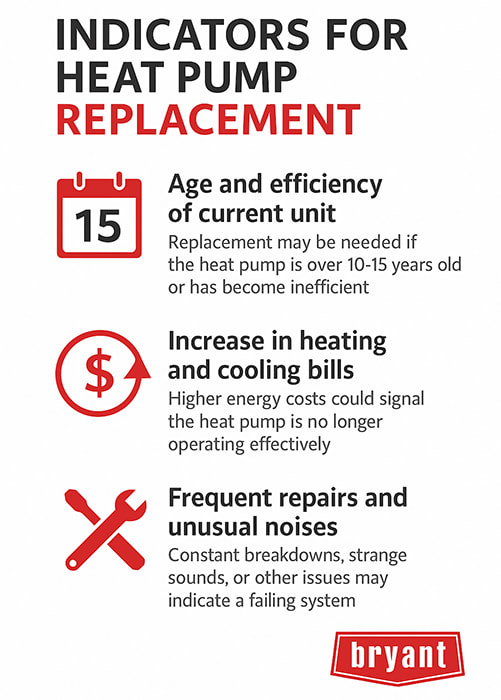
Bryant recommends considering heat pump replacement when your system is between 10 and 15 years old, particularly if it also requires frequent repairs, causes rising energy bills, or struggles to maintain consistent comfort. Age alone does not necessarily mean a system needs to be replaced, so consider its condition, repair history, efficiency, and expected remaining service life as well.
1. Age and Declining Efficiency
Heat pumps generally last between 10 to 15 years. As a unit approaches or surpasses this age range, its efficiency naturally declines—leading to higher energy consumption and weaker heating and cooling performance. As a unit approaches or surpasses this age range, its condition and operating performance should be evaluated to determine whether replacement makes sense.
“Units that are 13 to 15 years and above is really where you should start thinking about putting that money towards a new system,” Mike Lea, co-owner of Lea Heating & Air Conditioning in East Dundee, IL, said.
2. Rising Heating and Cooling Bills
A sudden or steady increase in your energy bills can be a sign that your heat pump is working harder to maintain your desired temperature. Uneven temperatures throughout your home and unexpected cost spikes may also indicate that your system needs professional evaluation. Bryant heat pumps are designed with efficiency-focused technologies, including variable-speed operation on select models, to help match system output to changing heating and cooling demands.
3. Frequent Repairs and Unusual Noises
If you find yourself constantly calling for heat pump repairs, or hearing grinding and rattling sounds from your unit, your system may have serious underlying issues—often a sign that complete failure is imminent. Bryant's repair-versus-replace guidance recommends considering replacement when a repair approaches 50% of the cost of a replacement, while also considering the system's age, condition, efficiency, and repair history.
Bryant's $5,000 Rule provides another planning guideline: multiply the system's age by the estimated repair cost. If the result exceeds $5,000, replacement may be worth considering. This is a guideline, not a definitive recommendation, and a qualified HVAC professional should evaluate the system before you make a decision.
How Much Does a Heat Pump Replacement Cost?
A typical heat pump replacement costs between $6,000 and $25,000. The final price depends on the unit's size and efficiency rating, your home's square footage, and the condition of your existing ductwork.
Factors Influencing Price
- Efficiency Ratings (SEER2 & HSPF2): Higher SEER2 and HSPF2 ratings generally indicate greater efficiency and can contribute to lower operating costs over the life of the system.. “The higher the number, the less electricity consumption that the units use, which translates to lower electricity bills,” Lea explains.
- Home Size & Ductwork: Larger homes may require larger-capacity units. A professional load calculation should account for factors such as insulation, windows, climate, and home size rather than relying on square footage alone. Pre-existing ductwork issues may also need to be addressed during installation. Learn more about heat pump size.
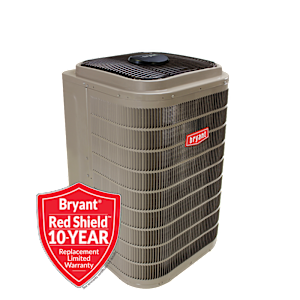
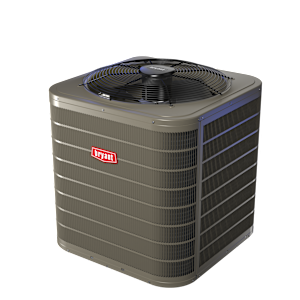
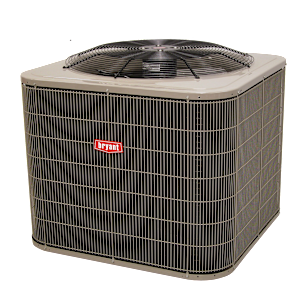
- Equipment Type and Features: Bryant offers heat pumps with different compressor configurations and efficiency levels. For example, the Legacy™ 235SAN is a single-stage model rated up to 16 SEER2 and 8.1 HSPF2, the Preferred™ 248TAN is a two-stage model rated up to 18.5 SEER2 and 8.5 HSPF2, and the Evolution™ 293VAN is a variable-speed model rated up to 20 SEER2 and 9.5 HSPF2. Actual performance varies by model size and configuration.
- Incentives: Financial incentives can meaningfully offset the initial cost of heat pump replacement. Ask your local dealer about available utility rebates, and flexible financing options.
“It’s important to look at what type of incentives and rebates are available for heat pump replacement,” Lea said.” “Look at what scenarios are out there when you factor in rebates, tax credits, financing, and promotions.”
Because installed pricing varies by home, location, equipment configuration, and installation requirements, Bryant's published $6,000–$25,000 range should be treated as a planning range rather than a price for a specific Bryant model. A local Bryant dealer can provide a project-specific estimate.
How Do I Choose the Best Heat Pump for My Home?
To choose the best heat pump for your home, select a system that matches your local climate and has been professionally sized for your home's heating and cooling requirements. Proper sizing is essential: an undersized unit may struggle to maintain the desired temperature, while an oversized unit can cycle more frequently than necessary. A qualified HVAC professional should perform a load calculation to determine the appropriate capacity.
Types of Heat Pumps Available
There are several types of heat pumps available:
- Air-Source Heat Pumps: The most common type, air source heat pumps extract heat from the outside air. Modern cold climate heat pumps can operate effectively even in very low temperatures.
- Ductless Mini-Split Heat Pumps: Ideal for homes without ductwork or for zoning individual rooms, ductless mini split heat pumps offer efficient heating and cooling for specific spaces.
- Geothermal Heat Pumps: Geothermal heat pumps use the stable temperature of the ground to provide highly efficient heating and cooling, offering significant environmental and cost-saving benefits.
- Air-to-Water Heat Pumps: Air-to-water heat pumps transfer heat from outdoor air into a water-based distribution system and can be used with radiant floors, radiators, or other hydronic systems.
A Bryant Factory Authorized Dealer can perform a load calculation to ensure your new heat pump is perfectly sized for your home. Learn more in our guides on two popular heat pump sizes: 2 ton heat pumps, 3 ton heat pumps, 4-ton heat pumps, and 5-ton heat pumps.
“When selecting a heat pump, the SEER2 and HSPF2 are very important in the fact that the higher the number, the less electricity consumption that the units use, which translates to translates to lower electricity bills,” Lea said.
| Feature | Air-Source Heat Pump | Geothermal Heat Pump | Air-to-Water Heat Pump | ||
| How It Works |
|
Transfers heat between your home and the ground through buried loops | Transfers heat from outdoor air to water for hydronic heating and, in some systems, domestic hot water | ||
| Installation Complexity | Low to moderate |
|
Moderate to high (requires hydronic distribution system) | ||
| Energy Efficiency |
|
Very high; ground temperatures remain relatively constant year-round | High; especially when paired with radiant floor heating or low-temperature hydronic systems | ||
| Ideal Climate | Mild to cold climates (depending on the model) | Nearly all climates | Mild to moderate climates with hydronic heating systems | ||
| Typical Lifespan | 10–15 years |
|
15–20 years | ||
| Best For |
|
Homeowners seeking maximum efficiency and long-term energy savings | Homes with radiant floor heating, hydronic baseboards, or integrated hot water systems | ||
| Cooling Capability | Yes | Yes | Many models offer cooling, but capabilities vary by system design
|
Why is Professional Heat Pump Installation Important?
Professional heat pump installation is critical because it ensures your system operates at peak efficiency, integrates correctly with your home's ductwork and controls, and validates your manufacturer's warranty.
Your local Bryant dealer can perform a load calculation, evaluate existing ductwork, verify equipment compatibility, and configure the system according to manufacturer requirements. Proper installation can also help the system achieve its rated performance and support warranty requirements.
Your dealer will also provide guidance on heat pump maintenance— such as changing filters and clearing outdoor debris—to keep your system running optimally.
Begin Your Heat Pump Replacement
Ready to invest in comfort and efficiency with a heat pump replacement? Start by scheduling a consultation with your local Bryant dealer. A Bryant dealer can evaluate your existing system, review replacement options, provide a project-specific estimate, and guide you through the selection and installation process.
They will assess your needs, explain the full range of heat pump benefits and guide you through the selection and installation process—ensuring you get the right system, installed right, the first time.
Compare Bryant Heat Pumps
Choose a Bryant heat pump for reliable, energy-efficient heating and cooling all year round. Known for their durability and advanced technology, Bryant heat pumps offer superior comfort while lowering energy costs. With quiet operation and smart features like variable-speed motors, Bryant heat pump systems ensure optimal temperature control. Backed by industry-leading warranties and professional installation from your local Bryant dealer, a Bryant heat pump is a long-term investment in comfort, efficiency, and peace of mind for your home.
FAQs on Heat Pump Replacement
Replacing a heat pump typically costs between $6,000 and $25,000, depending on the system size, efficiency rating, brand, and installation requirements. Learn more in our heat pump cost guide.
Yes, a 20-year-old heat pump is likely past its optimal lifespan, and replacing it can help improve energy efficiency, comfort, and reduce the risk of costly repairs.
Most heat pumps need to be replaced every 12 to 15 years, though well-maintained systems may last closer to 20 years.
Yes, but it’s vital to ensure the indoor coil and controls are compatible with the new outdoor unit.
Not always—though pairing compatible components can improve efficiency and performance.
Yes, replacing an outdated system can often be worth the investment as it boosts energy efficiency, lowers monthly energy bills, and enhances indoor air quality and comfort, making it a sound financial investment for homeowners.
In extremely cold climates, a dual fuel system (heat pump paired with a furnace) may be beneficial. However, modern cold-climate heat pumps are efficient enough to handle freezing temperatures on their own in many regions.
With proper maintenance, a modern heat pump typically lasts 15 to 20 years. Regular service appointments and timely filter changes are key to reaching this lifespan.
It is generally not recommended to replace only the outdoor unit. Mismatched indoor and outdoor coils can lead to reduced efficiency, increased wear on the compressor, and may void the manufacturer's warranty.
Most heat pump replacements can be completed in one day, although more complex installations or ductwork modifications may require two or more days.
Many high-efficiency heat pumps qualify for rebates may be available through state programs or local utilities. Incentives vary by location and equipment efficiency.
About The Expert Reviewer: Michelle Notaro is a Product Manager for Residential Air Conditioners at Bryant, helping guide the direction of residential cooling products. She considers changing homeowner priorities, emerging market developments, and regulatory requirements to support air conditioning solutions that address today's comfort and efficiency expectations.
Learn More About Heat Pumps
- Discover what is a heat pump
- Discover the differences between a heat pump vs furnace
- Understand what is an electric heat pump
- Discover what is auxiliary heat
- Read up on dual fuel heat pumps
- How do I know if I have a heat pump?


