About The Author: Travis Baugh is a Digital Brand Marketing Manager for Bryant, where he creates clear, helpful content to guide homeowners through heating, cooling, and indoor air quality decisions. His goal is to empower readers with the knowledge they need to choose the right comfort solutions for their home—confidently and comfortably.
Cold Climate Heat Pumps: Efficient Heating Solutions For Cold Weather
By Travis Baugh | Expert Review By Michelle Notaro - Product Manager, Heat Pumps
A cold climate heat pump is a high-efficiency HVAC system engineered to extract heat from outdoor air even when temperatures drop well below freezing. Using advanced variable-speed compressors, these systems deliver reliable warmth in sub-zero conditions—without the carbon footprint of fossil fuels. For homeowners in northern regions, cold climate heat pumps represent a proven, energy-smart alternative to traditional heating systems.
Bryant Cold Climate Heat Pump at a Glance
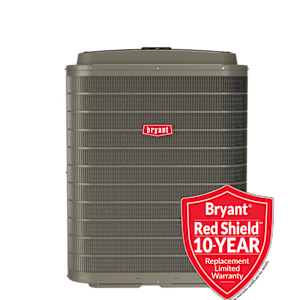
Bryant's Evolution Extreme Cold Climate Heat Pump (291VAN) is designed to maintain 100% heating capacity down to 0°F and offers up to 21.2 SEER2, 13.5 EER2 and 12.5 HSPF2 efficiency. The system uses true variable-speed operation and has a listed sound level as low as 54 dB during its lowest-capacity cooling operating condition. Bryant also offers a 10-year parts limited warranty upon timely registration and a 10-year Red Shield unit-replacement warranty for compressor failure, subject to warranty terms and conditions.
How Do Cold Climate Heat Pumps Work?
Cold climate heat pumps extract thermal energy from outdoor air, even in freezing temperatures, and transfer it indoors. Advanced variable-speed compressors and enhanced defrost cycles allow these systems to maintain efficient operation well below 0°F, unlike standard heat pumps that lose capacity as temperatures fall.
While standard heat pumps can lose efficiency as the mercury drops, cold climate heat pumps are specifically engineered to perform in extreme weather. The key lies in two advanced components:
- Variable-Speed Compressors: Rather than simply switching on and off, these compressors adjust their speed to match heating demand precisely, ensuring consistent warmth and eliminating temperature fluctuations. Bryant's 291VAN uses a true variable-speed compressor with a capacity range of 30–100% in 1% increments Learn more about variable-speed heat pumps.
- Enhanced Defrost Cycles: Bryant's 291VAN uses an advanced defrost system designed to run only when needed and stop when the outdoor coil is free of frost.
“Years ago, heat pumps were kind of a taboo topic here in cold climates because they barely provided any heat below like 40 degrees outside,” Mike Lea, co-owner of Lea Heating & Air Conditioning in East Dundee, IL said. “And with these new cold climate type heat pumps, they have high capacity, heating at 0 degrees or below outside, so they've entered the conversation quite a bit more now as a feasible source to heat your home.”
What Are the Key Benefits of Cold Weather Heat Pumps?
Cold climate heat pumps offer year-round comfort, efficient electric heating, and a reduced carbon footprint—all in a single system. Homeowners in northern regions are increasingly making the switch for reasons that go well beyond basic temperature control. The benefits go beyond just warmth.
- Superior Energy Efficiency: By moving heat rather than generating it, cold climate heat pumps can significantly lower energy bills compared to electric resistance heating or propane—efficiency that helps pay for itself over time.
- Consistent Comfort: Variable-speed technology eliminates the "cold blow" of older heating systems, maintaining an even, comfortable temperature throughout the home.
- Lower Carbon Footprint: Because the 291VAN uses electricity for heating, it does not directly burn natural gas, propane or oil to produce heat. The overall emissions associated with operation depend on the electricity source.
- Dual-Purpose Functionality: In summer, the system's refrigeration cycle reverses to deliver high-efficiency air conditioning—making it a complete, year-round climate solution. The Bryant 291VAN offers up to 21.2 SEER2 cooling efficiency.
Cold climate heat pumps are better suited for homeowners in northern or northern-transitional climates who want a fossil-fuel-free heating option, while standard heat pumps work best in milder regions where temperatures rarely dip below freezing.
Bryant's Cold Weather Heat Pumps
Bryant's cold weather heat pump - the 291VAN - is built with advanced technology for reliable, efficient performance in harsh winter conditions. It combines variable-speed operation, quiet operation and connected-system capabilities.
Key Features of the 291VAN
- True Variable-Speed Operation: Delivers longer, lower-speed cycles for superior humidity control and ultra-quiet performance—ideal for homes that prioritize comfort without noise.
- Quiet Mode: Allows homeowners to limit the unit's sound level from the wall control, helping reduce sound during periods such as nighttime or outdoor entertaining.
- Smart Home Compatibility: Seamlessly integrates with the Bryant Smart Home App, giving homeowners full climate control from anywhere, at any time. Can integrate with the Evolution™ Connex™ System Control, which provides system monitoring, notifications and connected controls.
Do I Live In An Area Where A Cold Climate Heat Pump Makes Sense?
A cold climate heat pump can be a good option for homeowners in regions with freezing winters who want efficient electric heating without relying solely on a gas furnace or backup heat source. Unlike older heat pumps, modern cold-climate models such as Bryant's 291VAN are designed to maintain heating capacity at lower outdoor temperatures, with the 291VAN maintaining 100% heating capacity down to 0°F.
A cold climate heat pump may make sense for your home if you:
- Live in a northern or colder region where winter temperatures regularly fall below 40°F and occasionally reach freezing or below.
- Want to replace an aging furnace or electric heating system with an electric heat pump designed for cold-weather operation.
- Have high heating costs, especially if you currently use electric resistance heat, oil, or propane.
- Prefer an all-electric HVAC solution that provides both heating and cooling from one system.
- Are interested in reducing carbon emissions by using electricity instead of burning fossil fuels.
Cold climate heat pumps are especially well suited for areas such as the Northeast, Midwest, and northern mountain states, where traditional heat pumps may have struggled in the past. However, homeowners in extremely cold regions should consider a system specifically designed for low temperatures and may benefit from a dual fuel system that combines a heat pump with a gas furnace for additional backup capacity.
Before choosing a cold climate heat pump, consider your home's insulation, ductwork, electricity rates, current heating system, and local weather patterns. A professional HVAC contractor can perform a load calculation and recommend whether a standard heat pump, cold climate heat pump, or dual fuel system is the best fit for your home.
How to Choose the Right Cold Climate Heat Pump
Choosing the right cold climate heat pump depends on your home's insulation, size, and local climate. Professional sizing and installation are critical to ensuring the system performs efficiently and cost-effectively over the lifespan of the heat pump.
When evaluating options, consider these key factors:
- Home Insulation: A well-insulated home retains heat more effectively, allowing the heat pump to operate at peak efficiency. Insulation upgrades can amplify the system's long-term savings.
- Proper Sizing: A properly sized heat pump should be selected based on the home's heating and cooling loads rather than a generalized tonnage recommendation. (See our guides on 2 ton heat pumps, 3 ton heat pumps, 4-ton heat pumps, and 5 ton heat pumps).
- Professional Installation: Working with a Bryant Factory Authorized Dealer ensures your system is installed to meet the specific demands of your local climate.
Do Cold Climate Heat Pumps Work in Sub-Zero Temperatures?
Yes. Bryant's 291VAN cold climate heat pump is designed to maintain 100% heating capacity down to 0°F. This is different from older heat pump technology that could experience substantially reduced heating capacity as outdoor temperatures dropped.
A common misconception is that heat pumps stop working once temperatures drop below freezing. There is no single outdoor temperature at which every heat pump requires auxiliary heat. Bryant notes that the temperature at which auxiliary heat is needed depends on the heat pump's capacity, the home's heating load, system sizing and controls. For additional peace of mind during record-breaking cold spells, auxiliary heating systems can be added. Bryant's Hybrid Heat® configurations can combine a heat pump with a gas furnace to provide another heating source when needed.
Connect With A Bryant Dealer On Cold Climate Heat Pumps
Ready to upgrade your home's heating system? Bryant dealers offer expert guidance on heat pump installation designed for energy-efficient heating in harsh winter conditions. With professional support, you’ll get the best heat pump recommendation based on your home's heating load, climate, equipment compatibility and comfort needs. Schedule an appointment with your local Bryant dealer today to get the heat pump replacement process started.
Explore The Bryant Cold Climate Heat Pump
Choose the Bryant cold climate heat pump for reliable, energy-efficient heating and cooling all year round. Known for its durability and advanced technology, the Bryant cold climate heat pump offers superior comfort while helping lower heating and cooling costs. With quiet operation and smart features like variable-speed motors, the Bryant cold climate heat pump ensures optimal temperature control. Backed by industry-leading warranties and professional installation from your local Bryant dealer, a Bryant cold climate heat pump is a long-term investment in comfort, efficiency, and peace of mind for your home.
Cold Climate Heat Pump FAQs
Cold climate heat pumps use advanced compressors to extract heat from the outdoor air even in freezing temperatures, often operating efficiently down to -5°F or lower.
They offer year-round comfort, help reduce heating costs, eliminate the need for fossil fuels, and may qualify for incentives or tax credits.
Yes, cold climate heat pumps are specifically designed to efficiently heat homes in freezing temperatures without relying heavily on backup heat sources like auxiliary heat.
Cold climate heat pumps maintain high efficiency even in winter, often outperforming electric resistance heating or low efficiency furnaces in terms of energy savings and performance.
Typically 10 to 15 years, with proper maintenance and installation.
Cold climate models can operate efficiently down to 0°F or lower, depending on the model.
Regular filter cleaning and annual professional service help ensure reliable operation year-round.
Yes, cold climate heat pumps can be worth it as they offer efficient heating in cold regions while reducing reliance on fossil fuels.
Units tested and certified to maintain efficiency and capacity at low outdoor temperatures under DOE or ENERGY STAR® cold-climate standards.
Many cold climate heat pumps meet efficiency thresholds that qualify for state or local utility rebates. Eligibility varies by location and model. Consult a Bryant dealer for guidance specific to your situation.
A standard heat pump loses heating capacity below approximately 40°F, while a cold climate heat pump uses advanced compressor technology to maintain strong output down to -5°F or lower. Cold climate models are better suited for northern regions with prolonged freezing temperatures.
A cold climate heat pump may have lower operating costs than a gas furnace in some areas, but the total cost depends on local electricity and natural gas rates, climate, and equipment efficiency. Heat pumps typically have higher upfront installation costs but can provide both heating and cooling in one system, while gas furnaces often have lower purchase costs and can provide reliable heat in very cold temperatures. A homeowner’s best option depends on energy prices, home design, and heating needs.
About The Expert Reviewer: Michelle Notaro is a Product Manager for Residential Air Conditioners at Bryant, helping guide the direction of residential cooling products. She considers changing homeowner priorities, emerging market developments, and regulatory requirements to support air conditioning solutions that address today's comfort and efficiency expectations.
Learn More About Heat Pumps
- Discover what is a heat pump
- Explore heat pump repair
- Read our guide to heat pump cost
- Learn what is an air source heat pump
- Learn about heat pump maintenance
- Read up on dual fuel heat pumps


