What Is a Furnace Flame Sensor?
A furnace flame sensor is a small but critical safety component that verifies a flame is present when your furnace fires. If the sensor cannot detect a flame, it shuts the furnace down to prevent unburned gas from accumulating in your home. When a flame sensor fails or becomes dirty, your furnace may short-cycle, fail to start, or display an error code.
Understanding how your furnace flame sensor works can help you identify problems early, communicate clearly with a technician, and keep your home warm all winter.
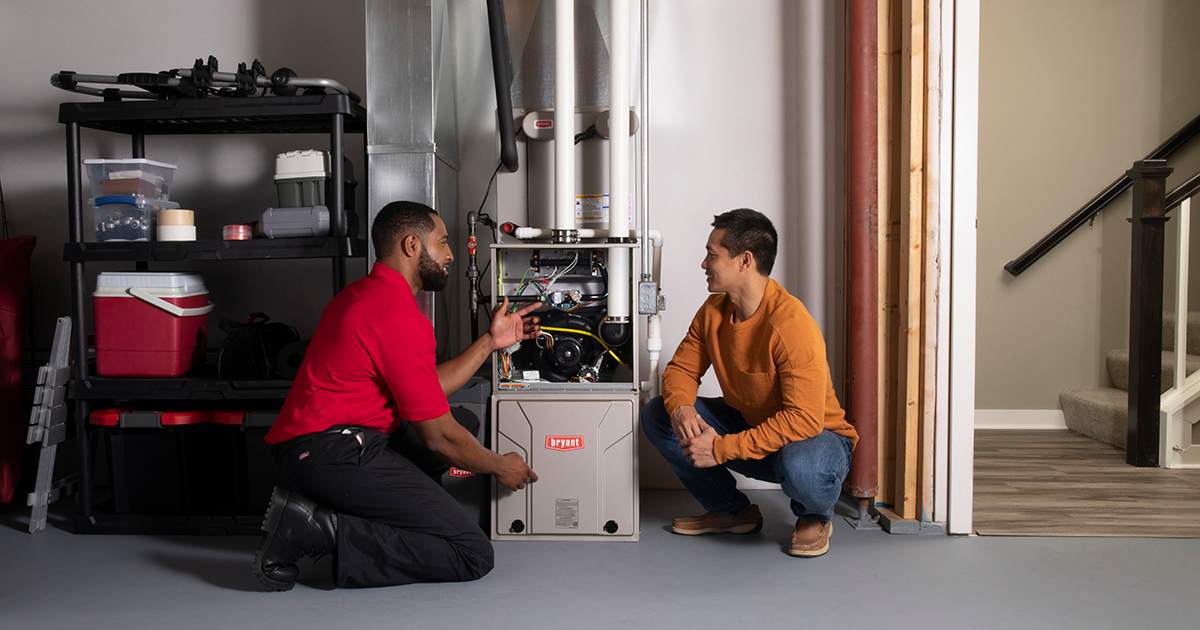
How Does a Furnace Flame Sensor Work?
A furnace flame sensor works by passing a small electrical current through a metal rod positioned in the burner flame. When a flame is present, it conducts that current back to the control board, confirming safe ignition. If no current is detected within a few seconds of the gas valve opening, the control board shuts the system down as a safety precaution.
This process happens automatically every time your furnace starts a heating cycle. A functioning flame sensor is essential to safe, reliable furnace operation. Learn more about how a furnace works.
Common Signs of a Faulty Furnace Flame Sensor
A failing flame sensor typically produces one or more of the following symptoms:
- Furnace short-cycling: The furnace starts, runs briefly, then shuts off before reaching the set temperature
- No heat despite normal startup sounds: You hear the igniter click and the burner light, but the system shuts down within seconds
- Repeated lockouts: The furnace attempts to start two or three times, then locks out entirely and requires a manual reset
- Yellow or orange error light on the control board: Many furnaces display a fault code when the flame sensor is the source of the issue
- Visible residue on the sensor rod: A coating of oxidation or carbon buildup on the metal rod can interrupt the electrical signal
If your furnace is exhibiting any of these signs, a Bryant Factory Authorized Dealer can diagnose the issue quickly and accurately.
What Causes a Furnace Flame Sensor to Fail?
Flame sensors most commonly fail due to:
- Oxidation buildup: Over time, a thin layer of oxidation forms on the sensor rod, reducing its ability to conduct the flame signal
- Carbon deposits: Incomplete combustion can leave residue on the rod that interferes with current flow
- Age and wear: Like all components, flame sensors degrade over years of regular use
- Improper airflow: Dirty air filters or blocked vents can alter combustion quality and accelerate sensor degradation
Routine annual maintenance is the most effective way to prevent flame sensor failures before they leave you without heat.
Can I Clean or Replace a Furnace Flame Sensor Myself?
A dirty flame sensor can sometimes be cleaned by a qualified technician using fine steel wool or emery cloth to remove oxidation from the metal rod. However, Bryant recommends that all furnace repairs and maintenance be performed by a licensed HVAC professional for several reasons:
- Furnaces involve both natural gas and high-voltage electrical components
- Incorrect handling of the flame sensor or wiring can create safety hazards
- A Bryant Factory Authorized Dealer can confirm whether cleaning is sufficient or whether full replacement is needed
- Professional furnace service protects the validity of your Bryant equipment warranty
Find a Bryant dealer near you to schedule a flame sensor inspection or furnace tune-up.

How Often Should a Furnace Flame Sensor Be Inspected?
A furnace flame sensor should be inspected at least once per year, ideally before the start of the heating season. Annual preventive furnace maintenance performed by a Bryant Factory Authorized Dealer typically includes:
- Inspecting and cleaning the flame sensor rod
- Checking ignition components and burner operation
- Testing safety controls and limit switches
- Replacing the air filter if needed. Learn how often to replace air filters and how to change air filters.
- Verifying overall system performance and efficiency
Regular HVAC maintenance not only extends the life of your flame sensor but also supports peak furnace efficiency, lower energy bills, and consistent home comfort.
Bryant Gas Furnaces: Built for Reliability
Bryant gas furnaces are engineered with high-quality components, including durable flame sensors and advanced control boards, to deliver dependable heating season after season. Bryant's Evolution™ System furnaces offer advanced diagnostics that can help identify flame sensor issues and other faults before they become major problems.
Explore Bryant's full lineup of gas furnaces to find a model that fits your home, climate, and budget.
Schedule a Furnace Inspection with a Bryant Dealer
If your furnace is short-cycling, failing to heat, or displaying a fault code, a failing flame sensor may be the cause. A Bryant Factory Authorized Dealer has the training, tools, and genuine parts to diagnose and fix the issue correctly the first time.
Connect with a local Bryant dealer to schedule a furnace inspection or annual maintenance visit today.
About The Author: Travis Baugh is a Digital Brand Marketing Manager for Bryant, where he creates clear, helpful content to guide homeowners through heating, cooling, and indoor air quality decisions. His goal is to empower readers with the knowledge they need to choose the right comfort solutions for their home—confidently and comfortably.


