About The Author: Travis Baugh is a Digital Brand Marketing Manager for Bryant, where he creates clear, helpful content to guide homeowners through heating, cooling, and indoor air quality decisions. His goal is to empower readers with the knowledge they need to choose the right comfort solutions for their home—confidently and comfortably.
What is a Furnace Limit Switch?
A furnace limit switch is a vital safety and operational component that monitors the internal temperature of a heating system. It automatically shuts off the furnace burners if the internal temperature exceeds a safe threshold, while also signaling the blower motor to circulate warm air throughout the home.
Understanding how the furnace limit switch operates is essential for maintaining a comfortable home. This component acts as the brain of your heating system's thermal regulation, ensuring that every cycle delivers optimal comfort without compromising safety.
How Does a Furnace Limit Switch Work?
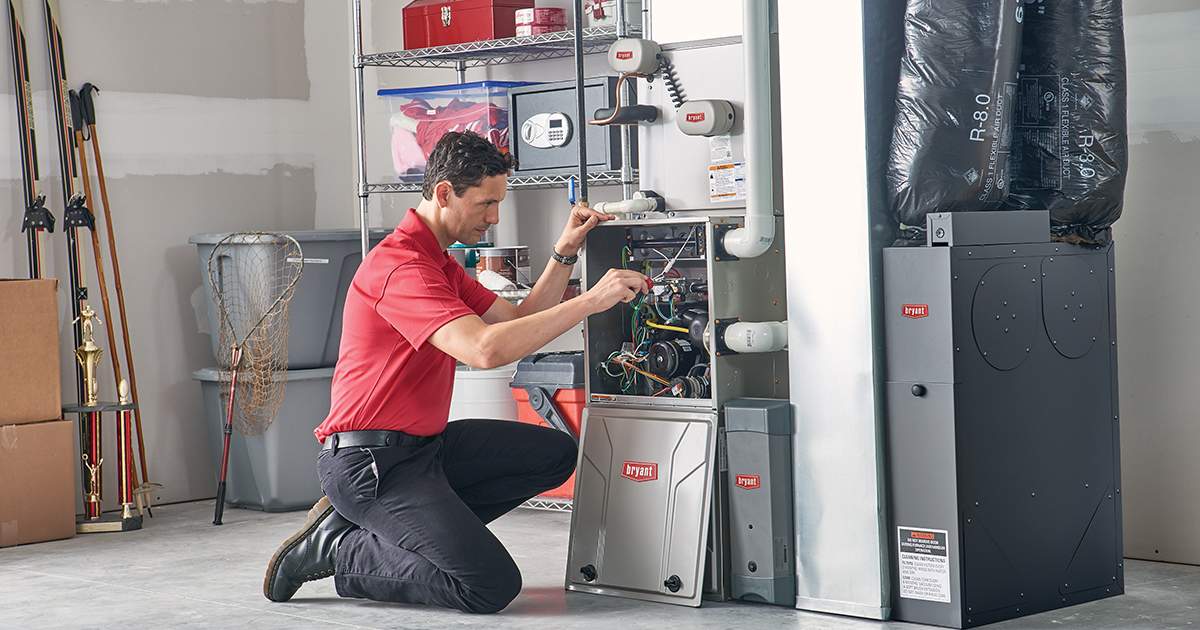
The furnace limit switch works by using a temperature-sensitive bimetallic probe extended into the heat exchanger to measure the ambient heat. When the furnace ignites and reaches a specific temperature, the limit switch closes a circuit to turn on the blower motor. If the temperature rises too high, the switch opens the circuit to cut power to the gas valve, shutting down the burners instantly.
This intelligent mechanism ensures two primary functions: circulating warm air efficiently and preventing catastrophic overheating. When the thermostat calls for heat, the burners ignite, and the heat exchanger begins to warm up. The bimetallic element inside the furnace limit switch reacts to this thermal change. Once the predetermined lower temperature limit is reached, the blower motor activates, pushing healthy, warm air through the ductwork.
Conversely, if an airflow restriction—such as a dirty air filter or a blocked vent—causes the heat exchanger to exceed safe operating temperatures, the switch serves as the ultimate fail-safe. By cutting the gas supply, it protects the furnace from cracking, thereby preventing carbon monoxide leaks and safeguarding the people inside.
Why is the Furnace Limit Switch Important for Home Health?
A functioning furnace limit switch is critical for home health because it prevents dangerous overheating scenarios that can compromise indoor air quality and structural safety.
When a furnace overheats, the metal of the heat exchanger undergoes extreme stress. Over time, this stress can cause micro-fractures or complete cracks in the metal casing. A cracked heat exchanger allows combustion gases, including deadly carbon monoxide, to mix with the air being distributed throughout your home.
By accurately monitoring temperatures and stopping the heating cycle before damage occurs, the furnace limit switch preserves the integrity of the heat exchanger. Furthermore, this precision control optimizes home for energy efficiency. The switch ensures that the blower motor only operates when there is sufficient heat to distribute, preventing cold air drafts and reducing unnecessary electrical consumption.
What Are the Signs of a Faulty Furnace Limit Switch?
A faulty furnace limit switch typically reveals itself through erratic blower behavior, failure to heat the home, or continuous short cycling. Recognizing these symptoms early allows homeowners to restore energy efficiency and maintain a healthy, safe home environment.
Constant Blower Operation
If the furnace blower runs continuously without ever shutting off, the limit switch may be stuck in the closed position. The switch is designed to turn the blower off once the heat exchanger cools down after a heating cycle. When the bimetallic probe fails to reset, the system assumes the furnace is still hot, forcing the blower to run indefinitely. This not only causes uncomfortable drafts but also significantly increases energy bills and wears out the blower motor prematurely.
Furnace Short Cycling
Furnace short cycling occurs when the heating system turns on and off rapidly before reaching the desired thermostat temperature. A malfunctioning furnace limit switch may become overly sensitive, tripping and shutting down the burners even when the internal temperature is within a safe range. Short cycling places immense wear and tear on ignition components and gas valves, drastically reducing the overall lifespan of the system while leaving the home uncomfortably cold.
Furnace Will Not Ignite
When a furnace refuses to ignite entirely, an open limit switch may be preventing voltage from reaching the gas valve. If the switch has tripped multiple times due to repeated overheating, it may eventually lock out or permanently fail in the open position. In this scenario, the control board receives a constant signal that the furnace is overheating, thereby blocking any attempt to start a new heating cycle.
How to Test a Furnace Limit Switch
Bryant always recommends that comprehensive testing and part replacements be conducted by licensed HVAC professionals to maintain system safety and warranty compliance. Your local HVAC professional will test your furnace limit switch using a digital multimeter to check for electrical continuity across the switch terminals while the furnace is at room temperature. A healthy limit switch should show a closed circuit (continuity) when cool and open the circuit (no continuity) only when exposed to excessive heat.
To perform a safe and accurate test, the HVAC contractor will follow these essential steps:
- Turn off the power: Always disconnect the main electrical power to the furnace at the breaker panel to ensure safety.
- Locate the switch: Remove the front access panel. The furnace limit switch is typically mounted on the partition wall above the burners, with a probe extending into the heat exchanger.
- Remove the wires: Gently pull the electrical spade connectors off the switch terminals. Take a photo beforehand to ensure correct rewiring.
- Test for continuity: Set a digital multimeter to the ohms (Ω) or continuity setting. Place one probe on each terminal of the switch. At room temperature, the multimeter should read zero or near-zero ohms, or emit a beep, indicating a closed circuit.
- Interpret the results: If the multimeter reads "OL" (Open Line) or infinity at room temperature, the switch has failed in the open position and must be replaced.
When to Replace a Bryant Furnace Limit Switch
A Bryant furnace limit switch should be replaced immediately if it fails a continuity test, shows physical signs of heat damage, or repeatedly trips despite proper system airflow. Replacing a compromised switch is an investment in the long-term sustainability and safety of your heating infrastructure.
Before condemning the switch, it is vital to eliminate other potential causes of overheating. The limit switch is designed to trip when there is an airflow restriction. Therefore, always check for a clogged air filter, blocked return vents, or a dirty evaporator coil. If the airflow is optimal and the switch continues to trip or cause short cycling, the internal bimetallic sensor has likely lost its calibration.
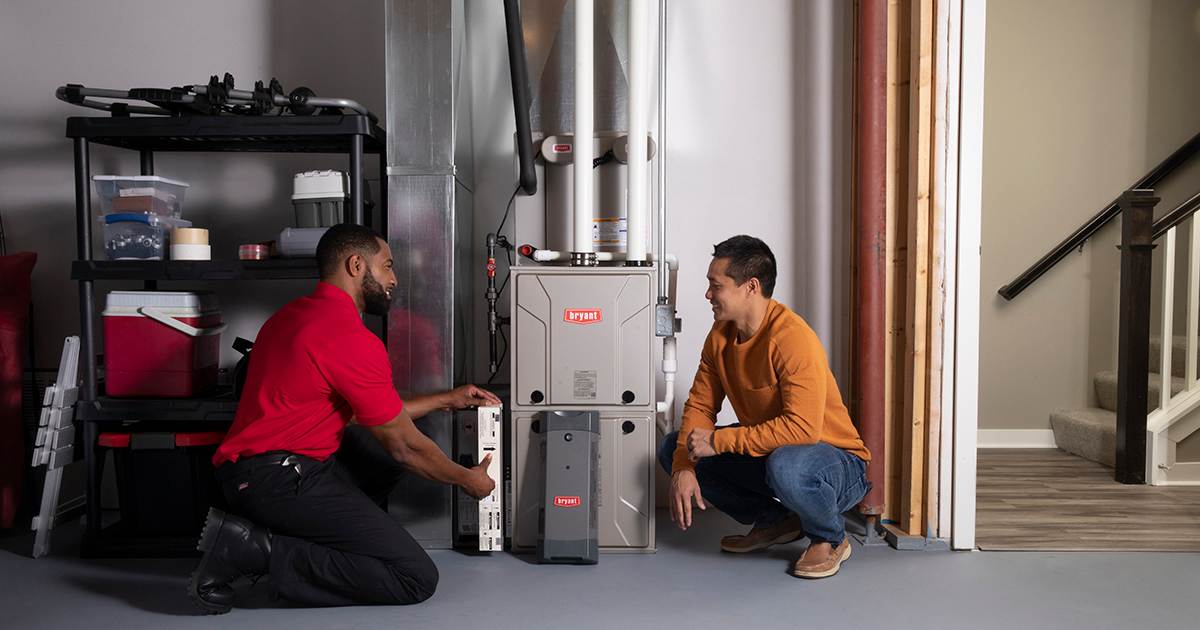
Always work with your local Bryant dealer for your furnace repair needs to ensure your system is serviced by trained professionals using approved diagnostic and repair procedures.
Furnace Limit Switch FAQs
The cost to replace a furnace limit switch typically ranges from $150 to $4001, including parts and professional labor. The part itself is relatively inexpensive, but hiring a licensed HVAC technician ensures safe installation and proper diagnosis of the root cause.
1https://homeguide.com/costs/furnace-limit-switch-replacement-cost
No, you must never bypass a furnace limit switch. Bypassing this critical safety component removes the only mechanism preventing the heat exchanger from overheating, which can lead to catastrophic fire hazards, cracked metal, and lethal carbon monoxide leaks.
A furnace limit switch does not have a set replacement schedule and can last the lifetime of the furnace (15 to 20 years). However, poor furnace maintenance, such as consistently running the system with dirty air filters, causes repeated overheating that will wear out the switch prematurely.
Common signs of a bad furnace limit switch include the blower fan running constantly, the furnace shutting down unexpectedly, short cycling, or the burners failing to stay on. In some cases, your furnace may stop producing heat altogether to prevent overheating.
Some furnace limit switches reset automatically once the system cools down, while others have a manual reset button. To reset a manual limit switch, turn off power to the furnace, locate the switch, and press the reset button if equipped. If the switch continues tripping, the furnace should be inspected by an HVAC professional.
A furnace may not run properly if the limit switch is bad. The system could shut down completely, prevent the burners from igniting, or keep the blower fan running continuously as a safety precaution. A faulty limit switch should be diagnosed and replaced promptly to avoid further furnace issues.


