About The Author: Travis Baugh is a Digital Brand Marketing Manager for Bryant, where he creates clear, helpful content to guide homeowners through heating, cooling, and indoor air quality decisions. His goal is to empower readers with the knowledge they need to choose the right comfort solutions for their home—confidently and comfortably.
Your Guide To Furnace Ignitors
A furnace ignitor is a critical electronic component in modern heating systems that replaces the traditional standing pilot light to ignite the gas and create heat. For homeowners seeking long-term comfort and efficiency, understanding how this small but vital part functions is the key to maintaining a warm, energy-efficient, and reliable home environment.
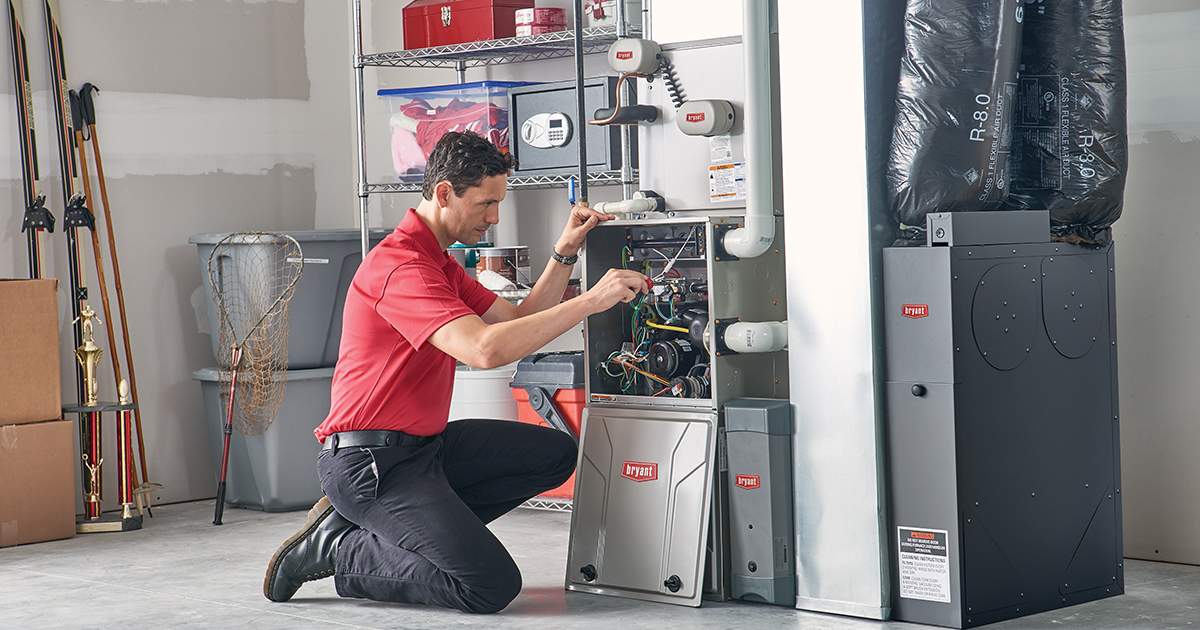
When you invest in a heating system, you are investing in advanced technology designed to optimize your home's climate. The furnace ignitor acts as the catalyst for this process. Instead of burning gas continuously like outdated pilot lights—which wastes energy and drives up seasonal heating bills—an electronic furnace ignitor only activates when your thermostat signals that the house needs heat. This on-demand functionality is a cornerstone of modern, eco-friendly HVAC solutions, ensuring that your system is as efficient as it is powerful.
Whether you are planning a major home renovation, booking a furnace replacement, or simply looking to reduce your energy bills, understanding the role of your furnace ignitor empowers you to make smarter decisions about your home health and comfort.
How Does A Furnace Ignitor Work?
A furnace ignitor works by receiving an electrical current from the furnace's control board, which causes the ignitor's material to heat up to extremely high temperatures until it glows red-hot. Once it reaches the optimal temperature, the gas valve opens, and the glowing ignitor ignites the gas, creating the flames needed to heat the air circulated throughout your home.
When your smart thermostat detects a drop in indoor temperature, it sends a signal to your furnace to initiate the heating cycle. The first major step in this cycle involves the draft inducer motor clearing the combustion chamber of any residual gases. Once safety sensors confirm the chamber is clear and safe, the control board sends voltage to the furnace ignitor.
Most modern heating systems use a Hot Surface Ignitor (HSI) made of durable materials like silicon carbide or silicon nitride. These materials are highly resistant to thermal shock and can reach ignition temperatures in a matter of seconds. As the gas flows across the glowing ignitor, combustion occurs seamlessly and quietly. This precision engineering not only guarantees a reliable start to your heating cycle but also contributes to the quiet operation that homeowners expect from premium HVAC systems.
Signs Your Furnace Ignitor Needs Replacement
The most common sign that your furnace ignitor needs replacement is a furnace that blows cold air, repeatedly clicks without starting, or suddenly stops running altogether. A visual furnace inspection may also reveal a crack or a white blister on the ignitor itself.
Even the most advanced heating systems require furnace repair. As a homeowner, recognizing the early warning signs of a failing furnace ignitor can save you from an unexpected breakdown during freezing temperatures. Look out for the following indicators:
- No Heat Production: If you hear the furnace turn on and the blower motor running, but only cold air comes out of your vents, the ignitor has likely failed to light the gas.
- Short Cycling: If the furnace turns on, runs for a few seconds, and immediately shuts off (referred to as short cycling), the flame sensor may be detecting that the ignitor failed to start combustion. This safety feature shuts down the system to prevent a dangerous gas buildup.
- Frequent Tripping of the Circuit Breaker: A damaged ignitor can sometimes cause an electrical short, which will repeatedly trip your home’s circuit breaker when the furnace attempts to start.
- Visible Damage: If you are comfortable removing the furnace access panel (while the power is off), you can inspect the ignitor. If you see a visible crack, a broken element, or a white, powdery blister on the surface, the component is burnt out and must be replaced.
How Long Does A Furnace Ignitor Last?
A standard furnace ignitor typically lasts between 7 and 10 years, depending on the frequency of use, the quality of the component, and how well the overall HVAC system is maintained. Advanced silicon nitride ignitors are designed to last significantly longer, often matching the lifespan of the furnace itself.
The longevity of your furnace ignitor is closely tied to the environmental conditions within your home and your routine furnace maintenance schedule. Dirt, dust, and pet dander can accumulate on the ignitor over time. Because the component reaches such high temperatures, any debris resting on it can cause it to burn out prematurely.
Regular professional HVAC maintenance— including gently cleaning the combustion chamber and replacing air filters—ensures superior air filtration and protects the ignitor from damaging buildup. By investing in annual furnace tune-ups, you protect your long-term investment and ensure your furnace continues to operate efficiently year after year.

Upgrading Your Furnace and Furnace Ignitor
When an old furnace ignitor fails repeatedly, it is often a sign that the entire unit is nearing the end of its life cycle. While the upfront cost of a new HVAC system is a valid consideration, the value over time can help make it a smart financial decision. A new Bryant heating system offers smart home integration, allowing you to monitor and control your climate from anywhere with the Bryant Smart Home App. This advanced technology not only optimizes your daily comfort but also provides detailed insights into your energy consumption, helping you drive down heating costs.
Furthermore, new systems are engineered for superior air filtration, meaning you and your family will breathe cleaner air. When evaluating your home renovation plans or responding to a sudden increase in energy bills, choosing an innovative, reliable Bryant system helps ensure you are investing in comfort that lasts. Contact your local Bryant dealer to find the best furnace and furnace ignitor for you.
Furnace Ignitor FAQs
No, a burnt-out furnace ignitor is a common and relatively inexpensive repair. However, if your furnace is over 15 years old and experiencing multiple part failures, upgrading to a new, highly efficient Bryant system may be a more cost-effective long-term investment.
If the furnace ignitor glows but no flames appear, the gas valve may not be opening, the ignitor may not be reaching a high enough temperature, or the flame sensor may be dirty and preventing the cycle from continuing. An expert inspection is required to pinpoint the exact issue.
While it is possible to purchase a replacement furnace ignitor, it is highly recommended to have a certified HVAC professional perform the installation. The ignitor is fragile, and improper installation can damage the component or compromise the safety of your gas heating system.
Yes, silicon nitride ignitors are significantly more durable and energy-efficient than older silicon carbide models. They are highly resistant to cracking from thermal shock and vibrations, making them the preferred choice for long-term reliability in furnaces.
If your furnace won’t start or you hear it click without the burners igniting, a faulty ignitor is a common cause. You may also notice the system blowing cold air or repeatedly trying to start without success.
Replacement typically costs $150 to $4001, including parts and labor, though prices can vary based on the system and service call fees.
A technician will test the ignitor using a multimeter to check for electrical continuity. If there’s no continuity or visible damage like cracks, the ignitor likely needs replacement.
Most furnace ignitors last around 3 to 7 years, depending on usage and system conditions.
Common signs include delayed ignition, no heat, frequent system cycling, visible cracks in the ignitor, or a furnace that tries to start but shuts down quickly.


