About The Author: Travis Baugh is a Digital Brand Marketing Manager for Bryant, where he creates clear, helpful content to guide homeowners through heating, cooling, and indoor air quality decisions. His goal is to empower readers with the knowledge they need to choose the right comfort solutions for their home—confidently and comfortably.
What is a Furnace Gas Valve and How Does It Work?
A furnace gas valve is an electromechanical device that controls the flow of natural gas or propane into the heating system's burner. By opening and closing in response to signals from the thermostat, the furnace gas valve ensures that the heating system operates safely, efficiently, and precisely when the home requires warmth.
The furnace gas valve represents the heart of a home’s heating infrastructure. When a home needs heat, the thermostat sends an electrical signal to the furnace control board, which verifies that all safety switches are closed. Once the safety checks clear, the control board sends voltage to the furnace gas valve. The furnace gas valve opens, allowing gas to flow into the burner assembly where the gas is ignited to create heat. Understanding this critical component empowers homeowners to optimize buildings for energy efficiency and maintain healthy, comfortable indoor environments.
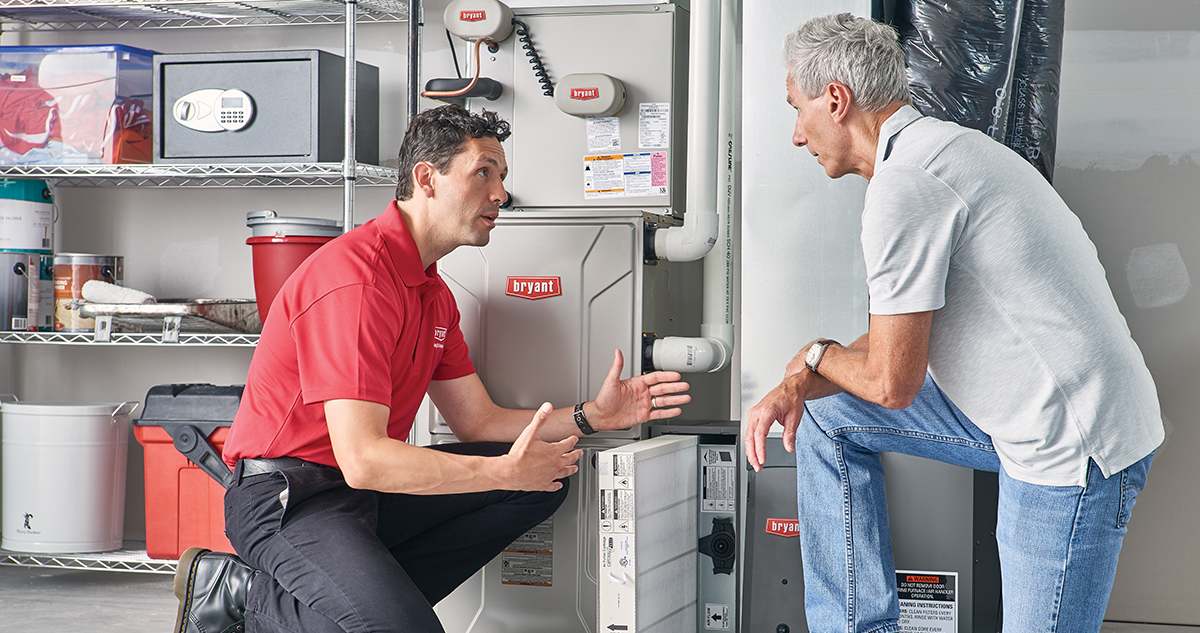
What is a Furnace Gas Valve?
A furnace gas valve is the central control mechanism that regulates the exact amount of combustible fuel entering a heating system. The furnace gas valve acts as the critical bridge between the main gas supply line and the furnace burners.
When functioning correctly, the furnace gas valve delivers continuous comfort and safety. The furnace gas valve contains internal solenoids—electromagnetic coils—that open or close internal diaphragms based on electrical signals.
According to heating industry benchmarks, modern furnace gas valves include built-in safety shutoffs that instantly halt the flow of gas if the system detects a loss of flame or an electrical fault. This design keeps people safe, comfortable, and in control of home health. By ensuring fuel only flows when ignition is guaranteed, the furnace gas valve protects the property while maximizing energy utilization.
How Does a Furnace Gas Valve Work?
A furnace gas valve works by receiving a low-voltage electrical signal (typically 24 volts) from the furnace control board, which energizes an internal solenoid to open the valve and release gas into the burners. Once the thermostat's temperature setpoint is reached, the electrical signal stops, the solenoid de-energizes, and a spring forces the valve securely closed.
The operational sequence relies on precision and reliability. The process begins when the thermostat detects a drop in indoor temperature. The thermostat signals the draft inducer motor to clear residual combustion gases from the heat exchanger. Next, the igniter warms up or sparks.
Only after these preparatory steps are verified does the furnace control board send power to the furnace gas valve.
The furnace gas valve then opens precisely to the calibrated pressure. If the flame sensor fails to detect a strong flame within seconds, the control board cuts power to the furnace gas valve, immediately stopping the gas flow to prevent dangerous accumulation.
Learn more about how a furnace works.
What Are the Different Types of Furnace Gas Valves?
Furnace gas valves come in three primary types: single-stage, two-stage, and modulating. Each type of furnace gas valve offers a different level of control over the gas flow, directly impacting the heating system's energy efficiency and overall indoor comfort.
Single-stage furnace gas valves are the most basic and operate on a simple on/off basis. When the thermostat calls for heat, a single-stage furnace gas valve opens fully, delivering 100% capacity until the home reaches the desired temperature. A single-stage furnace gas valve works best for smaller spaces or regions with mild winters.
Two-stage furnace gas valves offer an intermediate solution. A two-stage furnace gas valve operates at a lower capacity (usually around 60% to 65%) during mild weather, and opens to 100% capacity during extreme cold. A two-stage furnace gas valve is better suited for homes seeking a balance between upfront affordability and improved temperature consistency.
Modulating furnace gas valves represent the pinnacle of intelligent home solutions. A modulating furnace gas valve continuously adjusts the gas output in minute increments—often between 40% and 100% capacity. This constant adjustment allows the heating system to match the exact heating demand of the home at any given moment. Modulating furnace gas valves deliver unparalleled energy efficiency, eliminate temperature swings, and support sustainable, healthy home environments.
How Do You Know If a Furnace Gas Valve Is Bad?
You know a furnace gas valve is bad if the furnace fails to produce heat despite the igniter glowing, if you hear a clicking sound without ignition, or if you smell gas near the unit. A failing furnace gas valve will often prevent the burners from lighting or cause the burners to shut down prematurely.
Recognizing the symptoms of a bad furnace gas valve early prevents inconvenient breakdowns and ensures continuous home safety. Homeowners should look for the following signs:
- The furnace does not produce heat: The thermostat calls for heat, the inducer motor runs, and the igniter glows, but no flames appear. This indicates the furnace gas valve is not opening to release fuel.
- Inconsistent heating cycles: The furnace gas valve may open partially or close prematurely, leading to short-cycling and inadequate indoor comfort.
- Audible clicking noises: A continuous clicking sound often means the control board is attempting to send voltage to the furnace gas valve, but the valve's internal solenoids are failing to actuate.
- Gas odors: Any smell of natural gas or propane around the heating equipment suggests the furnace gas valve is leaking and failing to close completely.
- Error codes on the control board: Modern intelligent heating systems will flash specific LED diagnostic codes indicating a furnace gas valve failure or a gas supply issue.
If you’re experiencing any of these issues, it’s best to schedule furnace repair with your local Bryant dealer.
How Do You Test a Furnace Gas Valve?
Your local Bryant dealer will test a furnace gas valve during a furnace service appointment. They will use a digital multimeter to check for proper voltage (usually 24V) at the valve's terminals during a call for heat. If the furnace gas valve receives the correct voltage but fails to open, the internal solenoid is defective, and the furnace gas valve must be replaced.
Testing electrical components requires expertise and specialized tools to ensure precision and safety. A licensed heating technician will first verify that the thermostat is calling for heat and that all preceding safety switches—such as the limit switch and pressure switch—are closed. The technician then places the multimeter probes on the electrical terminals of the furnace gas valve.
If the multimeter reads 24 volts when the igniter is glowing, but no gas flows, the furnace gas valve has failed mechanically or electrically internally. If the multimeter reads zero volts, the issue lies upstream, potentially with the control board or a tripped safety sensor. Furthermore, technicians use a manometer to test the inlet and manifold gas pressures. Ensuring the furnace gas valve receives adequate gas pressure from the utility line is critical before condemning the valve itself.
Can You Repair a Furnace Gas Valve?
No, you cannot repair a furnace gas valve safely. A furnace gas valve is a sealed electromechanical component, and if internal furnace parts like the solenoids or diaphragms fail, the entire furnace gas valve must be replaced by a certified HVAC professional.
Attempting to disassemble or repair a furnace gas valve poses severe safety risks, including the potential for catastrophic gas leaks, fires, or explosions. Heating industry safety standards dictate that a faulty furnace gas valve must be discarded and replaced with a brand-new, exact-match OEM (Original Equipment Manufacturer) component. By replacing rather than repairing, homeowners inspire confidence in everyday life, knowing their heating infrastructure operates securely and flawlessly.
How Much Does a Furnace Gas Valve Replacement Cost?
Replacing a furnace gas valve typically costs between $300 and $7501, including both the part and professional labor. The exact price varies based on the brand of the heating system, the complexity of the furnace gas valve, and local labor rates.
Investing in a proper replacement restores optimal performance and protects the home. The furnace gas valve itself generally costs between $90 and $275, depending on whether it is a single-stage, two-stage, or high-efficiency modulating valve. Professional labor usually accounts for the remaining price. Because working with gas lines requires specialized licensing, specialized sealants, and thorough leak testing, hiring a professional ensures the solution matters for people and the property.
Schedule furnace gas valve repair with your local Bryant dealer today to ensure the issue is diagnosed and repaired safely by a trained HVAC professional.
1https://todayshomeowner.com/hvac/cost/furnace-gas-valve-cost/
Furnace Gas Valve FAQs
Replacing a failing furnace gas valve restores the heating system to its factory-rated energy efficiency. Upgrading the entire system to include a modulating furnace gas valve dramatically reduces ongoing energy consumption.
No, you must use a furnace gas valve that meets the specific flow rate, pressure calibration, and electrical specifications of your exact heating system model. Using an incompatible valve compromises system safety and efficiency.
Yes, if a flame sensor is covered in carbon or soot, it will fail to detect a flame. The control board will immediately shut off power to the furnace gas valve as a critical safety measure.
A furnace gas valve typically lasts between 10 and 15 years, closely mirroring the average lifespan of the heating system itself. Regular furnace maintenance and clean operating environments help maximize its reliability.
A clicking furnace gas valve usually means the internal solenoid is trying to open but is mechanically stuck, or the igniter is attempting to spark but no gas is flowing. The furnace gas valve likely needs professional replacement.


