About The Author: Travis Baugh is a Digital Brand Marketing Manager for Bryant, where he creates clear, helpful content to guide homeowners through heating, cooling, and indoor air quality decisions. His goal is to empower readers with the knowledge they need to choose the right comfort solutions for their home—confidently and comfortably.
What is a 3-Ton AC Unit? Capacity, Cost, and Efficiency Guide
A 3-ton AC unit is a residential air conditioner engineered to remove 36,000 BTUs of heat per hour — making it a common choice for cooling medium-to-large homes. For homeowners evaluating a new system, understanding what "3-ton" actually means, how much it costs, and whether it fits your home's needs are the essential first steps toward a confident, long-term investment.
Whether you are planning a major renovation or replacing an HVAC system, this guide covers everything you need to know: capacity, costs, efficiency ratings, and Bryant technologies available in 3-ton air conditioning systems.
What Does a "3-Ton" AC Unit Mean?
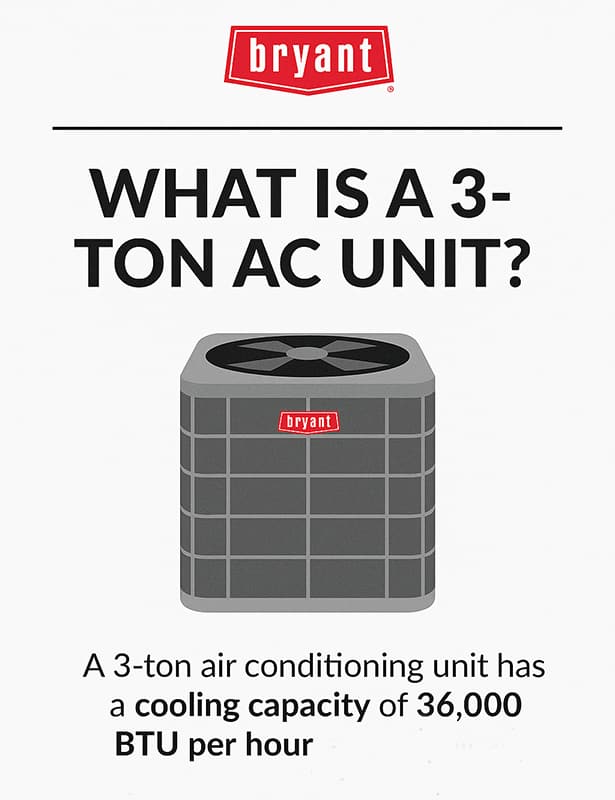
A 3-ton AC unit refers to a cooling capacity of 36,000 British Thermal Units (BTUs) per hour — three times the output of a 1-ton system, which equals 12,000 BTUs per hour
In HVAC terms, "tonnage" is a measure of heat removal, not equipment weight. This distinction matters because sizing your AC unit isn't simply about square footage — it's about matching the system's power to your home's total heat load to ensure efficient, quiet, and consistent operation.
How Many Square Feet Does a 3-Ton AC Cool?
Bryant's guidance indicates that a 3-ton AC unit may be appropriate for homes in roughly the 1,500- to 2,400-square-foot range, but square footage alone should not determine system size. That range can vary significantly based on climate zone, home layout, insulation quality, windows, and other factors.
Mark LeGare, owner of The Coolest in Austin, TX, explains that properly sizing an air conditioning system requires evaluating a range of environmental and structural factors.
“It’s about taking all environmental factors into consideration,” LeGare said. “Things like tree coverage, whether the home is one or two stories, the building materials like brick versus wood, and the type of insulation all impact the size of system you need.”
To determine the right fit for your home, a qualified HVAC professional should perform a manual load calculation that accounts for:
- Climate Zone: Hotter regions require more cooling power per square foot.
- Home Characteristics: Ceiling height, insulation quality, and the number of windows all impact cooling load.
- Layout: Open floor plans circulate air differently than segmented room configurations.
Installing the correct air conditioner size can improve humidity control, and helps avoid unnecessary noise and energy use associated with improper sizing.
How Much Does a 3-Ton AC Unit Cost?
The total cost to purchase and install a 3-ton AC unit typically ranges from $3,000 to $15,000, inclusive of equipment and professional labor. This wide range reflects differences in system technology, efficiency levels, and site-specific installation requirements. Learn more about air conditioner cost.
Key Factors That Influence Price
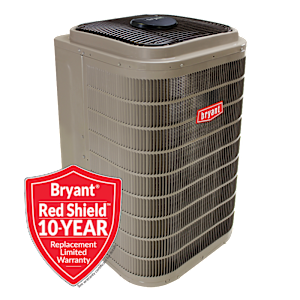
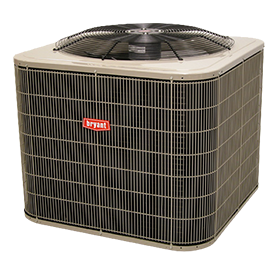
- System Complexity: Variable-speed compressor systems such as the Bryant 191VAN Evolution™ Extreme Variable Speed Air Conditioner typically involve more advanced technology than single-stage systems such as the Bryant 135SAN, which can affect equipment and installation costs.
- Type of Unit: Costs differ between central air systems and ductless configurations. Learn more about types of air conditioners.
- Installation Requirements: Modifications to existing ductwork or electrical panel upgrades can affect the final quote.
Should I Get a 2.5-Ton or 3-Ton AC Unit?
The decision between a 2.5-ton AC unit and a 3-ton unit should be driven by a professional load calculation — not guesswork. Oversizing wastes energy and causes short cycling; undersizing leaves your home uncomfortable on the hottest days.
Bryant recommends sizing an air conditioner based on the home's cooling load rather than using a square-footage rule alone. A 3-ton unit may be appropriate for a larger home or a home with greater cooling demands, while a 2.5-ton unit may be sufficient when the calculated cooling load is lower. Always consult a qualified HVAC professional before making a final decision.
Why Choose a Bryant 3-Ton Air Conditioner?
Bryant 3-ton air conditioners are available with different compressor technologies, efficiency ratings, sound levels, and comfort features, allowing homeowners and dealers to match system capabilities to the home's cooling needs.
Bryant 3-Ton Air Conditioner Options
| Bryant model | Compressor | Efficiency | Sound level* |
| 191VAN | Variable-speed | Up to 21 SEER2 / 12 EER2 | As low as 55 dB |
| 148TAN | Two-stage | Up to 18 SEER2 / 13.5 EER2 | As low as 67 dB |
| 135SAN | Single-stage | Up to 16.5 SEER2 / 14.5 EER2 | As low as 71 dB |
*Sound ratings vary by operating condition and configuration. Specifications are based on Bryant's published product information.
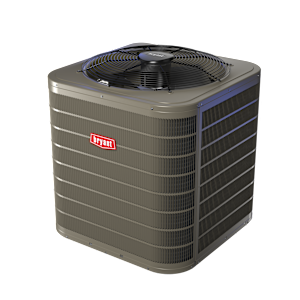
The Bryant 191VAN, 148TAN, and 135SAN are examples of Bryant air conditioners available across different performance levels and compressor technologies. The 191VAN offers variable-speed operation, the 148TAN uses two-stage operation, and the 135SAN uses a single-stage compressor.
Energy Efficiency
Bryant's top-tier models, such as the Evolution™ Extreme 26, boast SEER2 ratings up to 21 and EER2 ratings up to 12. Higher ratings signal that the system uses less electricity to cool your home — directly translating to lower monthly energy bills and a reduced carbon footprint.
The Bryant 191VAN provides a proprietary performance benchmark through its 25%-to-100% capacity range in 1% increments. This variable-speed capability allows the system to make smaller capacity adjustments rather than operating only at full capacity or shutting off. The 191VAN is also rated as low as 55 dB during low-stage operation.
Smart and Variable-Speed Technology
The Bryant 191VAN 3-ton AC unit features a variable-speed compressor that modulates between 25% and 100% capacity in precise 1% increments. This allows the system to adjust cooling output to changing demand, helping maintain more consistent indoor temperatures and supporting efficient operation.
- Dehumidification: When paired with the Evolution Connex Control™, the Bryant 191VAN can provide enhanced humidity management through low-stage operation.
- Smart Control: Manage your climate from anywhere using the Bryant Smart Home App, giving you seamless control over your comfort.
Built to Last
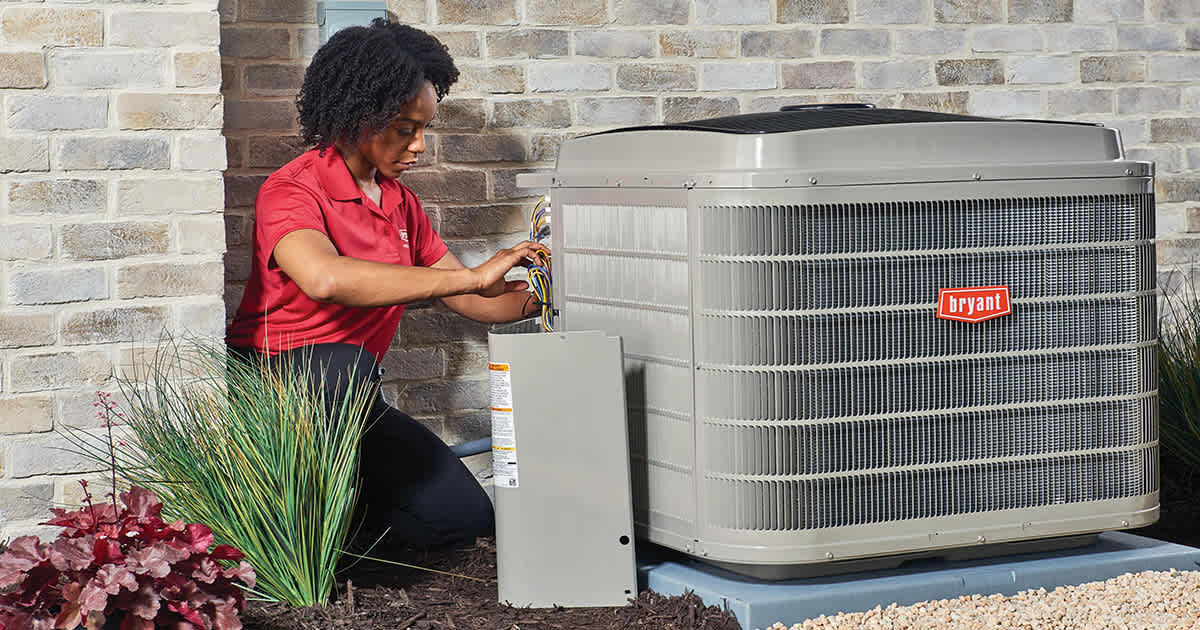
Bryant backs its air conditioners with a 10-year parts limited warranty upon timely registration, subject to the terms and conditions of the applicable warranty. Durability is engineered into every Bryant unit from the ground up. High-quality materials and rigorous testing ensure Bryant air conditioners are built to endure.
Connect With A Bryant Dealer
A 3-ton air conditioner can be a great fit for many medium-to-large homes — but the right system depends on your home's specific cooling profile. Connect with your local Bryant dealer to assess your home’s specific cooling needs, recommend the best air conditioner for your home, and guide you through the AC installation and financing process.
Compare Bryant Air Conditioners
A Bryant air conditioner offers reliable performance, energy efficiency, and advanced cooling technology to keep your home comfortable year-round. With high SEER2 ratings, Bryant units provide cost-effective operation, helping reduce energy bills while delivering powerful cooling. Their durable construction ensures long-lasting performance, and quiet operation enhances home comfort. Plus, Bryant’s smart thermostat compatibility and industry-leading warranties make it a trusted choice for homeowners seeking efficient, dependable cooling solutions.
3 Ton AC Unit FAQs
A 3-ton AC unit can typically cool about 1,500 to 2,000 square feet, depending on insulation, ceiling height, and sun exposure. It’s best to have your local Bryant dealer perform a manual load calculation to see what AC size you need.
The total cost for a 3-ton AC unit, including installation, usually ranges from $3,000 to $15,000, depending on brand and system complexity. Learn more about AC pricing.
Choose a 2.5 ton AC unit or 3 ton AC unit based on your home’s cooling load. Oversizing a unit wastes energy, while undersizing won’t cool effectively; a professional load calculation can determine the right size.
A 3-ton AC doesn’t weigh three tons—it measures cooling capacity. It provides 36,000 BTUs per hour, suitable for roughly 1,500–1,800 square feet.
On average, 3-ton systems last 12 to 15 years, though regular tune-ups can extend their lifespan.
No, 3-ton refers to the cooling capacity (36,000 BTUs/hr), not the physical weight. The actual unit weight varies by model but is generally manageable for standard residential installation.
A standard 3-ton AC unit typically requires a dedicated 220-240V circuit with a 30 to 40-amp breaker. You should always have a licensed electrician or HVAC professional verify your home's electrical panel before installation.
It depends. Upgrading to a modern, high-efficiency 3-ton AC unit with advanced variable-speed technology can help reduce your energy bills compared to an older, outdated system.
Yes, many modern 3-ton AC units easily integrate with smart thermostats and home automation platforms. Systems using the Bryant Smart Home App allow you to control your climate remotely for ultimate convenience.
It depends on the home's total square footage, layout, and insulation. A two-story home of 1,500–2,000 sq ft may be well served by a 3-ton system, but structural variables — including floor plan and sun exposure per level — make a professional load calculation essential before any purchasing decision.
A 3-ton AC unit requires regular maintenance such as replacing air filters, cleaning the outdoor condenser coil, checking refrigerant levels, inspecting electrical components, and ensuring proper airflow. Homeowners should replace filters regularly and schedule professional maintenance at least once a year to help maintain efficiency, reliability, and system performance.
The right SEER2 rating for a 3-ton AC unit depends on your climate, budget, and energy-efficiency goals. Higher-efficiency systems with higher SEER2 ratings can reduce energy use and operating costs, but may have a higher upfront price. A qualified HVAC professional can help you choose the best efficiency level based on your home's needs and local requirements.
Learn More About Air Conditioners
- Learn about AC sizes: 2 ton, 4 ton, 5 ton
- Learn how does air conditioning work
- Find out what is an inverter air conditioner
- Find out how long do AC units last?
1To the original owner, when product is used in an owner-occupied residence, a 10-year parts limited warranty upon timely registration of your new equipment. Warranty period is 5 years if not registered within 90 days. Jurisdictions where warranty benefits cannot be conditioned on registration will automatically receive a 10-year parts limited warranty. See warranty certificate for complete details.


