About The Author: Travis Baugh is a Digital Brand Marketing Manager for Bryant, where he creates clear, helpful content to guide homeowners through heating, cooling, and indoor air quality decisions. His goal is to empower readers with the knowledge they need to choose the right comfort solutions for their home—confidently and comfortably.
Guide to 2.5 Ton AC Units: Sizing, Selection Considerations, and FAQs
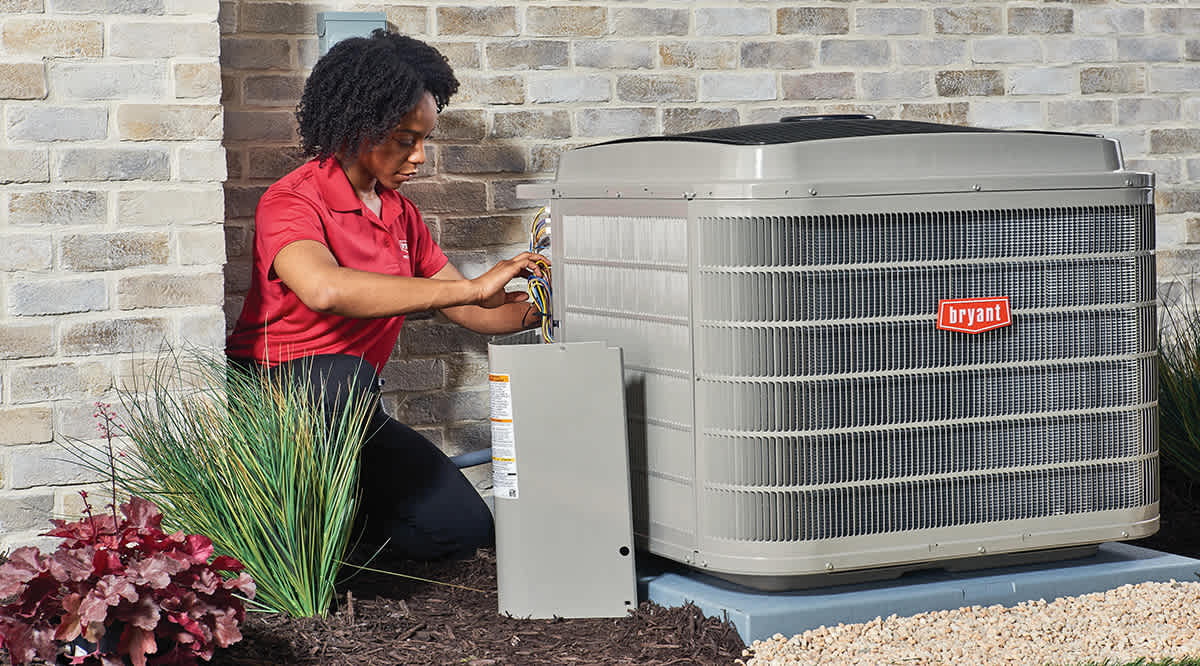
A 2.5 ton AC unit is a residential air conditioning system capable of removing 30,000 British Thermal Units (BTUs) of heat per hour from your home. For most climates and floor plans, a 2.5 ton system is the ideal size to cool a space ranging from 1,200 to 1,500 square feet.
When you invest in a new HVAC system, you are making a long-term commitment to your family's comfort, health, and financial situation. As homeowners face rising energy bills and extreme seasonal temperature shifts, upgrading to an advanced, energy-efficient AC system is a proactive step toward sustainable home management. Bryant stands at the forefront of this cooling revolution, engineering 2.5 ton AC units that deliver reliable performance, quiet operation, and smart home integration.
How Does a 2.5 Ton AC Unit Work?
A 2.5 ton AC unit works by circulating refrigerant between an indoor evaporator coil and an outdoor compressor, absorbing indoor heat and releasing it outside. This continuous cycle lowers the indoor temperature while simultaneously dehumidifying the air.
Bryant’s advanced 2.5 ton AC units take this foundational process and elevate it with cutting-edge technology. Instead of simply turning on and off, modern Bryant systems utilize variable-speed compressors and advanced smart controls to precisely match your home's cooling demands.
This means the system runs at lower, more efficient speeds for longer periods, which significantly reduces energy consumption and minimizes temperature swings. The result is a seamless, quiet comfort experience that traditional, outdated single-stage units simply cannot match.
Why Choose A Bryant 2.5 Ton AC Unit?
Bryant solutions inspire confidence in everyday life and the things that matter to our customers. A Bryant 2.5 ton AC unit is engineered for long-lasting durability, exceptional efficiency, and quiet operation.
Here are the core benefits of upgrading to a Bryant system:
- Advanced Energy Efficiency: Our systems are designed to minimize energy consumption, helping you reduce energy bills without sacrificing comfort. High Seasonal Energy Efficiency Ratio (SEER2) and Energy Efficiency Ratio (EER2) ratings help ensure optimal performance.
- Quiet Operation: Enjoy a peaceful home environment. Bryant units feature advanced sound-dampening technology, ensuring quiet comfort in every room.
- Smart Home Integration: Control your climate from anywhere using the Bryant SmartHome App. Bryant systems integrate seamlessly with popular smart thermostats, giving you precise control over your home's temperature and energy usage.
- Improved Air Quality: Breathe cleaner air with engineered filtration systems that capture dust, allergens, and pollutants, creating a healthier sanctuary for your family.
- Reliable Durability: Backed by strong warranties and decades of proven history, Bryant systems provide reliable performance year after year.
How Much Does a 2.5 Ton AC Unit Cost?
The cost of a 2.5 ton AC unit typically ranges from $3,500 to $7,0001, including professional AC installation. The final price depends on the specific model's SEER2 rating, smart technology features, and the complexity of the installation process in your home.
While initial costs might be higher for premium models, the savings on energy bills and improved comfort make it a worthwhile investment. High-efficiency Bryant systems often qualify for local rebates, further offsetting the upfront investment. When evaluating costs, it is crucial to consider the long-term value, robust warranty coverage, and reduced operational expenses over the lifespan of the AC unit. Learn more about air conditioner cost.

How to Select the Right 2.5 Ton AC Unit for Your Home
Selecting the right 2.5 ton AC unit involves evaluating your home's specific cooling needs, your budget, and your long-term comfort goals. Partnering with a certified HVAC professional ensures a precise load calculation, guaranteeing the unit is perfectly matched to your space.
Follow these expert steps to choose the ideal system:
- Evaluate Efficiency Ratings: Look for a high SEER2 rating. Units with higher SEER2 ratings consume less electricity, providing significant long-term energy savings.
- Consider Smart Controls: If convenience is a priority, choose a model compatible with advanced smart thermostats. This allows for automated scheduling and remote temperature adjustments.
- Assess Noise Levels: Check the decibel (dB) rating of the outdoor unit. If your AC will be located near a bedroom or patio, prioritize models specifically engineered for quiet operation.
- Review Warranty Coverage: Protect your investment. Select a Bryant unit that offers comprehensive parts and compressor warranties for unmatched peace of mind.
- Consult a Professional: Always have an authorized Bryant dealer perform a Manual J calculation. This ensures your home’s insulation, window layout, and ductwork are properly accounted for before AC installation.
Sizing Your System: When to Choose a 2.5 Ton AC Unit
Choosing a 2.5 ton AC unit is best suited for homes or specific zoning areas between 1,200 and 1,500 square feet with average insulation. If your space is significantly larger, you may require a 3 ton AC unit; if it is smaller, a 2 ton AC unit might be sufficient.
Proper sizing is critical to HVAC performance. An undersized unit will run constantly, driving up energy bills and failing to cool the home on peak summer days. Conversely, an oversized unit will "short cycle"—turning on and off too quickly—which prevents it from effectively removing humidity and leads to premature wear and tear.
Mark LeGare, owner of The Coolest in Austin, TX, explains that properly sizing an air conditioning system requires evaluating a range of environmental and structural factors.
“It’s about taking all environmental factors into consideration,” LeGare said. “Things like tree coverage, whether the home is one or two stories, the building materials like brick versus wood, and the type of insulation all impact the size of system you need.”
Partnering with your local Bryant dealer ensures that a proper Manual J load calculation is performed. This calculation takes into account your home's square footage, window placement, ceiling height, and insulation quality to confirm that a 2.5 ton AC unit is the precise fit for your needs.
Connect With A Bryant Dealer on 2.5 Ton AC Units
Connecting with a local Bryant dealer is one of the best ways to ensure you choose the right 2.5-ton AC unit for your home’s size and efficiency needs. Your local Bryant dealer can provide expert sizing, installation estimates, and help you compare available Bryant models based on performance and budget. They can also guide you through warranties, financing options, and ongoing AC maintenance for long-term reliability.
2.5 Ton AC Unit FAQs
A 2.5 ton AC unit will effectively cool between 1,200 and 1,500 square feet, depending on the home's insulation, climate, and ceiling height.
In HVAC terminology, "tons" refers to the system's cooling capacity, not its physical weight. A 2.5 ton AC unit can remove 30,000 British Thermal Units (BTUs) of heat from your home per hour.
Yes, many 2.5 ton AC units integrate seamlessly with advanced smart thermostats, allowing you to control your home's climate remotely and track energy usage for maximum efficiency.
Signs that you need a new AC unit include frequent breakdowns, a noticeable increase in energy bills, uneven cooling, and a system age of over 10 to 15 years. Upgrading to a new energy efficient air conditioner resolves these issues while providing quieter, more efficient comfort.
A 2.5 ton AC unit should be professionally serviced twice a year, with regular filter changes every 1–3 months and periodic cleaning of coils and outdoor components to maintain efficiency and prevent breakdowns.
Common types include central air conditioners, ductless mini-split systems, and heat pumps—each offering different installation setups and efficiency benefits depending on your home.
Most 2.5 ton AC units last between 10 to 15 years, though proper maintenance and usage can extend the system’s lifespan.
A 2.5 ton AC unit provides about 30,000 BTUs per hour of cooling, typically suitable for homes around 1,200 to 1,500 square feet depending on insulation and climate.


