About The Author: Travis Baugh is a Digital Brand Marketing Manager for Bryant, where he creates clear, helpful content to guide homeowners through heating, cooling, and indoor air quality decisions. His goal is to empower readers with the knowledge they need to choose the right comfort solutions for their home—confidently and comfortably.
Heat Pump Installation Guide
Heat pump installation is a comprehensive process where your local Bryant dealer correctly sizes, places, and connects an indoor and outdoor heat pump unit for efficient, year-round heating and cooling. A standard installation typically takes 4 to 8 hours and involves 12 distinct steps—from initial site assessment to final system calibration.
Proper installation is critical. It directly determines your system's performance, energy efficiency, and lifespan. Whether you're replacing an outdated unit or installing a brand-new system, preparation is key. This guide covers everything from selecting the right efficiency ratings to understanding the full 12-step installation process, so you know exactly what to expect.
Step-by-Step Heat Pump Installation Process
A professional heat pump installation follows 12 structured steps designed to ensure safe, code-compliant, and high-performance results.- Initial Consultation and Assessment: A technician evaluates your home’s size, insulation, and layout to determine the correct heat pump size, such as a 3 ton heat pump or 4-ton heat pump.
- System Selection: Based on the assessment, the dealer recommends a system that fits your needs and budget.
- Scheduling Installation: The installation is scheduled at a convenient time. Most installations take a few hours.
- Preparing the Installation Site: The team prepares the indoor and outdoor locations, ensuring the outdoor unit has proper airflow and sits on a level surface like a concrete pad.
- Installing the Indoor Unit: The indoor air handler or evaporator coil is mounted and connected to your home’s ductwork.
- Installing the Outdoor Unit: The outdoor heat pump is installed and connected to the indoor unit.
- Connecting Refrigerant Lines: Technicians connect the lines that carry refrigerant between the indoor and outdoor units.
- Wiring and Electrical Connections: All electrical components, including the thermostat and safety switches, are wired correctly.
- System Calibration and Testing: The system is thoroughly tested to check refrigerant levels, airflow, and thermostat function.
- Final Inspection and Customer Education: The technician performs a final check and explains how to operate and maintain your new system.
- Clean-Up and Disposal: The work area is cleaned, and any old equipment is removed and properly disposed of.
- Follow-Up and Maintenance Plans: Your dealer may offer a regular heat pump maintenance plan to keep your system running optimally.
What Should I Consider When I Install a Heat Pump?
Before installation begins, homeowners should evaluate efficiency ratings, permitting requirements, safety considerations, and whether professional installation is required. Each factor directly affects long-term performance and total cost of ownership.
Efficiency Ratings: SEER2 a nd HSPF2
When selecting a heat pump, the two most critical efficiency metrics to look for are SEER2 (Seasonal Energy Efficiency Ratio 2, which measures cooling efficiency) and HSPF2 (Heating Seasonal Performance Factor 2, which measures heating efficiency). Higher ratings indicate a more efficient unit that costs less to operate year-round.
According to Mike Lea, co-owner of Lea Heating & Air Conditioning in East Dundee, IL, efficiency ratings should be at the top of the list of considerations for a homeowner when they are considering what heat pump to install.
"When shopping for a heat pump, one of the things that is most important to consider is the SEER2 rating, which is the efficiency for cooling,” Lea said. “We would always suggest you know a 16 SEER2 or above."
Safety
Heat pump installation involves high-voltage electrical components, sharp metal parts, and heavy equipment. Power must always be shut off at the breaker panel before work begins, and proper protective gear—gloves and safety glasses—should be worn throughout. Safe handling procedures are essential to preventing electrical shock, injury, and equipment damage.Local Permits and Code Requirements
Many areas require permits for heat pump installation, particularly when electrical or refrigerant work is involved. Some municipalities allow homeowners to pull permits themselves; others require a licensed HVAC contractor to complete the work and schedule inspections. Verifying local code requirements in advance helps avoid delays and compliance issues.Specialty Tools and Technical Skills
Professional heat pump installation requires specialized tools, including manifold gauges, vacuum pumps, refrigerant recovery machines, and electrical testing equipment. Proper system sizing, refrigerant charging, airflow setup, and thermostat configuration all demand technical expertise. Your local Bryant dealer brings this knowledge directly to your home.High-Risk Steps
Working with pressurized refrigerant lines and high-voltage wiring carries significant risk when handled improperly. Incorrect installation can result in refrigerant leaks, reduced efficiency, system failure, or personal injury. Professional installation by a certified Bryant dealer is strongly recommended for safety, code compliance, and long-term performance.How Much Does Heat Pump Installation Cost?
Heat pump installation costs vary based on several factors: the size of your home, the type of heat pump selected (air-source or geothermal, for example), and whether existing ductwork can be reused.
Key cost factors include:
- Heat pump type and size: Larger or more advanced units—such as those with variable-speed compressors or smart thermostat integration—carry higher upfront costs but often deliver lower long-term energy expenses. Learn more about heat pump size.
- Electrical and duct modifications: If electrical upgrades, new refrigerant lines, or duct modifications are required, total installation costs may increase.
- Regional labor rates and permits: Local labor markets and permit requirements can further influence your total investment.
- Efficiency tier: Higher-efficiency models typically cost more upfront but reduce monthly energy bills over the system's lifespan—making them a strong value for homeowners focused on long-term savings.
While it may be tempting to focus only on initial cost, proper sizing, expert installation, and warranty protection are essential to ensure reliable performance and long-term value. Learn more about heat pump cost.
Ensure Proper Installation With Professional Help
Professional installation ensures that your system is correctly sized, compliant with local codes, and eligible for warranty coverage. Heat pumps involve complex electrical and refrigerant connections that require specialized training to handle safely—and improper installation can void your manufacturer warranty.
Choosing a Factory Authorized Dealer guarantees that your installation is performed by a technician who adheres to the highest industry standards. These experts possess the technical know-how to optimize airflow and refrigerant levels, ensuring your system delivers the comfort you expect. With Bryant's history of innovation, you are investing in a system designed for the future, backed by a 100% Satisfaction Guarantee.
What To Expect During a Bryant Heat Pump Installation
When you choose a Bryant heat pump, the installation process is designed to be thorough, efficient, and clearly communicated from start to finish.
Before installation day, your Bryant dealer conducts an in-home evaluation to perform load calculations, assess ductwork and electrical capacity, and recommend the right system for your climate and comfort goals. You'll receive a clear explanation of the scope of work, timeline, and any required permits before a single tool is picked up.
On installation day, technicians safely disconnect and remove your old equipment (if applicable), set the new outdoor unit on a level pad, and install or connect the indoor air handler or coil. Refrigerant lines, electrical connections, and thermostat wiring are completed according to manufacturer specifications and local codes. Once installed, the system is vacuumed, properly charged, and thoroughly tested to confirm correct airflow, temperature control, and overall performance.
After installation, your Bryant dealer walks you through how to operate and maintain your new system—so you feel confident from day one.
How Do I Find a Heat Pump Installer?
Finding the right installer is as important as choosing the right system. When you schedule a heat pump replacement or installation with your local Bryant dealer, you gain access to factory-trained technicians committed to delivering the highest standards of service.
Bryant Factory Authorized Dealers are available nationwide. Enter your ZIP code on Bryant's dealer locator to find a certified professional near you—and get your high efficiency heat pump installation scheduled at a time that works for you.
Compare Bryant Heat Pumps
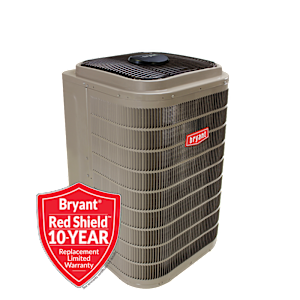
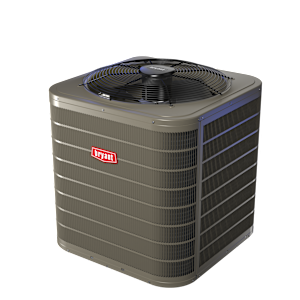
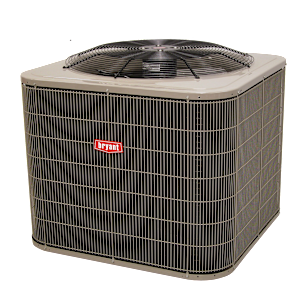
Choose a Bryant heat pump for reliable, energy-efficient heating and cooling all year round. Known for their durability and advanced technology, Bryant heat pumps offer superior comfort while lowering energy costs. With quiet operation and smart features like variable-speed motors, Bryant heat pump systems ensure optimal temperature control. Backed by industry-leading warranties and professional installation from your local Bryant dealer, a Bryant heat pump is a long-term investment in comfort, efficiency, and peace of mind for your home.
Heat Pump Installation FAQs
Most professional heat pump installations are completed within a single day, typically taking between 4 to 8 hours depending on the complexity of the site and whether ductwork modifications are needed.
No, DIY installation is not recommended and often voids manufacturer warranties. Heat pumps require handling high-voltage electricity and refrigerant, which requires EPA certification and specialized tools to ensure safety and legal compliance.
In most areas, yes. Permits are commonly required for heat pump installations that involve electrical or refrigerant work. Requirements vary by municipality—some allow homeowners to pull permits, while others require a licensed HVAC contractor. Your Bryant dealer can help navigate local permitting requirements.
According to HVAC professionals, a SEER2 rating of 16 or above is a strong benchmark for energy-efficient cooling performance. Higher SEER2 ratings reduce your operating costs over the system's lifetime and may qualify for energy efficiency incentives.
Learn More About Heat Pumps
- Discover what is a heat pump
- Explore heat pump repair
- Read our guide to heat pump cost
- Understand what is an electric heat pump
- Learn what is an air source heat pump
- Explore cold climate heat pumps


