About The Author: Travis Baugh is a Digital Brand Marketing Manager for Bryant, where he creates clear, helpful content to guide homeowners through heating, cooling, and indoor air quality decisions. His goal is to empower readers with the knowledge they need to choose the right comfort solutions for their home—confidently and comfortably.
How Long Do Heat Pumps Last? A Guide to Reliable Comfort
How long do heat pumps last? On average, a well-maintained heat pump lasts between 15 and 20 years. Regular maintenance, proper installation, and your local climate all play crucial roles in determining the exact lifespan of your system. high-efficiency heat pumps HVAC tune-up

For homeowners seeking long-term comfort and efficiency, investing in an advanced HVAC system is a powerful step toward a better home environment. Today’s smart, high-efficiency heat pumps do more than regulate temperature; they can help manage energy use and provide more precise temperature control. Whether you are building a new home, planning a major renovation, or simply looking to reduce your energy use, understanding the lifespan of your heat pump is critical. Bryant offers heat pumps with cooling efficiencies of up to 23 SEER2 in the Evolution Extreme 23 Variable-Speed Heat Pump (293VAN) and heating efficiencies of up to 12.5 HSPF2 in the Evolution Extreme 21 Variable-Speed Heat Pump (291VAN).
What is the Average Lifespan of a Heat Pump?
A residential air-source heat pump has an average life of about 15 years, while a well-maintained Bryant heat pump may operate for 15 to 20 years depending on installation, maintenance, climate, and operating conditions. Because heat pumps provide both heating and cooling, they operate year-round, which can contribute to more operating hours than standalone air conditioners or furnaces.
To help achieve a long service life, Bryant recommends professional heat pump service at least once, ideally twice, a year. A seasonal service schedule can help identify airflow, electrical, refrigerant, and other equipment issues before they develop into larger problems. Homeowners who prioritize seasonal HVAC tune-ups consistently report fewer heat pump repairs and longer equipment life.
Bryant's 4-Factor Lifespan Model
Bryant's 4-Factor Lifespan Model—Installation, Maintenance, Climate, and Technology—provides a simple way to understand the factors that can influence how long a heat pump lasts. No single factor determines the exact service life of a system.
| Factor | How It Can Affect Heat Pump Lifespan |
| Installation | Proper sizing, airflow, electrical connections, and refrigerant charging can help the system operate as designed. |
| Maintenance | Regular inspections, clean filters, and proper airflow can help reduce avoidable wear and performance problems. |
| Climate | Extreme temperatures, long operating seasons, and coastal conditions can increase operating demands or environmental exposure. |
| Technology | Modern variable-speed systems can adjust capacity to match heating and cooling demand and may provide more precise temperature control. |
Factors That Determine How Long Heat Pumps Last
Several distinct factors determine exactly how long your heat pump will efficiently heat and cool your home. The quality of the initial heat pump installation, the frequency of routine heat pump maintenance, and the demands of your local climate all significantly impact the longevity of the unit.
How Does Installation Impact Lifespan?
Proper installation is the foundation of a heat pump's lifespan, directly influencing how hard the system has to work to achieve your desired indoor climate. If a system is improperly sized or poorly installed, it will short cycle, leading to premature wear on the compressor and fan motors.
Partnering with certified HVAC specialists ensures your system is correctly matched to your home's square footage and ductwork layout. Proper installation can also help the equipment achieve its rated efficiency and performance.
Joseph Braswell, owner of Guin Service Company in Birmingham, AL, emphasizes to homeowners the importance of choosing an installing contractor wisely to help extend the life of a heat pump.
“Buying your unit from a Factory Authorized Dealer helps ensure it’s installed correctly,” Braswell said. "They have to meet annual training standards to maintain their status and are committed to quality installation."
Why is Routine Maintenance So Important?
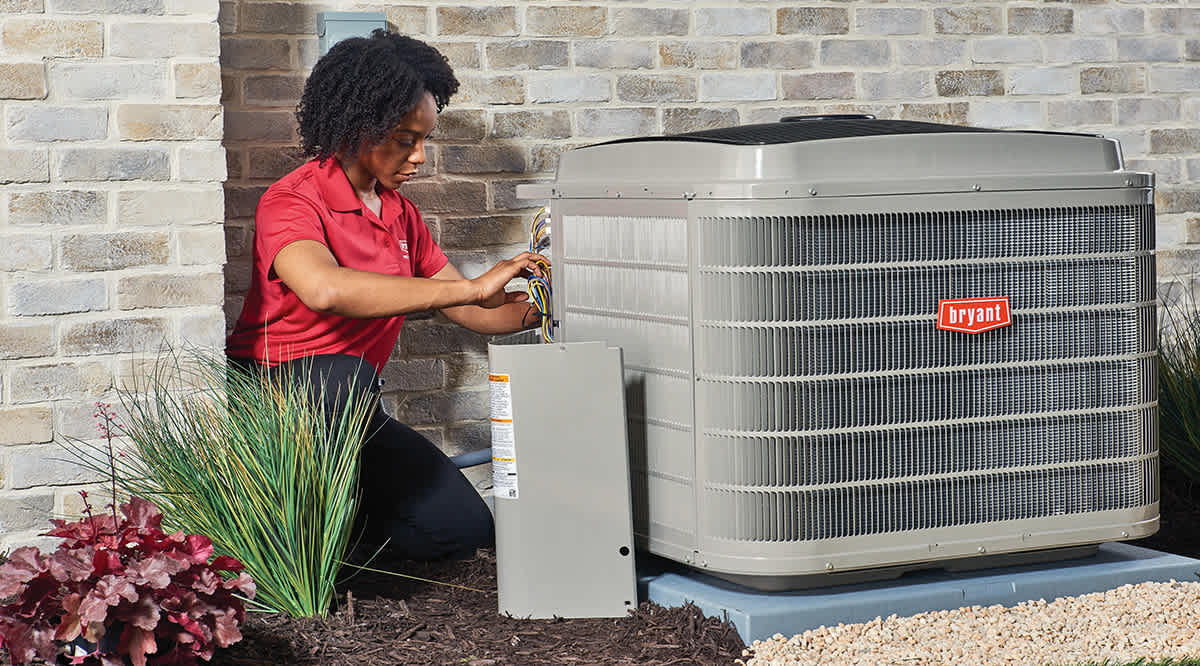
Routine HVAC maintenance prevents minor wear and tear from escalating into catastrophic emergency HVAC repairs. Bryant recommends following the maintenance schedule specified for your equipment and having a qualified technician inspect the system regularly.
During these visits, technicians clean the coils, check the refrigerant levels, inspect electrical connections, and evaluate system operation. Keeping filters clean and maintaining proper airflow can also help the heat pump operate efficiently.
"Have a Factory Authorized Dealer service the unit twice a year, and don’t forget to change your air filter on a regular basis," Braswell said. "If you do those things, you’ll be surprised at how much longer your heat pump can last.”
How Does Climate Affect Heat Pump Durability?
Your local climate dictates how frequently and intensely your heat pump must operate, which directly influences its overall lifespan. In regions with extreme temperature fluctuations or harsh coastal environments, systems accumulate more operational hours and face harsher environmental stressors.
Coastal regions expose outdoor units to salt spray, which can accelerate corrosion on metal components. Conversely, areas with long, freezing winters can require more heating operation and defrost cycles. Choosing equipment appropriate for your climate and maintaining the outdoor unit can help support long-term performance. Learn more about coastal HVAC units.
Why Bryant Heat Pumps Are Built for the Long Haul
Bryant heat pumps are designed with features that can support reliable, efficient operation over the life of the system. Depending on the model, Bryant heat pumps offer variable-speed technology, advanced controls, corrosion protection, and sound-reduction features.
Advanced Variable-Speed Technology
Variable-speed technology allows Bryant heat pumps to adjust their output precisely to the heating or cooling demands of your home. Instead of running at full capacity and abruptly shutting off, these systems operate continuously at lower, more efficient speeds.
For example, the Evolution™ 293VAN uses full variable-speed operation and can operate from 20% to 100% capacity. Bryant says this allows the system to match its output to the home's load while providing more precise temperature management.
Quiet Operation
Bryant systems include sound-reduction features that vary by model. For example, the Evolution™ 293VAN is rated as low as 53 dB during its lowest-capacity cooling operation, while the Evolution™ 290VAN is rated as low as 54 dB. These models use features such as compressor sound blankets, quiet mounts, and forward-swept fan blades.
Because sound ratings vary by model and operating condition, homeowners should check the published sound rating for the specific heat pump they are considering rather than assuming all Bryant systems operate at the same level.
Seamless Smart Home Integration
Bryant heat pumps integrate seamlessly with smart thermostats, giving you total control over your home’s climate from anywhere in the world via the Bryant SmartHome App.
On compatible Evolution™ systems, the Evolution™ Connex™ Control can provide maintenance reminders, service notifications, and system diagnostics. Bryant's 290VAN and 293VAN also include InteliSense technology for connected equipment monitoring when paired with compatible Bryant controls.
Signs It Is Time to Replace Your Heat Pump
You should consider heat pump replacement when it approaches or exceeds the typical 15-to-20-year service-life range, requires frequent or increasingly expensive repairs, or experiences a persistent decline in heating or cooling performance.
If your home struggles to reach the temperature set on the thermostat, the system’s compressor may be failing. Additionally, excessive noise, such as grinding or squealing, indicates significant mechanical degradation that standard maintenance can no longer fix. While upfront costs might be higher, the savings on energy bills and improved comfort make upgrading to a new, efficient system a worthwhile investment.
Rather than replacing a heat pump based on age alone, consider its age, repair history, operating performance, energy use, and the cost of continued repairs. Bryant's repair-or-replace guidance also notes that upgrading to a higher-SEER2 system can reduce energy use over the life of the equipment.
Tips to Extend the Life of Your Bryant Heat Pump
To extend the life of your Bryant heat pump, commit to a regular maintenance schedule, change your air filters monthly, and keep the outdoor unit clear of debris. Proactive homeowner habits directly translate to enhanced durability and energy efficiency.
Consistently Replace Your Air Filters
Replacing your HVAC air filter according to the filter manufacturer's or HVAC system's recommendations is an important part of maintaining proper airflow. A clogged filter can restrict airflow, making it harder for the system to circulate conditioned air.
By maintaining clean filters, you help the system operate with proper airflow and can help maintain comfort and efficiency. Learn more about how often to change your air filters.
Keep the Outdoor Unit Clear
Your heat pump’s outdoor unit requires at least two feet of clearance on all sides to properly exhaust heat. Overgrown bushes, tall grass, and accumulated leaves can easily choke the system, severely reducing its efficiency.
Take time each season to inspect the perimeter of the unit and clear away encroaching vegetation or debris. During winter, follow your equipment manufacturer's guidance for safely removing snow or ice and never block the outdoor unit's airflow. Maintaining unrestricted airflow helps your heat pump operate as designed and supports long-term performance.
How Long Do Heat Pumps Last FAQs
Heat pumps typically last 15 years, while traditional air conditioners often last 15 to 20 years. Because heat pumps provide both heating and cooling, they operate year-round, which naturally results in more wear and tear than a seasonal air conditioner. Learn more about how long air conditioners last.
Yes, smart thermostats optimize your heating and cooling schedules, preventing the system from running unnecessarily when you are not home. This reduction in overall runtime minimizes mechanical wear and tear, directly contributing to a longer system lifespan.
Bryant offers strong warranties that generally cover the replacement of internal parts, such as the compressor, for up to 10 years upon registration. However, standard warranties typically do not cover the labor costs associated with a full system replacement.
A Bryant heat pump should be professionally serviced twice a year—once in the spring for cooling mode and once in the fall for heating mode. This bi-annual schedule ensures optimal efficiency, improves air quality, and maximizes the lifespan of the equipment.
Upgrading to a high-efficiency Bryant heat pump has the potential to reduce your monthly energy bills depending on the HVAC system it is replacing and your local climate. Advanced features like variable-speed compressors use less electricity than single-stage heat pumps.


