About The Author: Travis Baugh is a Digital Brand Marketing Manager for Bryant, where he creates clear, helpful content to guide homeowners through heating, cooling, and indoor air quality decisions. His goal is to empower readers with the knowledge they need to choose the right comfort solutions for their home—confidently and comfortably.
Your Guide To AC Replacement
AC replacement is the process of removing an outdated or failing air conditioning system and installing a new, energy-efficient model. Replacement is strongly recommended when a unit is over 10–15 years old, requires frequent and costly AC repairs, or is driving up energy bills month after month. Investing in a modern system delivers consistent cooling, improved indoor air quality, and long-term financial savings.
An air conditioner replacement is a long-term investment in your home's comfort and efficiency. Your local Bryant dealer simplifies every step of the process, making it a seamless transition to superior home comfort.
This guide covers everything you need to know about AC replacement — the key signs it's time to upgrade, how to weigh repair costs against replacement costs, and a step-by-step walkthrough of what a professional AC installation looks like.

When Should You Replace an Air Conditioner?
Replace your air conditioner if it is more than 15 years old or if repair costs approach 50% of the value of a new system. Other clear indicators include uneven cooling, loud or unusual noises, and poor humidity control.
Knowing when to replace your air conditioner is critical for maintaining a comfortable and energy-efficient home. An aging or failing unit leads to higher utility bills, declining indoor air quality, and inconsistent temperatures that disrupt daily life.
David Fowler, owner of Family Heating and Air in Pensacola, Florida, outlines how contractors approach this decision:
“One of the biggest factors is age — that’s always where we start,” Fowler said. “After that, we look at the homeowner’s power bills and the repair scenario. If the repair cost is very high, then we’ll typically lean toward recommending replacement.”
What Are the 4 Key Signs You Need an AC Replacement?
The four key signs you need an AC replacement are an aging system (10–15+ years old), recurring and costly breakdowns, rising energy bills, and uneven temperature distribution throughout your home.
- Age: If your air conditioner is over 10-15 years old, it is likely becoming less efficient and more prone to breakdowns. Modern units offer significant advances in energy savings and performance. Learn more about how long AC units last.
- Frequent Breakdowns: When AC repair bills keep stacking up, ongoing repairs may cost more over time than investing in a reliable new system.
- High Cooling Bills: A sudden or steady increase in your energy bills often indicates your AC is losing efficiency. Upgrading to an an energy-efficient air conditioner can generate meaningful long-term savings.
- Uneven Cooling: If certain rooms are consistently warmer than others, your system may no longer distribute conditioned air effectively — a common sign of a failing unit.
Delaying a necessary AC replacement risks uncomfortable living conditions, excessive energy consumption, and the possibility of a complete system failure at the worst possible time.
Is It Better to Repair or Replace Your AC?
Replacing your AC is generally the better financial choice if the unit is nearing the end of its service life or if repair costs trigger the "$5,000 Rule." This rule recommends multiplying the unit's age by the estimated repair cost; if the result exceeds $5,000, replacement is typically the smarter investment.
Choosing between repair and replacement requires an honest comparison of short-term costs versus long-term value. A repair may appear cheaper upfront, but the compounding costs of AC maintenance and rising energy bills on aging system can quickly surpass the cost of a new air conditioning system installation.
What Factors Influence AC Replacement Cost?
AC replacement costs typically range from $3,000 to $15,000, depending on the following variables:
- Home Size: Larger homes require units with higher cooling capacity (measured in BTUs).
- Efficiency Ratings: Units with higher SEER2 ratings carry a greater upfront cost but deliver lower monthly operating expenses.
- Ductwork: Modifications to existing ducts can affect the total price.
- Installation Complexity: Difficult access points, permit requirements, or electrical code upgrades can increase labor costs.
How Does the AC Replacement Process Work?
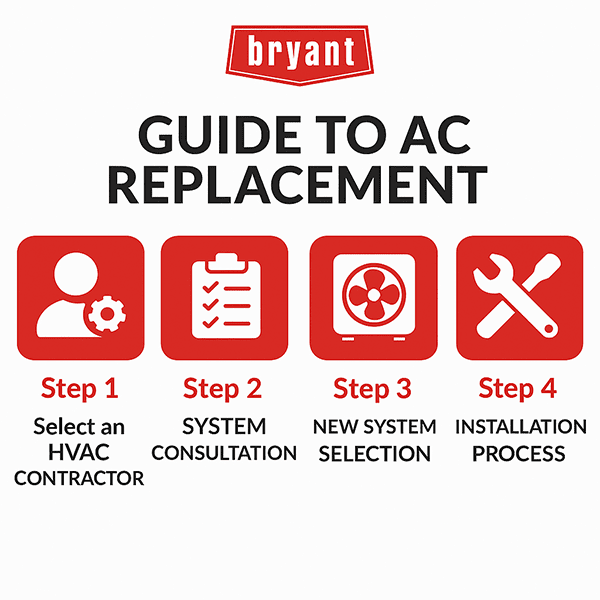
The AC replacement process involves four steps: selecting a certified HVAC contractor, undergoing a comprehensive home consultation, choosing the right high-efficiency unit, and completing a professional installation.
Understanding the air conditioning replacement process helps homeowners know what to expect and prepares them to make confident decisions at each stage.
Step 1: Select a Reputable HVAC Contractor
Selecting the right contractor is the single most important first step in any AC replacement. Look for an experienced HVAC professional with a strong track record of customer satisfaction. The Bryant Dealer Locator connects homeowners with trusted local contractors, including Bryant Factory Authorized Dealers who are held to the highest performance and service standards.
Step 2: Get a System Consultation
A qualified contractor will conduct a thorough home assessment to determine your specific cooling needs. This typically includes:
- Evaluating your home’s size and layout to determine what size air conditioner you need
- Assessing your existing system's performance and ductwork condition
- Discussing your budget and energy efficiency priorities
Come prepared with a list of any issues you've noticed with your current system. This consultation ensures the final recommendation is tailored to your home's unique requirements.
Step 3: Choose Your New Air Conditioner
Based on the consultation, your contractor will help you select the right replacement unit. Key selection factors include:
- Cooling Capacity (BTU): Matched to your home's size.
- Energy Efficiency (SEER2 /EER2): Higher ratings translate directly to lower operating costs.
- Features: Smart thermostat compatibility and modern convenience features.
- Reliability: Long-term durability and warranty coverage.
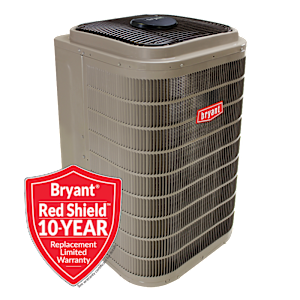
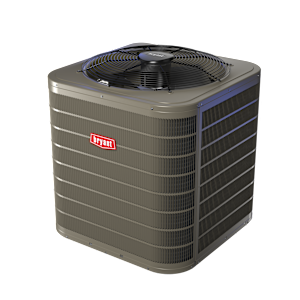
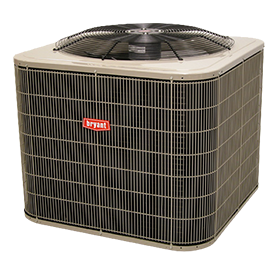
Bryant offers three tiers to match different budgets and performance needs:
| Category | BEST – Evolution™ System | BETTER – Preferred™ Series | GOOD – Legacy™ Line |
| Energy Management | Extreme variable-speed operation. Our highest efficiency model makes adjustments and decisions each second to deliver comfort with much higher efficiency than standard or two-stage models. | Two-stage operation automatically chooses between low and high stages to maintain more consistent temperatures. Single-stage operation switches on each time the temperature rises above the thermostat set point. | Single-stage operation switches on each time the temperature rises above the thermostat set point. |
| Durability | Protection features galvanized steel cabinets, baked-on powder paint and louvered coil guard. | DuraGuard™ Plus Protection features galvanized steel cabinets, baked-on powder paint and louvered coil guard. | DuraGuard Protection features galvanized steel cabinets, baked-on powder paint. |
| Humidity Management | Perfect Humidity Technology™. This feature leverages multi-stage systems to maximize humidity removal without over-cooling. | Enhanced Humidity Management provides enhanced humidity removal during cooling operation. | Basic humidity management provides basic humidity removal during cooling operation. |
How to choose between Bryant's tiers: The Evolution™ System is better suited for homeowners who prioritize maximum long-term energy savings and precise comfort control. The Preferred™ Series works best for those seeking a strong balance of efficiency and upfront cost. The Legacy™ Line is a dependable, budget-friendly option for straightforward cooling needs.
Step 4: Professional Installation
During the final step, the HVAC team safely removes the old unit, installs the new system, and completes all required electrical, refrigerant, and performance tests. This ensures the new air conditioner operates safely, quietly, and at peak efficiency from day one.
Why is Professional AC Installation Critical?
Professional AC installation ensures the system meets local codes, operates at peak efficiency, and keeps the manufacturer's warranty valid. According to industry data, poor installation can reduce system efficiency by up to 30% and contribute to premature mechanical failure.
Samantha Houchin, owner of The Weather Changers in Denver, Colorado, explains the real-world consequences of cutting corners:
“We have followed behind many bad installs that they're not done correctly to code,” Houchin said. “It can put you in danger when you have a friend of a friend come install a system for you. It can be done so poorly where the only way to fix it is to install a brand new system, and it often leads to the homeowner actually having to pay more to fix a problem than if they did it right the first time.”
Key reasons professional installation matters:
- Optimal Performance: Proper AC installation helps guarantee your new system operates at peak efficiency, which can help lower energy bills.
- Warranty Protection: Most manufacturers, including Bryant, require professional installation to honor the warranty.
- Code Compliance: Certified technicians handle all permits, electrical connections, and refrigerant handling to meet local regulations — giving homeowners peace of mind.
How Climate Affects AC Replacement Decisions
Your local climate plays an important role in determining the best air conditioner for your home. Factors such as summer temperatures, humidity levels, and how often your AC runs can influence the ideal efficiency rating, system features, and long-term operating costs.
- Hot, humid climates (Southeast and Gulf Coast): Consider a higher-efficiency system (16+ SEER2) with a variable-speed compressor for improved humidity control, consistent comfort, and lower cooling costs during long cooling seasons.
- Hot, dry climates (Southwest): High-efficiency air conditioners can help reduce electricity costs during extreme heat, while two-stage or variable-speed systems provide more consistent indoor temperatures despite large daytime temperature swings.
- Moderate climates: A mid- to high-efficiency system often provides the best balance between upfront cost and long-term energy savings, especially if cooling demands are moderate.
- Cooler northern climates: Homeowners may prioritize heating performance or consider a high-efficiency unit, while a moderately efficient air conditioner may provide sufficient cooling for shorter summers.
In addition to climate, consider your home's insulation, window quality, shade, and air sealing when selecting a replacement system. A properly sized air conditioner—determined through a Manual J load calculation—is just as important as choosing the right SEER2 rating for maximizing comfort, efficiency, and equipment lifespan.
Connect With Your Local Bryant Dealer For AC Replacement
Ready to explore your central air conditioner replacement options? A local Bryant dealer can assess your current system and provide expert guidance tailored to your home, budget, and comfort goals. Connect with a trusted professional today.
Compare Bryant Air Conditioners
A Bryant air conditioner offers reliable performance, energy efficiency, and advanced cooling technology to keep your home comfortable year-round. With high SEER2 ratings, Bryant units provide cost-effective operation, helping reduce energy bills while delivering powerful cooling. Their durable construction ensures long-lasting performance, and quiet operation enhances home comfort. Plus, Bryant’s smart thermostat compatibility and industry-leading warranties make it a trusted choice for homeowners seeking efficient, dependable cooling solutions.
FAQs on AC Replacement
The off-season months—typically spring and fall—are usually the cheapest times to replace HVAC systems, as demand is lower and contractors may offer discounts.
Generally, it's not worth repairing a 20-year-old AC unit, as it's likely inefficient, near the end of its lifespan, and may cost more to maintain than replacing with a modern, energy-efficient system.
The $5,000 rule suggests multiplying the age of your AC unit by the cost of repairs; if the total exceeds $5,000, replacement is typically more cost-effective than repair.
You generally can’t deduct the full cost of an AC replacement on your taxes, but you may qualify for a federal energy-efficiency tax credit if you install a qualifying ENERGY STAR® system.
Homeowners insurance may cover AC replacement only if the damage results from a covered peril—like a storm or fire—not from wear and tear or age.
Replacing an AC system typically costs $3,000 to $15,000, depending on size, brand, efficiency, and installation requirements.
Yes, the "off-season" months of spring and fall are typically the most affordable times to replace an HVAC system. Demand is lower, and contractors may offer special discounts or flexible scheduling.
No, AC replacement should be performed by a licensed professional. It involves handling high-voltage electricity and refrigerant, which requires EPA certification and specialized tools to ensure safety and code compliance.
A typical AC replacement takes 4 to 8 hours. However, if significant ductwork modifications or electrical upgrades are required, the process may extend to a second day.
Learn More About Air Conditioners
- Understand AC tune ups
- Read our guides to AC parts
- Get help with an AC not working or AC not blowing cold air
- Find out how long do AC units last?
- Discover the difference in a heat pump vs air conditioner
- Learn about AC sizes: 2 ton, 3 ton, 4 ton


