
- Explore what is a furnace
- Learn about furnace repair
- Read our guide to furnace parts
- Understand the importance furnace service
- Get help with furnace troubleshooting
- Learn about the types of furnaces
Furnace Replacement Cost (2026): Prices & Factors
Furnace replacement cost is determined by a combination of equipment price, fuel type, efficiency ratings (AFUE), and installation complexity. For a typical 2,000 sq. ft. home, total costs—equipment plus installation—generally range from $4,000–$8,000, though high-efficiency or advanced models can push that figure higher. Choosing the right system matters not just for upfront budget, but for long-term energy savings and reliable home comfort.
What Determines the Total Cost of a New Furnace?
The final price of a new heating system is rarely just the cost of the unit itself. To budget accurately, it is essential to look at the complete picture. Total furnace replacement cost typically breaks down into two main categories: equipment and professional furnace installation.
Equipment Costs
Equipment costs are driven by the furnace unit's fuel type, size, efficiency rating, and features.
- Fuel Type: Gas, electric, and oil furnaces have different price points.
- System size: Larger homes require furnaces with higher heating capacity (measured in BTUs), which increases the cost. Oversizing or undersizing can also impact efficiency and comfort, so proper sizing is crucial. Typical costs are about $1,000–$1,500 per ton for the unit alone (before installation). Proper sizing is crucial—too small and your home won’t heat efficiently; too large and you waste energy.
- Efficiency: High-efficiency models with high AFUE ratings generally cost more upfront sometimes $1,000–$2,500 extra—but can lower monthly heating bills significantly.
- Features: Advanced options like variable-speed blowers or modulating gas valves enhance comfort but add to the equipment cost.
Installation Costs
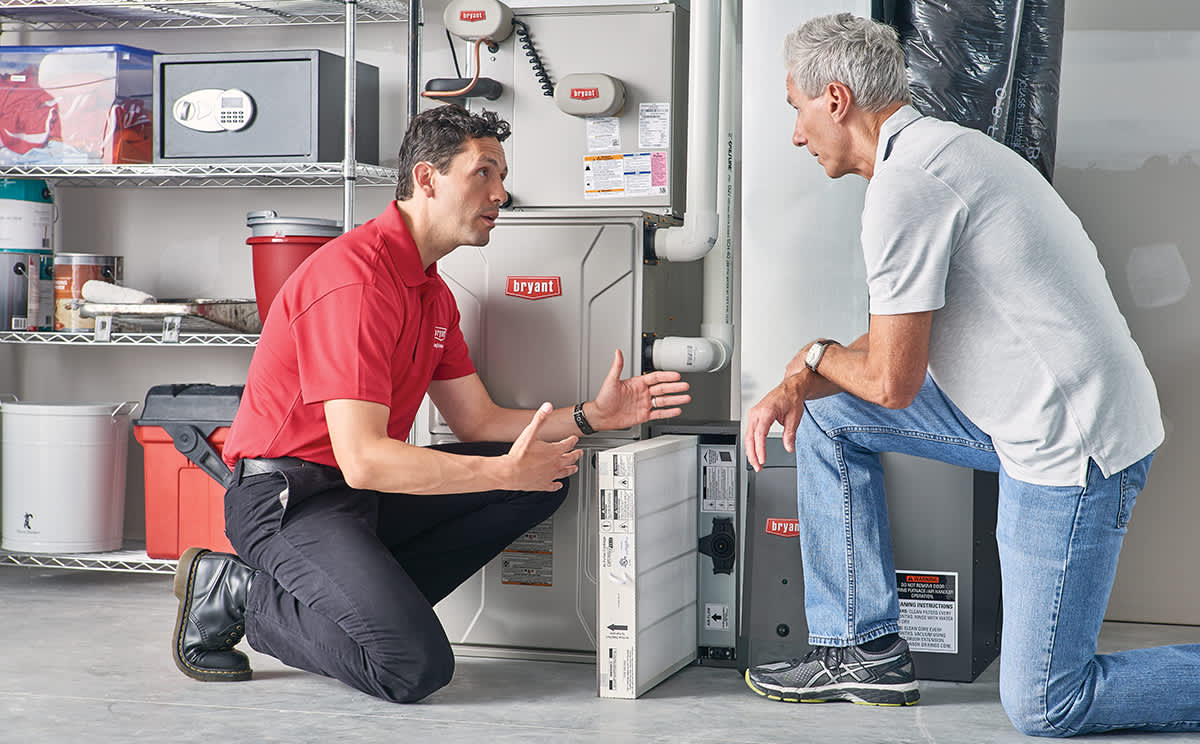
Professional installation is non-negotiable—it ensures safety, code compliance, and warranty validity.
- Labor: Rates vary by region and dealer expertise.
- System Removal: Disposal of the old unit.
- Infrastructure Adjustments: Modifications to ductwork, gas lines, venting, or electrical connections can add meaningfully to the final quote.
How Do Different Furnace Types Affect Cost?
The type of furnace you install is a primary driver of your total furnace replacement cost. Gas, oil, and electric models each have unique price considerations.
- Gas furnaces: The most popular option where natural gas is available. Standard-efficiency models offer lower upfront costs; high-efficiency units cost more initially but deliver meaningful energy savings. Final pricing is also influenced by venting needs, gas line routing, and regional labor rates. Gas furnaces are better suited for homeowners in colder climates who prioritize low operating costs and consistent heat output.
- Electric furnaces: Equipment costs are often lower, but operating expenses can be significantly higher depending on local electricity rates. Electric furnaces work best in mild climates or where natural gas access is limited.
- Oil furnaces: Typically carry higher initial costs due to fuel storage tanks, delivery logistics, and specific venting requirements. Oil furnaces are most common in regions without natural gas infrastructure.
Is a High-Efficiency Furnace Worth the Investment?
Yes—for most homeowners, a high-efficiency furnace delivers long-term value that outweighs the higher upfront cost. When analyzing furnace replacement cost, it is vital to look beyond the purchase price.
Benefits of High-Efficiency Units
- Lower Energy Bills: A furnace with a high AFUE rating wastes less fuel, translating directly into lower monthly heating costs. Over a 15–20 year lifespan, those savings can be substantial.
- Enhanced Comfort: Variable-speed blowers and modulating burners deliver more consistent temperatures, better humidity control, and quieter operation than standard models.
- Long-Term Value: Quality equipment backed by strong warranties reduces repair costs and minimizes wear throughout the system's lifespan.
Pro tip: Local utility rebates may also be available for qualifying high-efficiency units, helping to lower the upfront furnace replacement cost.
Additional Cost Factors to Consider
Beyond the unit itself, several home-specific variables influence the final quote.
- Capacity and Sizing: Larger homes require higher-capacity units, increasing both equipment size and cost. A professional load calculation ensures you pay only for the capacity your home actually needs.
- Venting and Ductwork: Modifications to flues or existing ductwork to meet modern standards add to labor costs and should be factored into your budget from the start.
- Smart Add-Ons: Integrating smart thermostats or indoor air quality accessories—such as humidifiers or air purifiers—improves overall home health but increases the total project investment.
Strategic Ways to Manage Replacement Costs
A few smart decisions at the outset can maximize value and keep total costs under control.
- Timing: Schedule installation during off-peak seasons—spring or early fall—when demand is lower and dealers may offer promotions or shorter lead times.
- Professional Sizing: Ensure your local Bryant dealer performs a load calculation. Paying for a unit that is too large for your space wastes both money upfront and energy over time.
- Bundle Upgrades: Installing smart controls or air purifiers during furnace replacement reduces labor costs compared to adding them separately at a later stage.
- Maintenance: Once installed, enroll in a furnace maintenance plan to protect your investment and extend the system's life.
Connect With A Bryant Dealer On Furnace Replacement Cost
Connect with your local Bryant dealer to find out how much a new furnace is. They will perform an in-home assessment and provide you with a gas furnace replacement quote tailored to your home and budget.
Compare Bryant Furnaces
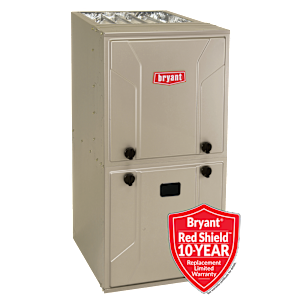
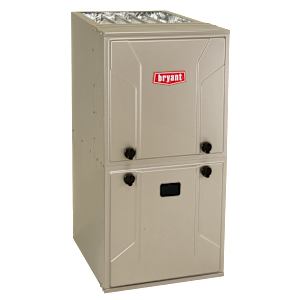
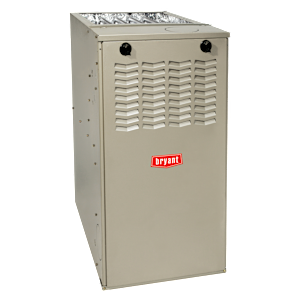
Choose a Bryant furnace for reliable, efficient heating that keeps your home comfortable throughout the winter. Known for their durability and advanced technology, Bryant furnaces offer quiet operation, precise temperature control, and energy-saving features like variable-speed motors and two-stage heating. With a range of models to suit different home sizes and needs, Bryant furnaces are built to last and come with industry-leading warranties, providing peace of mind and long-term value for your home heating system.
Furnace Replacement Cost FAQs
A standard furnace installation typically takes between 4 to 8 hours, depending on the complexity of the job and whether significant ductwork modifications are required.
Not always. While some quotes may bundle a new thermostat, it is often considered an add-on. However, replacing an old thermostat with a modern smart thermostat is highly recommended to maximize the efficiency of your new system.
Because installation variables like ductwork and local labor rates differ significantly, you must connect with a local Bryant dealer. They will perform an in-home assessment to provide a precise furnace replacement quote.
Yes. Furnaces older than 20–25 years are usually much less efficient than modern models. Replacing a 30-year-old furnace can improve comfort, reduce energy bills, and prevent unexpected breakdowns.
Most furnaces last 15–25 years, depending on maintenance, usage, and fuel type. Proper annual maintenance can extend the life of your system.
The spring and early summer months are often the best time to buy. Demand is lower, so dealers may offer promotions or discounts. Avoid the peak heating season in winter when prices and installation times are higher.
For a typical 2,000 sq. ft. home, furnace costs (equipment + installation) usually range from $4,000–$8,000 depending on fuel type, efficiency, system size, and features. High-efficiency or advanced models can cost more upfront but save on energy bills over time.
Yes. Local utility companies and government programs often offer rebates for qualifying high-efficiency furnace installations. Ask your Bryant dealer about available incentives before finalizing your purchase.


