About The Author: Travis Baugh is a Digital Brand Marketing Manager for Bryant, where he creates clear, helpful content to guide homeowners through heating, cooling, and indoor air quality decisions. His goal is to empower readers with the knowledge they need to choose the right comfort solutions for their home—confidently and comfortably.
How to Fix Refrigerant Leak AC Unit Issues: The Ultimate Guide
To fix a refrigerant leak in an AC unit, a certified HVAC technician, such as a Bryant dealer must locate the source of the leak using electronic detectors, repair or replace the damaged coil or copper line, test the system for pressure integrity, and recharge the unit with the correct amount of refrigerant. Addressing leaks promptly can help restore your system's efficiency and cooling performance.
When your air conditioning system loses its cooling power, a refrigerant leak is often the primary suspect. Refrigerant is a key part of your HVAC system, absorbing heat from inside your home and releasing it outdoors. Without the proper refrigerant charge, your AC cannot perform its essential function. This comprehensive guide will explain how to identify, address, and fix refrigerant leak AC unit problems, ensuring your home remains comfortable and your system can operate as designed.

What Is Refrigerant Leak Repair?
A refrigerant leak repair is the process of locating and repairing a leak in an air conditioner's sealed refrigerant circuit, testing the repair, evacuating the system as needed, and restoring the refrigerant charge to the manufacturer's specified level. Bryant recommends having a qualified HVAC professional perform this work on Bryant systems.
What Causes a Refrigerant Leak in an Air Conditioner?
A refrigerant leak in an AC unit is typically caused by the natural wear and tear of copper lines, corrosion from environmental or chemical exposure, or physical damage to the system's condenser or evaporator coils. Over time, corrosion can create small openings in the metal, allowing the pressurized refrigerant to escape.
Understanding the root cause is the first step toward progress. Your Bryant air conditioning system operates under high pressure, meaning even the smallest vulnerability in the sealed refrigerant loop can lead to a gradual loss of cooling capacity. Environmental factors, such as salt in coastal air or chemical cleaning products used indoors, can accelerate coil degradation.
Signs You Need to Fix Refrigerant Leak AC Unit Problems
You need to fix a refrigerant leak in your AC unit if you notice warm air blowing from your vents, a sudden spike in your monthly energy bills, ice building up on the indoor evaporator coil, or a faint hissing sound coming from the HVAC equipment. These symptoms can indicate low refrigerant, although other HVAC problems can cause similar symptoms.
Recognizing the symptoms early is crucial for maintaining a healthy and sustainable home environment. Here are the most common signs to watch for:
- Decreased Cooling Power: If your Bryant AC is running constantly but your home never reaches the set temperature on your thermostat, low refrigerant is a likely culprit. The system is struggling to remove heat when its refrigerant charge is too low.
- Frozen Evaporator Coils: Refrigerant absorbs heat. When the pressure drops due to a leak, the temperature of the remaining refrigerant drops too, causing condensation on the coils to freeze into a block of ice. However, restricted airflow and other problems can also cause a frozen coil.
- Hissing or Bubbling Noises: A hissing sound may indicate refrigerant escaping from a leak in the system.
- Elevated Humidity Levels: HVAC systems are designed to optimize homes for both temperature and humidity control. If your home suddenly feels clammy or uncomfortably humid, a leak may be affecting your system's cooling and dehumidification performance.
- Soaring Energy Bills: When a system is low on refrigerant, the compressor may need to operate longer to meet the thermostat setting, which can increase energy use.
The Impact on Home Health, Comfort, and Energy Efficiency
Ignoring a refrigerant leak compromises your home's comfort, can reduce system efficiency, and can lead to premature compressor failure. Additionally, releasing certain refrigerants into the atmosphere contributes to greenhouse gas emissions, negatively impacting environmental sustainability.
When an air conditioner operates with low refrigerant, the compressor—the heart and most expensive component of your system—can be placed under additional operating stress as the system works to maintain the desired indoor temperature. This not only shortens the lifespan of your AC unit but also causes a massive drop in energy efficiency.
Furthermore, depending on the age of your system, it may use R-22 (Freon), R-410A (Puron), or R-454B (Puron Advance), all of which require appropriate handling and service procedures. EPA Section 608 regulations require technicians who service stationary air-conditioning equipment to meet applicable certification and refrigerant-handling requirements.
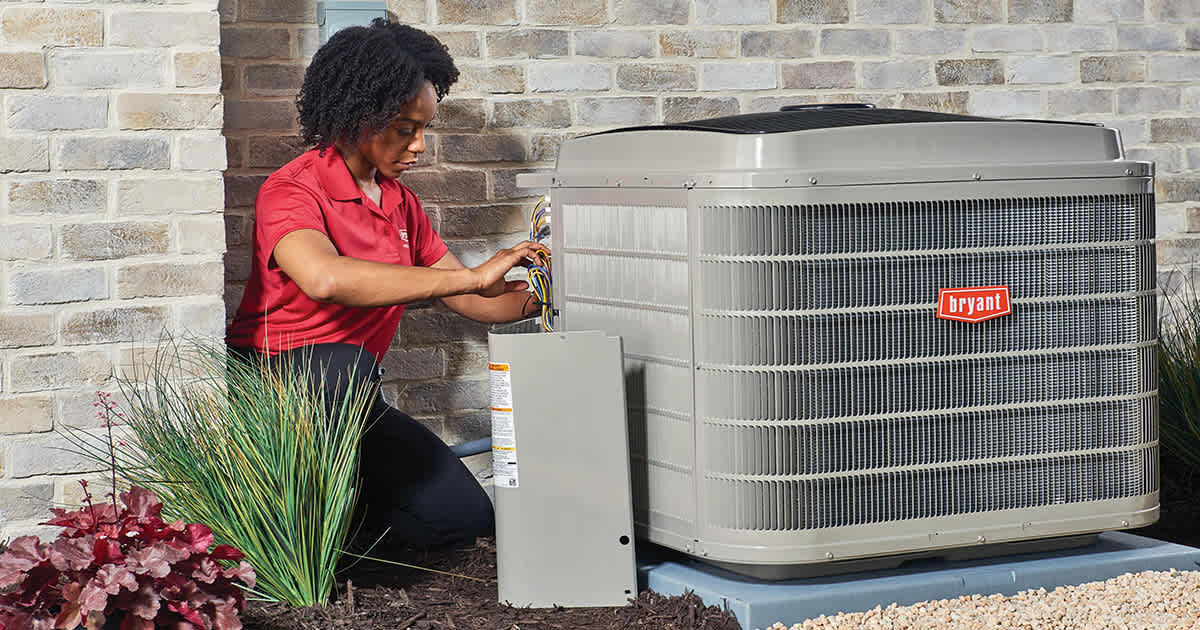
How Professionals Fix Refrigerant Leak AC Unit Systems
To fix a refrigerant leak in an AC unit, Bryant dealers and other qualified HVAC professionals follow a systematic procedure: they locate the leak using appropriate leak-detection equipment, recover any remaining refrigerant, repair the leak by repairing the affected line or replacing the damaged component, perform a pressure test, evacuate the system as needed, and finally recharge the unit with the manufacturer-specified refrigerant and charge.
This meticulous process ensures that the HVAC repair addresses the source of the refrigerant loss rather than simply adding refrigerant. Here is a detailed breakdown of how a Bryant dealer or other qualified HVAC professional resolves the issue:
- Locating the Leak: A Bryant dealer uses advanced diagnostic tools. Electronic leak detectors (sniffers) can sense the presence of refrigerant gas in the air. Alternatively, UV dye is injected into the system; as it circulates, the dye escapes at the leak site and glows under a UV light, pinpointing the exact location.
- Recovering Remaining Refrigerant: Before servicing the refrigerant circuit, the technician follows applicable EPA Section 608 requirements and uses appropriate recovery equipment to remove refrigerant from the Bryant system. Intentionally venting regulated refrigerants during service is prohibited under federal requirements.
- Repairing the Leak: Depending on the size and location, the Bryant dealer may repair the affected copper line or replace a damaged component, such as an evaporator or condenser coil. The appropriate repair depends on the location and severity of the leak and the condition of the component.
- Pressure Testing: Once the repair is made, the technician pressure-tests the repaired refrigerant circuit using an appropriate inert gas and follows the equipment manufacturer's service requirements. The purpose of the test is to verify that the repaired system can maintain pressure and that the leak has been addressed.
- Evacuation and Vacuuming: After pressure testing, the Bryant dealer evacuates the system as required to remove air and moisture before charging it with refrigerant. Proper evacuation helps prepare the sealed refrigerant circuit for the final charge and system operation.
- Recharging the System: Finally, the Bryant dealer restores the refrigerant charge using the type and amount specified for the specific Bryant system. The technician then verifies system operation and performance to ensure the repaired AC is operating properly.
Can You Fix a Refrigerant Leak Yourself?
No, you should not fix a refrigerant leak yourself. Handling HVAC refrigerants requires specialized training and applicable EPA Section 608 certification, as these chemicals are regulated due to their environmental impact. EPA regulations establish certification and refrigerant-handling requirements for technicians who service stationary air-conditioning equipment.
While it is tempting to look for a quick fix, such as using over-the-counter refrigerant sealants (often called "stop leak"), these products are not a substitute for locating and repairing the source of a refrigerant leak. Always trust a certified HVAC professional for AC repair to deliver a safe, lasting solution. Schedule AC service with your local Bryant dealer today.
AC Refrigerant Leak FAQs
The cost to fix a refrigerant leak ranges from $250 to $1,6001, depending on the severity of the leak, the cost of the specific refrigerant required, and whether a simple braze repair or a major component replacement (like an evaporator coil) is needed.
1 https://www.angi.com/articles/ac-freon-leak-repair-cost.htm
A well-maintained AC unit can last 15 to 20 years without developing a refrigerant leak. Regular annual AC maintenance, changing air filters, and keeping the coils clean greatly reduce the risk of corrosion and leaks.
Not necessarily. If your Bryant system is relatively new and the leak is accessible, an AC repair is the best route. However, if the system is over 12-15 years old and uses phased-out R-22 refrigerant, upgrading to a modern, sustainable system is often the more cost-effective choice.
No, simply adding refrigerant (known as "topping off") is a temporary bandage, not a solution. The new refrigerant will eventually leak out again, costing you more money over time and continually harming the environment.


