What Is an Oil Furnace?
An oil furnace is a forced-air heating system that burns liquid heating oil to generate heat, which is then distributed through a home's ductwork. It operates utilizing a fuel storage tank, a burner to ignite the oil, a heat exchanger to warm the air, and a blower fan to circulate that heat into your living spaces. Bryant oil furnaces currently offer heating capacities of 77,000 to 154,000 BTUH, depending on the model.
For homeowners in colder climates or rural areas without access to natural gas infrastructure, oil furnaces remain a practical heating option where heating oil is readily available. They are known for high heat output and can provide consistent warmth during cold weather.
How Does an Oil Furnace Work?
An oil furnace works by converting liquid heating oil into hot gases through a precise combustion process, which then safely warms the air circulated throughout your home. The system draws oil from a dedicated tank, atomizes it into a fine mist, ignites it to create hot gases, and uses those gases to heat the air.
Here is the step-by-step process of how an oil furnace heats your home:
- Fuel Storage: Heating oil is stored in a dedicated tank located inside or outside the home.
- Ignition: When the thermostat detects a drop in temperature, the burner pump draws oil from the tank, atomizes it into a fine mist, and mixes it with air.
- Combustion: This carefully calibrated mixture is ignited within the combustion chamber, creating hot combustion gases.
- Heat Exchange: These gases pass through the heat exchanger, which heats the surrounding air without ever letting the dangerous combustion gases mix with the breathable air inside your home.
- Distribution: The blower fan pushes this warmed air through ducts to vents in various rooms, while cooler air is drawn back to the furnace to be reheated.
Key Components of an Oil Furnace
The core components of an oil furnace include the burner, heat exchanger, blower fan, and fuel tank, which all work in unison to provide safe, efficient heating.
- Burner: Initiates the combustion process by mixing oil and air.
- Heat Exchanger: Transfers heat from the combustion chamber to the clean, circulating air.
- Blower Fan: Circulates the heated air through the home's ductwork.
- Fuel Tank: Stores the heating oil supply safely until it is needed.

What Are the Benefits of Using an Oil Furnace?
Oil furnaces offer high heat output and can provide reliable heating for homes where heating oil is an available fuel source. For many homeowners, the decision comes down to fuel availability, heating needs, installation requirements, and operating costs.
1. High Heat Output
Oil has a high energy content and can produce high combustion temperatures. Under theoretical combustion conditions, light fuel oil reaches about 3,820°F compared with about 3,560°F for natural gas. Actual furnace performance depends on the burner, combustion conditions, and system design
2. Energy Efficiency
Innovation in modern heating technology means today's oil furnaces are available with a range of efficiency ratings. Bryant oil furnaces currently reach up to 87.5% AFUE, meaning up to 87.5% of the fuel's energy is converted into useful heat over a typical heating season.
Bryant's Preferred™ Series OVL oil furnace reaches up to 87.5% AFUE, while the Preferred Series OVM Oil Furnace reaches up to 86.4% AFUE.
3. Independence and Availability
If you live in an area without access to a natural gas pipeline, an oil furnace can provide a heating option that uses an on-property fuel tank. Because the fuel is stored on-site, homeowners can schedule oil deliveries based on their household's heating needs and local delivery availability.
4. Longevity and Durability
Built to withstand rigorous use, oil furnaces are incredibly durable and long-lasting. With proper, regular maintenance, they offer an exceptional service life. Many premium units, such as the Bryant Legacy™ Line, are engineered with stainless steel combustion chambers to resist corrosion and maximize heat transfer efficiency for years to come. A practical planning range of approximately 15 to 25 years is therefore reasonable, although actual service life varies with equipment quality, installation, maintenance, climate, and usage.
6 Factors To Consider When Choosing An Oil Furnace
Choosing an oil furnace requires evaluating your home's heating load, efficiency goals, fuel-storage needs, and available installation space. Consider these six factors before making a purchase.
1. Heating Capacity (BTUs)
Ensure the unit has the correct BTU (British Thermal Unit) rating for your home's heating load. An undersized unit won't keep up with the winter cold, while an oversized unit will cycle on and off too frequently, which can reduce efficiency and comfort.
Rather than sizing a furnace based only on square footage, a qualified contractor should perform a heating-load calculation. Bryant recommends a Manual J load calculations by a local Bryant dealer to determine the heating and cooling loads needed for equipment selection.
2. Efficiency Rating (AFUE)
Look for a high AFUE (Annual Fuel Utilization Efficiency) rating. Bryant oil furnaces currently range up to 87.5% AFUE, depending on the model. A higher AFUE rating indicates that a greater percentage of the fuel's energy is converted into useful heat over the heating season.
3. Fuel Storage Needs
Assess the size and condition of your oil tank. You'll need sufficient storage to get through winter storms, and you should consider local delivery schedules and costs.
4. Physical Size
Measure your installation space. Some modern units are compact, but you must ensure there is enough room for airflow and maintenance access. For example, Bryant offers low-boy oil furnace models designed for installations with lower-clearance requirements.
5. Maintenance Requirements
Regular furnace maintenance is crucial for longevity. Check if the model has easy access to filters and burners for cleaning and annual service.
6. Noise Levels
If your furnace is located near bedrooms or living spaces, sound levels are a priority. Features such as insulated cabinet walls, multi-speed or variable-speed blowers, and flue silencer baffles can help reduce operating noise. Select Bryant oil furnace models include these features.

Connect With A Bryant Dealer On Oil Furnaces
Connecting with a Bryant dealer can help ensure your oil furnace is properly sized, installed, and maintained for your home's heating needs. Working with a knowledgeable professional helps you choose equipment that fits your home's heating load, installation requirements, and fuel needs.
1. Expert Advice and Recommendations
Bryant dealers are trained to assess your home's specific heating requirements and recommend an oil furnace based on factors such as heating load, efficiency, installation space, and budget. They can help you evaluate options based on your layout, insulation, and local climate.
2. High-Quality Bryant Products
Bryant offers multiple oil furnace models across its Preferred™ Series and Legacy™ Line, with current models reaching up to 87.5% AFUE. By connecting with a Bryant dealer, you gain access to oil-furnace options designed for different installation requirements and heating needs.
3. Professional Installation
A Bryant dealer provides professional installation services, ensuring your oil furnace is set up correctly for optimal performance. Proper installation is key to maximizing energy efficiency and supporting reliable operation throughout the heating season. Learn more about furnace installation.
4. Maintenance and Support
Bryant dealers offer comprehensive ongoing maintenance and support services, helping you keep your oil furnace running reliably and efficiently. Regular maintenance can also help identify worn components and potential operating issues before they result in unexpected breakdowns.
5. Energy Efficiency and Cost Savings
A Bryant dealer can help you select an oil furnace with an AFUE rating appropriate for your home's heating needs and installation requirements. They can also provide tips for using your furnace efficiently and offer service plans that can help maintain system performance.
By connecting with a Bryant dealer for your oil furnace needs, you can get professional guidance on equipment selection, installation, and maintenance to help keep your home warm and comfortable throughout the cold months. Schedule an appointment with a Bryant dealer today.
Learn More About Furnaces
- Learn about furnace repair
- Explore furnace replacement
- Read our guide to furnace parts
- Learn how much is a new furnace
- Read our guide to furnace service
- Discover the value of a high efficiency furnace
Explore Bryant Oil Furnaces
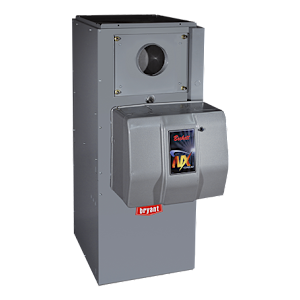
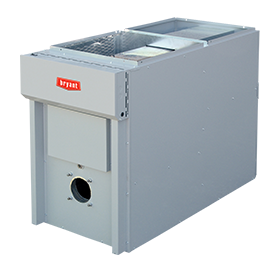
Choose a Bryant oil furnace for reliable, highly efficient heating, especially in homes without access to municipal natural gas. Known for their rugged durability and advanced technology, Bryant oil furnaces provide consistent, powerful warmth even in the coldest winter conditions.

Oil Furnace FAQs
Yes, oil furnaces can at times be more expensive to run than gas or electric systems due to fluctuating fuel prices and the need for regular fuel deliveries and maintenance.
Yes, oil furnaces are still manufactured, though they are less common today, mainly used in rural areas where natural gas is not available.
It may be worth replacing your oil furnace if it's older, inefficient, or if you have access to cheaper and cleaner energy sources like natural gas or a heat pump.
With proper annual maintenance, a high-quality oil furnace can last between 15 to 25 years. Routine filter changes and professional burner cleanings are essential to maximizing this lifespan.
An oil furnace can sometimes be converted to run on natural gas, but it depends on the specific furnace model and condition. In many cases, a technician can install a gas conversion burner that replaces the oil burner while keeping the rest of the furnace intact. However, not all oil furnaces are designed for safe conversion, and older units may not meet current safety or efficiency standards.


