HVAC Installation: Guide to Costs, Process & Expert Tips
What is HVAC installation?
What Should I Consider Before HVAC Installation?
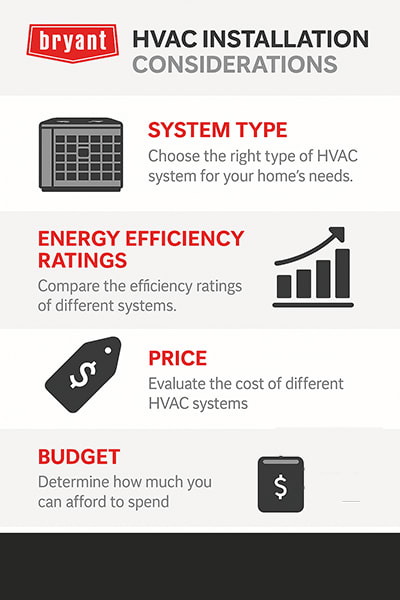
1. The Right Type of HVAC System
- Central Heating and Cooling: Ideal for homes with existing ductwork, central systems are often the most cost-effective way to manage the temperature of an entire house. They provide a comprehensive, unified solution for consistent, quiet comfort.
- Ductless Mini Splits: Great for homes where traditional ductwork isn't feasible, or for room additions. Ductless mini splits offer precision zoning, allowing you to customize the temperature in individual rooms for personalized comfort and reduced energy waste.
- Packaged Products: When indoor space is limited, a packaged HVAC system combines heating and cooling components into a single outdoor unit, freeing up valuable square footage inside your home without sacrificing performance.
2. Energy Efficiency Ratings
3. Proper System Sizing
Size matters for efficiency and durability. An undersized unit will run constantly to keep up, while an oversized unit will cycle on and off frequently, wasting energy and failing to properly dehumidify the air. Always rely on a professional to perform a proper load calculation to match the system size to your home's insulation and layout.
“If you have the wrong size equipment on the house, it could not work or it could fail faster,” Samantha Houchin, owner of The Weather Changers in Denver, Colorado, said.
Always rely on a professional to perform a proper load calculation to match the system size to your home's insulation and layout.
4. Your Budget

How Much Does HVAC Installation Cost?
- Home Size: Larger homes require more powerful systems (measured in tons), which increases equipment costs.
- System Type: A simple unit swap is generally cheaper than installing a completely new ductless system or modifying extensive ductwork.
- Efficiency Levels: Systems with advanced technology and higher efficiency ratings command a premium but offer lower operating costs over time.
Why Hire a Professional for HVAC Installation?
HVAC installation is not a DIY project; it must be handled by licensed experts. It requires safely navigating high-voltage electricity, pressurized refrigerants, and complex gas or ductwork connections that must meet strict local building codes.
Hiring a certified professional offers three undeniable advantages for homeowners:
- Optimal Performance: Professionals ensure the system is calibrated correctly, preventing future issues like poor airflow, system noise, or uneven cooling.
- Safety and Code Compliance: Licensed installers strictly adhere to safety regulations, protecting your home and family from potential hazards.
- Warranty Protection: Most manufacturer warranties explicitly require professional installation. A DIY attempt could void your coverage, leaving you entirely unprotected against future HVAC repairs.
Schedule An HVAC Installation With Your Bryant Dealer
HVAC Installation FAQs
- Find out more about HVAC service
- Learn how long HVAC systems work
- Discover HVAC options for old houses
- Explore HVAC zoning systems


