About The Author: Travis Baugh is a Digital Brand Marketing Manager for Bryant, where he creates clear, helpful content to guide homeowners through heating, cooling, and indoor air quality decisions. His goal is to empower readers with the knowledge they need to choose the right comfort solutions for their home—confidently and comfortably.
Home AC Recharge
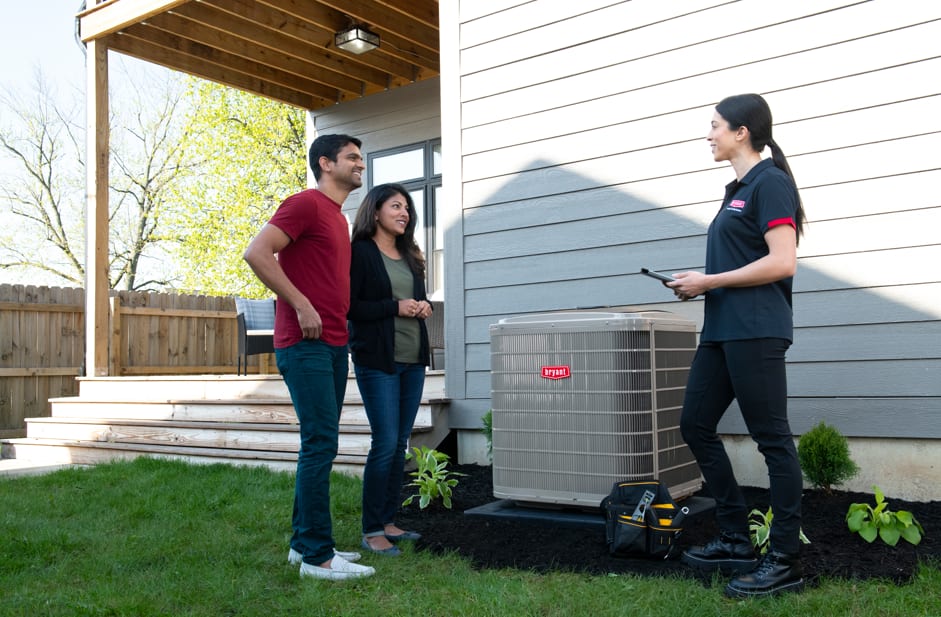
A home AC recharge is the process of replenishing the chemical refrigerant in your air conditioning system to its optimal and factory-specified level. This critical AC service step ensures your system cools efficiently, uses less energy, and maintains a comfortable indoor environment for you and your family.
As a homeowner, understanding when and how to manage your refrigerant levels is key to maximizing the lifespan of your AC system. Over time, air conditioners may develop microscopic leaks in their copper lines or coils. When this happens, the system loses the vital fluid it needs to absorb heat from inside your house and transfer it outside.
Recharging the system doesn’t just mean topping off a liquid; it requires a comprehensive approach to identifying the source of the refrigerant leak, repairing it securely, and then carefully restoring the refrigerant to the exact pressure required by the manufacturer.
How Does a Home AC Recharge Work?
A home air conditioner recharge works by connecting specialized manifold gauges to the service valves on your air conditioner's outdoor compressor to measure the current pressure, vacuuming out any remaining air or moisture, and meticulously adding the correct type of chemical coolant. This process restores the system's thermodynamic ability to absorb heat from inside your home and efficiently release it outside.
The recharge process begins with a thorough inspection. A certified HVAC technician will first test the system to confirm that low refrigerant is indeed the problem, rather than a failing compressor or an electrical issue. Once confirmed, they use an electronic leak detector or a UV dye to pinpoint exactly where the refrigerant is escaping. Fixing the leak is mandatory; otherwise, any new refrigerant added during the home air conditioner recharge will simply leak out again.
After the AC repair, the technician connects a vacuum pump to remove any non-condensable gases and moisture from the lines. This is a crucial step, as moisture mixing with refrigerant creates an acid that can destroy the compressor from the inside out. Finally, the system is recharged with the precise weight of refrigerant (typically R-454B in models installed since 2025 and R-410A for models installed before then) while the technician monitors subcooling and superheat temperatures to ensure peak operational efficiency.
Signs Your Air Conditioner Needs a Recharge
The most common sign your air conditioner needs a home AC recharge is when the vents blow warm or room-temperature air instead of cold air. Other clear indicators include ice buildup on the indoor evaporator coil or outdoor refrigerant lines, a hissing noise from the unit, and unusually high energy bills.
If you are experiencing a loss of cooling power, do not ignore it. Running an air conditioner with low refrigerant forces the compressor to work twice as hard to cool your home, which can lead to a catastrophic and expensive AC repair. Here are the primary signs to watch for:
- Warm Air from Vents: If the air coming from your supply registers feels tepid, the system lacks the refrigerant needed to absorb indoor heat.
- Frozen Evaporator Coils: Low refrigerant drops the pressure inside the evaporator coil, causing its temperature to plummet below freezing. The moisture in your indoor air then freezes onto the coil, creating a block of ice.
- Hissing or Bubbling Sounds: A hissing sound typically indicates a refrigerant leak in a gaseous state, while a bubbling sound suggests a leak in the liquid line.
- Spikes in Energy Bills: When the system is low on refrigerant, it will run continuously in a futile attempt to reach the temperature set on your thermostat. This constant operation significantly drives up your monthly electrical costs.
DIY vs. Professional Home Air Conditioner Recharge
Professional AC recharging is better suited for certified technicians who possess EPA section 608 certification and specialized diagnostic tools, while DIY solutions are strongly discouraged due to severe safety risks, potential equipment damage, and legal restrictions on handling refrigerants.
Attempting a DIY home AC recharge is fundamentally different from adding coolant to a car. Home HVAC systems operate at extremely high pressures and require precise, mathematically calculated measurements of refrigerant. Adding too much refrigerant (overcharging) is just as damaging as having too little, as it can cause liquid refrigerant to enter the compressor—a condition known as "slugging"—which instantly destroys the internal valves.
Furthermore, the Environmental Protection Agency (EPA) heavily regulates the sale and handling of refrigerants due to their environmental impact. Only licensed professionals are legally permitted to purchase the refrigerants used in residential cooling systems. By relying on your local Bryant dealer, you ensure the job is done safely, legally, and correctly the first time.
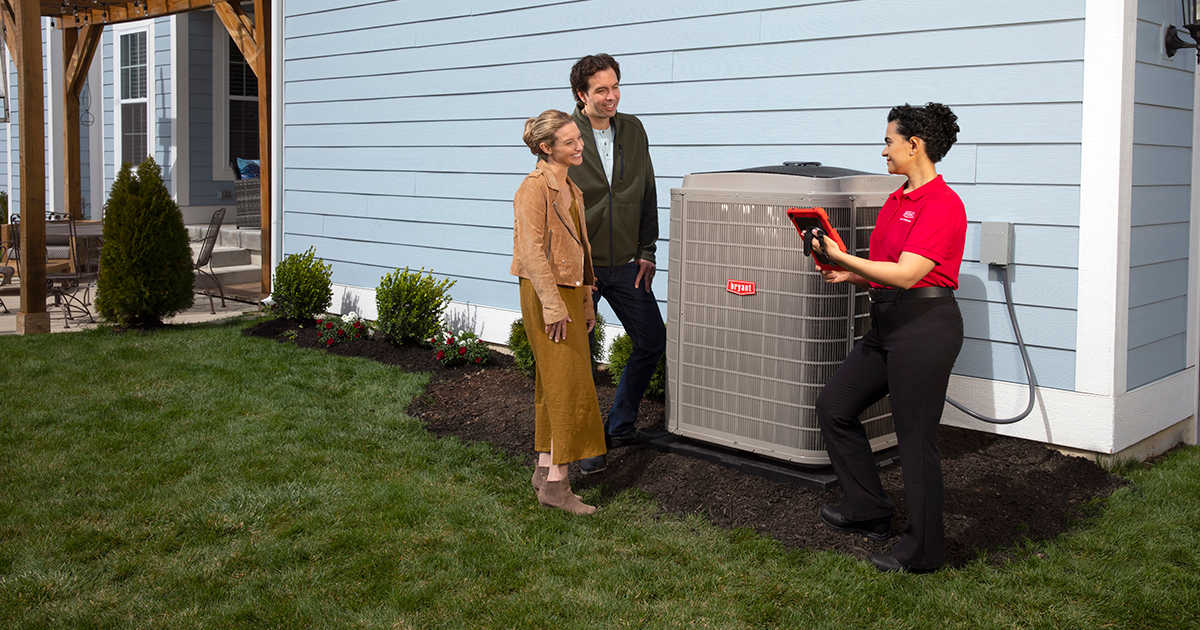
The Environmental Impact of Refrigerant Leaks
Recharging an AC unit isn't just about adding more coolant to restore comfort; it is fundamentally about finding and fixing leaks to prevent harmful chemicals from escaping into the atmosphere. Proper refrigerant management is a critical component of environmental stewardship.
Older air conditioners may still utilize R-22 (Freon), an ozone-depleting substance that has been globally phased out. Modern Bryant systems use R-410A, which does not deplete the ozone layer but still acts as a greenhouse gas if released into the air. This is why repairing leaks prior to performing a home AC recharge is so crucial. Bryant is committed to pioneering sustainable technologies, and we encourage all homeowners to schedule annual preventative AC maintenance. Routine maintenance helps catch microscopic leaks early, reducing environmental impact and saving you money on major AC repairs.
AC Recharge FAQs
No, you cannot legally or safely add Freon to a home air conditioner yourself. Handling residential HVAC refrigerants requires EPA certification, and improper handling can cause severe injury or permanent damage to the compressor.
A professional home AC recharge typically costs between $200 and $6001, depending on the type of refrigerant required, the size of the unit, and the severity of the leak repair needed.
1 https://www.angi.com/articles/home-ac-recharge-cost.htm
A home AC unit should theoretically never need a recharge unless there is a physical leak in the system. Refrigerant is not consumed like gas in a car; it operates in a closed, pressurized loop.
Yes, Bryant recommends scheduling a professional AC tune-up at least once a year in the spring. During this visit, technicians clean the coils, check electrical connections, and measure refrigerant pressures to catch minor issues before they become major leaks.


