What Is a Reversing Valve in a Residential Heat Pump?
A reversing valve is the component inside a heat pump that switches the system between heating and cooling mode. By changing the direction of refrigerant flow, it allows a single unit to both warm your home in winter and cool it in summer. Without a functioning reversing valve, a heat pump cannot perform both functions.
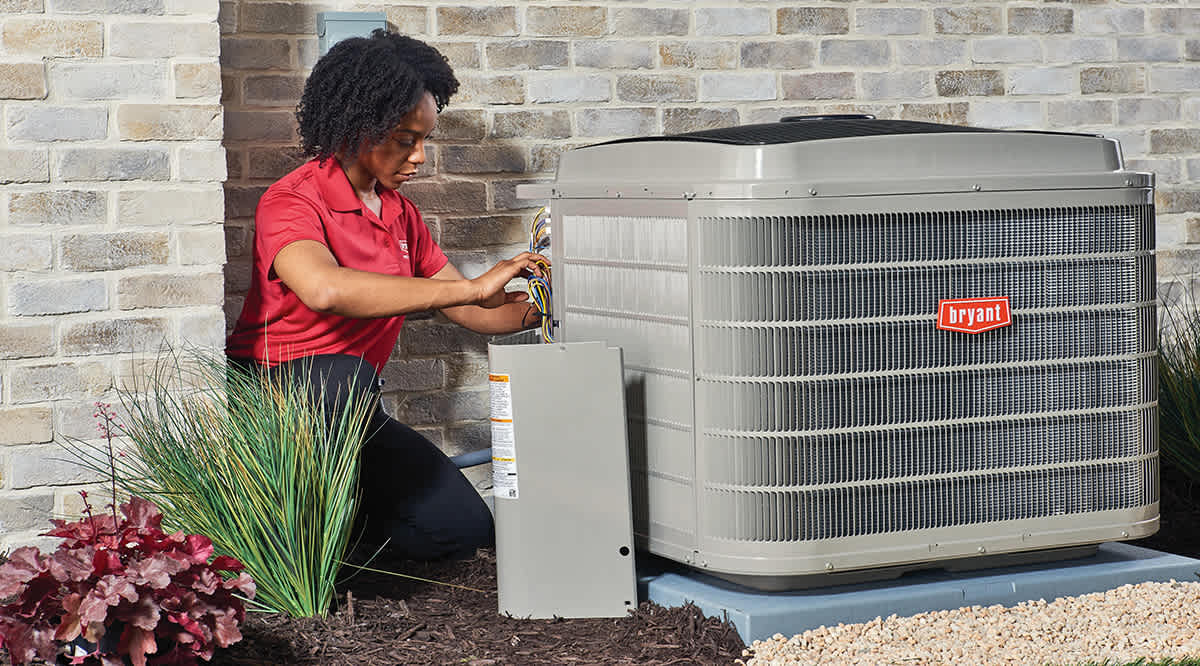
How Does a Reversing Valve Work?
A reversing valve works by redirecting the flow of refrigerant through the heat pump's refrigerant circuit. In cooling mode, refrigerant absorbs heat from inside the home and releases it outdoors. In heating mode, the valve reverses that flow — the system extracts heat energy from outdoor air and moves it inside.
The valve is controlled by a solenoid, a small electromagnetic coil that shifts the valve's internal slide mechanism when it receives a signal from the thermostat. Most residential heat pumps are wired so that the solenoid is energized in cooling mode, though this can vary by manufacturer.
Key components of a reversing valve:
- Valve body – Houses the internal slide that directs refrigerant flow
- Solenoid coil – Receives an electrical signal to shift the valve
- Pilot valve – Uses refrigerant pressure to move the main slide
- Four connecting ports – Link to the compressor, condenser, evaporator, and accumulator
Learn more about how a heat pump works.
Why Is the Reversing Valve Important for Heat Pumps?
The reversing valve is what makes a heat pump fundamentally different from a standard air conditioner. A central air conditioner can only remove heat from a space. A heat pump, by contrast, can move heat in either direction — and the reversing valve is the mechanism that makes this possible.
For homeowners in moderate climates, this means year-round comfort from a single system, often at a lower operating cost than separate heating and cooling units.
Common Reversing Valve Problems: Symptoms and Causes
A faulty reversing valve is one of the more common heat pump service issues. Because the valve operates under high refrigerant pressure and is subject to wear over time, problems can develop gradually or appear suddenly.
Is My Heat Pump Stuck in Heating or Cooling Mode?
If a heat pump is stuck in one mode and won't switch, a failed reversing valve is the most likely cause. Specifically, the solenoid coil may have burned out, preventing the valve from shifting position.
Common symptoms of a failing reversing valve include
- Heat pump blows cool air in heating mode (or warm air in cooling mode)
- System is stuck in heating or cooling regardless of thermostat settings
- Unusual hissing or whooshing sounds near the outdoor unit
- Refrigerant bypassing through the valve (detectable as reduced efficiency)
- The system cycles on but provides no noticeable temperature change
What Causes a Reversing Valve to Fail?
Reversing valve failure typically results from one of three causes:
- Failed solenoid coil – The coil burns out and can no longer shift the valve. This is the most common failure and is often repairable without replacing the full valve.
- Stuck slide mechanism – The internal slide becomes lodged due to debris, refrigerant contamination, or mechanical wear.
- Refrigerant leak within the valve – The valve body develops internal bypass, allowing refrigerant to flow in the wrong direction even when the slide is correctly positioned.
Reversing Valve Repair vs. Replacement: Which Is Right for Your Heat Pump?
Whether to repair or replace a reversing valve depends on what component has failed and the age of the system.
- Solenoid coil replacement is appropriate when the valve body is intact and only the coil has failed. This is a lower-cost repair and is suitable for systems less than 10 years old.
- Full valve replacement is recommended when the valve body is leaking internally, the slide is permanently stuck, or the system is older and approaching end-of-life. Full replacement requires recovering the refrigerant, brazing in a new valve, and recharging the system — a job that must be performed by a licensed HVAC technician.
A reversing valve that is still partially functional but leaking internally may be difficult to diagnose without professional equipment. An HVAC technician can use temperature differential readings across the valve ports to confirm internal bypass.
How Long Does a Reversing Valve Last?
A reversing valve in a well-maintained residential heat pump can last 10–20 years. Lifespan is influenced by the quality of the original valve, refrigerant cleanliness, and how frequently the system switches between heating and cooling modes. Systems in climates that experience frequent seasonal transitions tend to cycle the valve more often, which can accelerate wear.
Can a Homeowner Replace a Reversing Valve?
No. Reversing valve replacement requires handling refrigerants, which is regulated under EPA Section 608 in the United States. Only certified HVAC technicians are legally permitted to recover, handle, and recharge refrigerants. Attempting this repair without certification is illegal and potentially dangerous. Work with your local Bryant dealer to fix any issues you have with a reversing valve and answer any questions you may have.
About The Author: Travis Baugh is a Digital Brand Marketing Manager for Bryant, where he creates clear, helpful content to guide homeowners through heating, cooling, and indoor air quality decisions. His goal is to empower readers with the knowledge they need to choose the right comfort solutions for their home—confidently and comfortably.


