About The Author: Travis Baugh is a Digital Brand Marketing Manager for Bryant, where he creates clear, helpful content to guide homeowners through heating, cooling, and indoor air quality decisions. His goal is to empower readers with the knowledge they need to choose the right comfort solutions for their home—confidently and comfortably.
4 Zone Mini Split: Cost, Installation & Benefits Guide
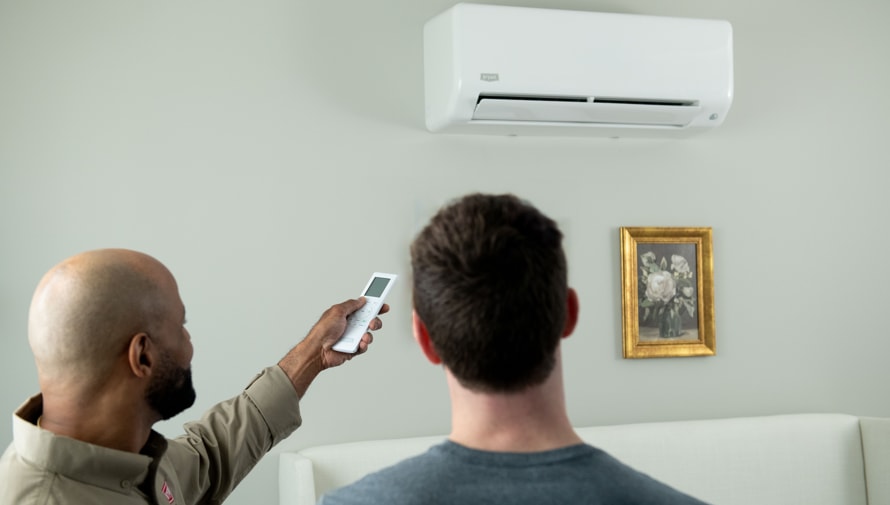
A 4 zone mini split is a ductless heating and cooling system that connects one outdoor compressor to four individual indoor air handling units. This advanced configuration allows homeowners to independently control the temperature in four distinct areas, or "zones," of their home.
By eliminating the need for extensive ductwork, a 4 zone mini split offers an elegant, high-performance solution for comprehensive climate control. Traditional central air systems force air through ducts, which can lead to significant energy loss and uneven temperatures. In contrast, ductless solutions deliver conditioned air directly into the specific rooms where you need it most. This targeted approach not only enhances personal comfort but also significantly improves overall energy efficiency.
How Does a 4 Zone Mini Split Work?
A 4 zone mini split works by pumping refrigerant between a single outdoor condenser and four separate indoor units via small refrigerant lines. Each indoor unit actively monitors and adjusts the specific climate of its designated room, operating independently from the others.
The outdoor unit houses the compressor, which is the heart of the system. It uses inverter technology to continuously adjust its speed, providing precisely the right amount of heating or cooling needed at any given moment. This is a stark contrast to older, single-speed HVAC systems that turn completely on or off, causing temperature swings and wasting power.
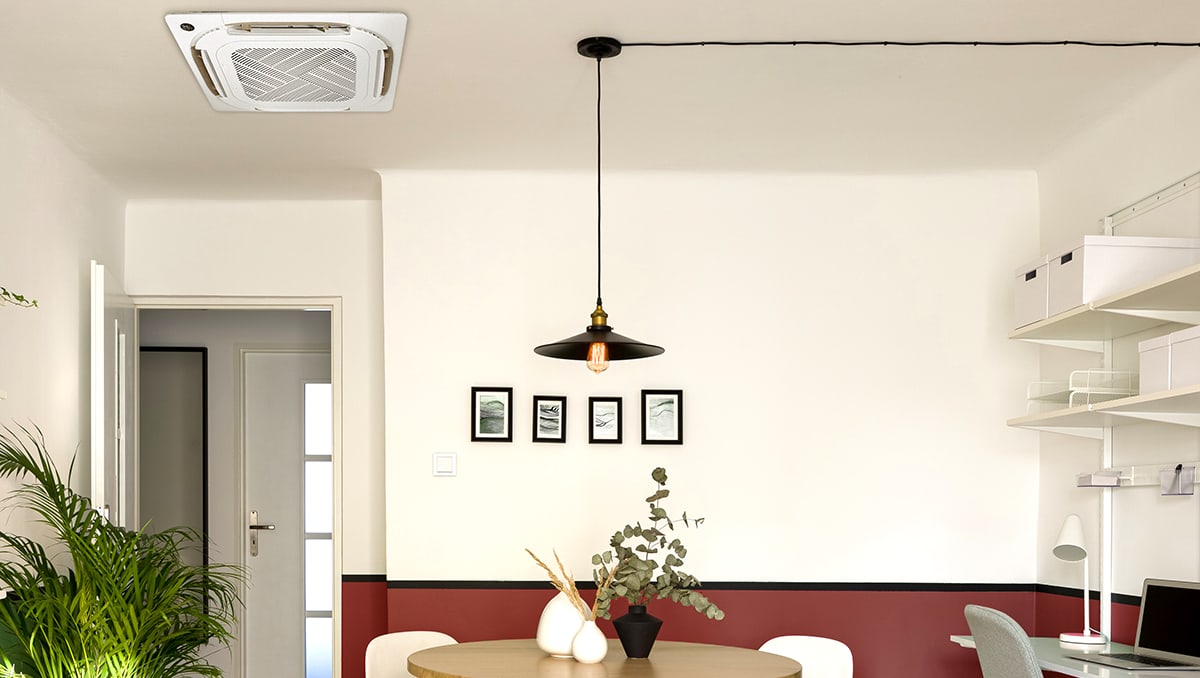
The four indoor units—which can be mounted high on a wall, concealed in a ceiling, or placed near the floor—draw in warm room air, absorb the heat using the refrigerant, and blow cooled (or heated) air back into the space. Because each unit has its own thermostat, you can keep the living room at a crisp 70 degrees while leaving an unoccupied guest room unconditioned. This seamless, reliable performance ensures that your home remains comfortable precisely where and when you need it. Learn more about what is a mini split.
What is the Cost of a 4 Zone Mini Split?
The cost of a 4 zone mini split typically ranges from $4,500 to $9,000 for the equipment, with total installation costs pushing the final investment to between $7,000 and $15,0001 depending on the complexity of the project. While the initial costs might be higher than standard central AC replacements, the long-term savings on energy bills make it a worthwhile investment.
When evaluating the cost of a 4 zone mini split, it is important to break down the expenses into equipment, labor, and long-term return on investment (ROI).
- Equipment Costs: High-efficiency ductless mini splits from trusted leaders naturally carry a premium over basic units. However, these systems feature advanced inverter technology, superior air filtration, and smart connectivity. Investing in durable, high-tier equipment ensures reliable performance and longevity.
- Installation and Labor: Because these systems require no ductwork, mini split installation is generally less invasive than installing central air from scratch. However, running refrigerant lines, electrical wires, and drainage tubes to four separate locations requires a skilled, licensed professional. Proper installation is critical to achieving the stated energy efficiency ratings and maintaining your warranty.
- Long-Term Return on Investment: A 4 zone mini split is an investment in comfort that helps pay for itself over time. Because you only heat or cool the rooms you are actively using, you reduce your energy consumption. Over the lifespan of the system, this efficiency has the potential to translate into lower monthly energy bills, helping offset the upfront installation costs.
Learn more about mini spit cost.
Why Choose A 4 Zone Mini Split?
Advanced multi-zone technology offers homeowners whisper-quiet operation, smart home integration, and superior indoor air quality. These systems are designed to modernize your home environment while protecting the planet through eco-friendly energy consumption.
David Fowler, owner of Family Heating and Air in Pensacola, Florida explains that one of the biggest advantages of a multi-zone mini split system is the ability to customize comfort in different areas of the home.
“With a traditional central air system, you typically have one thermostat controlling the temperature for the entire house,” Fowler said. “With a four-zone mini split system, each room or zone has its own controller, allowing homeowners to adjust the temperature based on the specific comfort needs of each space.”
Quiet Operation
One of the most immediate improvements homeowners notice is the dramatic reduction in noise. Traditional HVAC systems can be disruptive when they cycle on and off. Mini split systems are designed for quiet operation, providing peace in every room. The indoor units often operate at sound levels comparable to a soft whisper or rustling leaves, helping ensure your daily life and sleep remain undisturbed.
Smart Home Integration
At Carrier, our innovative solutions are centered on our customers’ needs, which increasingly include seamless digital connectivity. Modern 4 zone mini split systems offer smart home integration, allowing you to control your climate with ease via smartphone apps or voice assistants. You can adjust schedules, monitor energy usage, and tweak temperatures from anywhere in the world, bringing unparalleled convenience to your home management.
Improved Air Quality
Multi-zone ductless systems do more than just manage temperature; they actively clean the air you breathe. Each indoor unit is equipped with its own advanced mini split air filter, capturing dust, allergens, and airborne particles before they circulate through your living space. Without dirty ducts to harbor mold or debris, a 4 zone mini split helps you breathe cleaner air and maintain a healthier home environment.
Is a 4 Zone System the Right Fit for You?
A 4 zone mini split is best suited for homeowners looking to eliminate hot and cold spots, reduce energy waste, or condition homes without existing ductwork. Conversely, homes with brand-new, high-efficiency ducted central systems might not need a full ductless retrofit unless they are adding an extension.
If you are undergoing a major renovation or expanding your home, a multi-zone system is often the most cost-effective and least invasive way to handle your new heating and cooling needs. It provides a tailored approach to comfort, ensuring that the master bedroom, home office, living room, and basement all maintain their ideal temperatures without relying on a single, centralized thermostat. Consult your local Bryant dealer to determine what size mini split you need.
4 Zone Mini Split FAQs
No, they are designed to operate quietly. The loudest component—the compressor—is located outside the home, while the indoor units operate at low decibel levels, helping provide a peaceful home environment.
Standard multi-zone mini splits can provide either heating or cooling to all connected zones simultaneously. If you require simultaneous heating in one room and cooling in another, you will need a more advanced heat recovery VRF (Variable Refrigerant Flow) system.
Yes, many multi-zone systems can efficiently extract heat from the outside air even when temperatures drop well below freezing. These reliable systems are engineered to provide consistent warmth throughout harsh winter months.
No, you do not have to install all four units at once, provided your outdoor compressor is sized correctly to handle future additions. Many homeowners choose to install two or three zones initially and add the remaining units when their budget allows or their space requirements change.
Each of the four indoor air handlers comes with its own thermostat and remote control. Many models also feature smart home integration, allowing you to set schedules and adjust temperatures for individual rooms using a smartphone app.
To maintain peak energy efficiency and improved air quality, you should clean the reusable mini split air filters in your indoor units every four to six weeks. Regular maintenance ensures quiet operation and extends the durable lifespan of your investment.
While initial costs might be higher than other mini split systems, the potential for savings on energy bills, improved air quality, and customizable comfort often make it a highly valuable long-term investment.


