- Discover what is HVAC
- Explore HVAC installation
- Read our guide on HVAC replacement
- Learn the importance of HVAC maintenance
- Get help with HVAC repair
- Check out our HVAC pricing guide
What Is an HVAC Damper and How Does It Work?
An HVAC damper is a moveable plate located inside your ductwork that regulates airflow to specific rooms or zones in your home. By opening or closing, it acts like a traffic controller for your heating and cooling system, ensuring conditioned air goes exactly where it's needed most.
How HVAC Dampers Work
HVAC dampers function by physically blocking or allowing air to pass through your ducts to manage temperature balance.
- When Open: Air flows freely to cool or heat a specific room.
- When Closed: Airflow is restricted or blocked, redirecting conditioned air to other areas of the house.
This mechanism is the backbone of zoned HVAC systems, where different areas (zones) have their own thermostats. Whether manual or motorized, dampers adjust to deliver tailored comfort, helping you eliminate hot or cold spots while reducing energy waste.
Key Benefits of Installing HVAC Dampers
- Precise Temperature Control: Customize the temperature room-by-room.
- Energy Efficiency: Stop wasting energy heating or cooling unused rooms.
- Enhanced Comfort: Fix imbalances between different floors or sunny/shaded rooms.
- Reduced Wear and Tear: Properly managed airflow can reduce strain on your main HVAC unit.
Types of HVAC Dampers: Manual vs. Automatic
Dampers are generally categorized by their control method. Choosing the right one depends on your specific comfort needs and whether you prefer "set it and forget it" simplicity or advanced smart control.
Manual Dampers
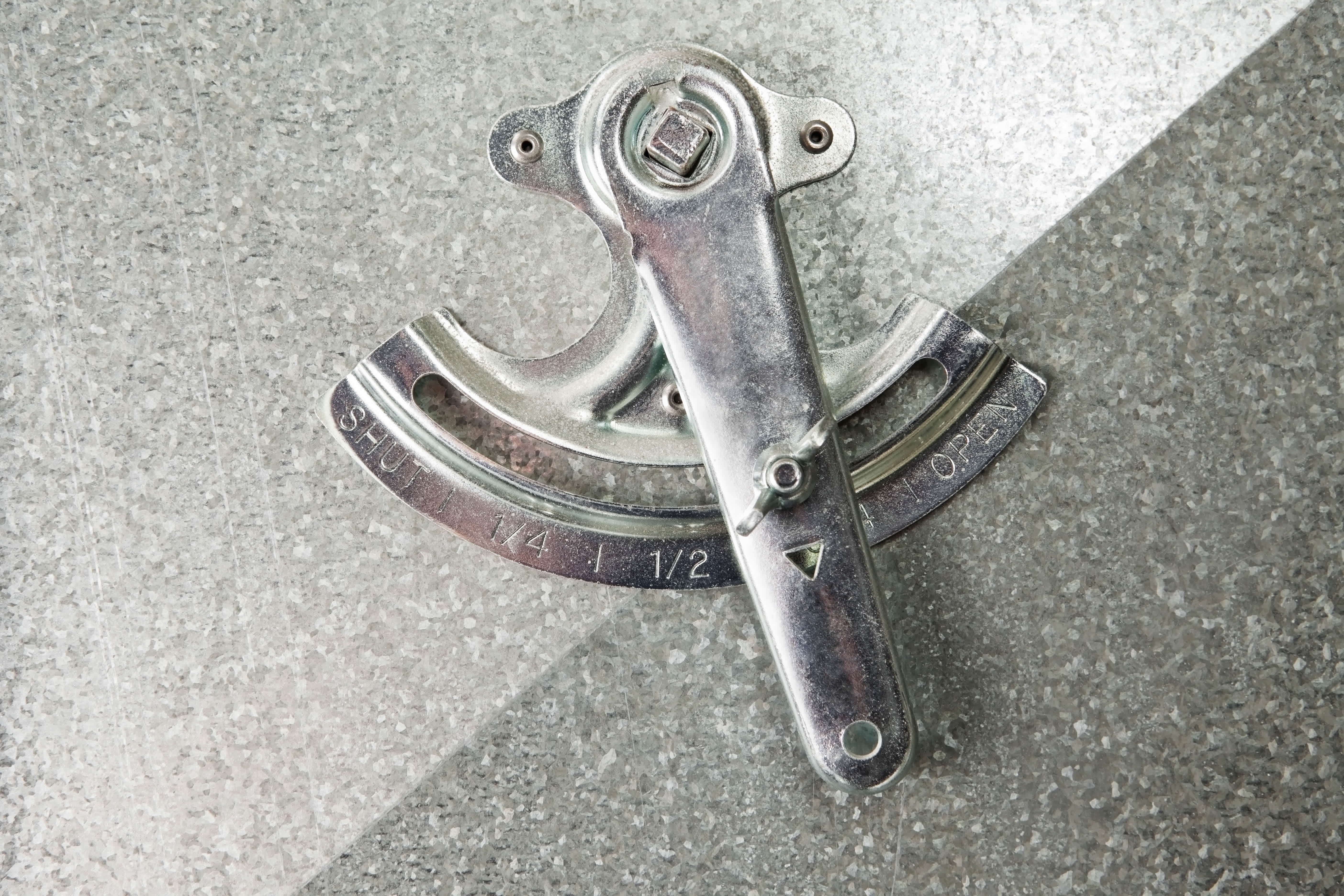
Manual dampers are simple valves operated by a handle on the outside of the duct.
- Best For: "Set it and forget it" adjustments, such as seasonally balancing airflow to a guest room or basement.
- How It Works: You physically turn a lever on the ductwork to open or restrict air.
- Consideration: Requires access to ducts (often in attics or basements), which can be inconvenient for frequent changes.
Automatic (Motorized) Dampers
Automatic dampers use electric motors to open and close based on thermostat signals.
- Best For: Full zoning systems where you want seamless, automated control over different areas of your home.
- How It Works: When a zone thermostat calls for air, the damper automatically opens; it closes when the temperature is reached.
- Consideration: Higher upfront investment but offers superior convenience and long-term energy savings.
How Do I Get HVAC Dampers Installed?
To get HVAC dampers installed, a professional needs to evaluate your ductwork, determine the right damper locations, and ensure the system is properly balanced for airflow and comfort. Because damper installation often requires cutting into ducts and configuring zone controls, it’s not a DIY project. Schedule an appointment with your local Bryant dealer to get expert recommendations and professional installation tailored to your home.
HVAC Damper FAQs
HVAC dampers are installed inside the ductwork. You can often find manual damper levers on the exterior of the main trunk lines that branch off to different areas of your home, typically in the basement, attic, or crawlspace.
To adjust HVAC dampers, locate the metal lever on each duct and rotate it to open or close the airflow to different areas of your home. Make small adjustments, test temperatures over a day or two, and avoid fully closing dampers to prevent system stress.
Replacing an HVAC damper typically costs $200–$500, depending on the damper type, accessibility, and labor rates in your area. Motorized or hard-to-reach dampers may cost more due to added parts and installation time.
Yes, by preventing the heating or cooling of unused rooms, HVAC dampers reduce wasted energy and can lower your energy bills, especially when used in a zoned system.
Your HVAC damper should generally be open during heating and cooling seasons to allow proper airflow, but you can partially close certain dampers to balance temperatures between rooms. Fully closing a damper is usually not recommended because it can restrict airflow and strain your system.
An HVAC damper regulates the flow of air inside your ductwork. It opens to allow heating or cooling into a room and closes to block it, allowing for precise temperature control in different areas of your home.
Installing dampers usually requires cutting into ductwork and balancing airflow, which is complex. It is best to schedule an appointment with your local Bryant dealer to get expert recommendations and professional installation tailored to your home.


