Geothermal Heat Pump Installation and Pricing (2026)
The average installation cost for a geothermal heat pump system typically ranges from $15,000 to $30,000. While this initial investment is higher than traditional HVAC systems, the significant long-term energy savings, system longevity, and potential tax credits provide exceptional value over time, making it a smart investment in your home's efficiency.
Bryant is committed to delivering innovative, reliable solutions centered on your needs. Geothermal heat pumps are a testament to this, offering a sustainable way to achieve superior home comfort. Understanding the geothermal system cost is the first step toward enhancing your home's efficiency and value for years to come.
How to Install a Geothermal Heat Pump
Installing a geothermal heat pump involves specialized planning and equipment, as the system exchanges heat with the ground to provide efficient heating and cooling. While exact steps vary depending on whether a closed-loop or open-loop system is used, the overall process follows a structured sequence to ensure safe, efficient, and long-lasting operation.
Geothermal Heat Pump Installation Steps
- Site Evaluation and System Design: A professional evaluates your property to determine the appropriate loop type, system size, and placement for indoor and outdoor components. Soil conditions, yard space, and local regulations all influence the design.
- Excavation or Drilling: Depending on whether a horizontal or vertical loop is required, trenches are dug or boreholes are drilled to install the ground loop. This step ensures proper heat transfer and long-term system efficiency.
- Install Ground Loop: Piping for the ground loop is laid in the trenches or boreholes and connected to a manifold system. The pipes are then pressure-tested to confirm there are no leaks.
- Install Indoor Unit: The heat pump’s indoor unit is installed, typically in a utility room or basement. Ductwork, plumbing, and electrical connections are prepared to integrate the system with your home.
- Connect Ground Loop to Heat Pump: The loop piping is connected to the indoor unit, and antifreeze solution or water is circulated through the loop to complete the closed system. Proper connections are sealed to prevent leaks and ensure efficiency.
- Set Up Electrical and Controls: The system’s electrical connections, thermostat, and control wiring are completed according to manufacturer specifications and local codes. This step ensures safe and reliable operation.
- System Startup and Testing: The heat pump is powered on, and performance is verified, including temperature output, flow rates, and overall efficiency. Any adjustments are made to optimize comfort and energy savings.
What Factors Should I Consider Before Installing a Geothermal Heat Pump?
Safety
Geothermal installation involves excavation, heavy equipment, and high-voltage electrical connections. Proper site safety procedures, utility line marking, and protective equipment are essential to prevent injury or property damage. Because ground loops and refrigerant systems operate under pressure, careful handling is critical throughout the process.
Local Permits and Regulations
Most geothermal systems require permits for drilling, trenching, plumbing, and electrical work. Some municipalities allow homeowners to pull certain permits, while others require licensed professionals—especially for vertical drilling or groundwater-based systems. Verifying local building codes and environmental regulations in advance helps avoid costly delays or compliance issues.
Property Suitability
Not every property is ideal for geothermal installation. Yard size, soil composition, groundwater levels, and access for drilling equipment all impact system design and cost. A professional site evaluation ensures the loop configuration—horizontal, vertical, or pond/lake loop—is appropriate for your home.
Specialty Tools and Technical Expertise
Geothermal systems require specialized drilling or trenching equipment, fusion tools for piping, pressure-testing instruments, and advanced HVAC knowledge. Proper loop installation, antifreeze mixture calibration, and airflow configuration demand technical expertise. Additionally, handling refrigerant and disposing of old equipment must follow environmental guidelines.
High-Risk Steps
Drilling boreholes, trenching large areas, and working with electrical and pressurized refrigerant systems carry significant risks. Mistakes can result in underground leaks, system inefficiency, or long-term performance issues that are costly to fix. For optimal safety, efficiency, and warranty protection, geothermal heat pump installation is best handled by experienced HVAC professionals.
Geothermal Heat Pump Cost Factors Explained
Several key factors influence the final geothermal heat pump installation cost. Understanding these variables will help you see where your investment goes and what contributes to the overall geothermal heating prices.
System Size and Home Specifications
The size of your home is the primary driver of cost. Larger homes require a higher-capacity heat pump and a more extensive ground loop system to ensure adequate heating and cooling. This increases both equipment and labor costs, but proper sizing is critical for reliable performance. For example, a typical residential geothermal heat pump ranges from 1.5 to 5 tons, with costs roughly $2,500–$5,000 per ton for the equipment alone. Including installation and ground loop work, a 3-ton system might run between $20,000 and $30,000, depending on local labor rates and soil conditions.
Type of Ground Loop System
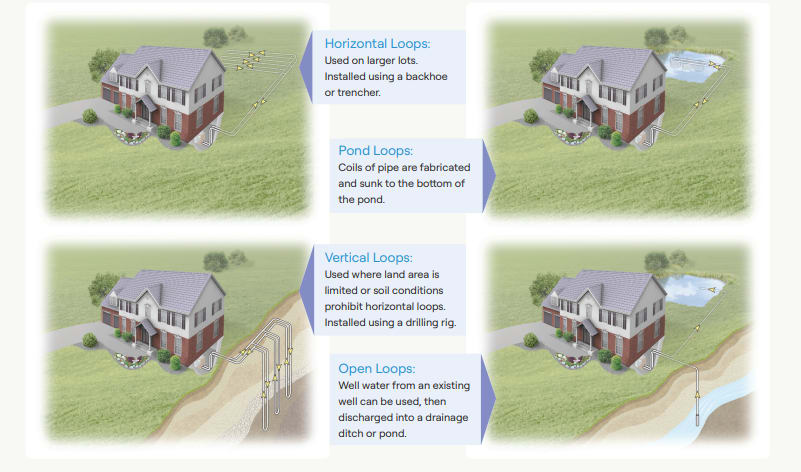
The type of ground loop installed has a significant impact on the total price.
- Horizontal Loops: These are often the most cost-effective but require a large amount of land for trenches to be dug several feet deep. Typical costs range from $10,000 to $20,000 for horizontal loop installation, depending on land size and soil conditions.
- Vertical Loops: Ideal for smaller properties, this method involves drilling deep boreholes. While it saves space, the specialized equipment needed makes it a more expensive option. While it saves space, the specialized drilling equipment makes it more expensive, generally $20,000 to $35,000 for the loop system.
- Pond/Lake Loops: If a body of water is available on your property, this can be the most economical choice, as it minimizes excavation by submerging pipes in the water. Costs are typically $8,000 to $15,000, depending on the size of the system and water access.
Site Conditions and Accessibility
The geology of your property, such as soil type and the presence of rock, can complicate the excavation or drilling process. Difficult site conditions often require more time and specialized machinery, which adds to the labor costs.
Labor Costs and Local Rates
Labor costs for installing a geothermal system vary by region. This complex job demands certified professionals with experience in drilling, excavation, and HVAC integration. Hiring a qualified installer is essential for ensuring your system operates at peak efficiency.
What Does a Cost of a New Geothermal Heat Pump Quote Include?
A typical geothermal heat pump quote usually covers the major components and installation work, but it’s important to understand what’s included—and what often isn’t.
Common Inclusions:
- The geothermal heat pump unit itself (1.5–5 ton typical sizes)
- Ground loop installation (horizontal, vertical, or pond/lake loops)
- Ductwork modifications or connections to existing HVAC system
- Basic electrical work for connecting the system
- System startup, testing, and initial programming
- Labor for installation
Items Often Not Included:
- Excavation for landscaping or driveway removal/restoration
- Additional electrical upgrades (e.g., panel capacity increases)
- Permits or inspection fees
- Optional add-ons like smart thermostats or advanced zoning controls
- Maintenance agreements or extended warranties beyond standard coverage
Understanding these inclusions and exclusions can help you compare quotes accurately and avoid unexpected costs during installation.
Are Geothermal Heat Pumps a Good Investment?
Yes, a geothermal heat pump can be an excellent long-term investment that can pay for itself over time.
- High Efficiency: Homeowners often see heating and cooling bills drop by up to 60%.
- Incredible Longevity: The indoor heat pump can last 20–25 years, while the underground loop system is designed to last 50+ years.
- Enhanced Resale Value: Eco-friendly, high-efficiency homes are increasingly attractive to buyers looking for low operating costs.
Ensure Proper Installation with Professional Help
When you choose a Bryant geothermal heat pump, your installation experience is designed to be thorough, efficient, and clearly communicated from start to finish. The process typically begins with an in-home consultation and detailed load calculation to ensure the system is properly sized for your home’s heating and cooling needs. Your Bryant dealer will evaluate your property, explain loop configuration options, review timelines, and outline any permitting requirements before work begins.
During installation, professional crews handle excavation or drilling, ground loop placement, indoor unit installation, and all electrical and control connections according to manufacturer specifications. Once the system is installed, it is carefully pressure-tested, charged, and calibrated to optimize airflow, temperature control, and overall efficiency. Before completion, your Bryant dealer will walk you through system operation, maintenance recommendations, and answer any questions so you feel confident in your new geothermal system.
Installing a geothermal heat pump is a complex project that requires precise engineering, specialized equipment, and strict adherence to local codes. From accurate load calculations and loop design to refrigerant charging and system calibration, every step plays a critical role in long-term efficiency and reliability. Even small installation errors can reduce performance, increase operating costs, or shorten the lifespan of the system.
Working with an experienced HVAC professional helps ensure your system is properly sized, safely installed, and optimized for maximum energy savings. Professional installation also protects manufacturer warranties and provides peace of mind that your investment will deliver consistent comfort for years to come. Schedule an appointment with your local Bryant dealer today.
Discover Bryant Heat Pumps
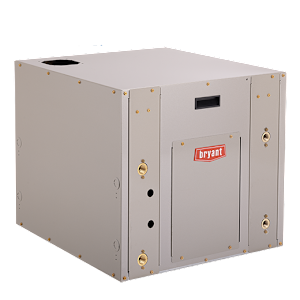
Choose a Bryant heat pump for reliable, energy-efficient heating and cooling all year round. Known for their durability and advanced technology, Bryant heat pumps offer superior comfort while lowering energy costs. With quiet operation and smart features like variable-speed motors, Bryant heat pump systems ensure optimal temperature control. Backed by industry-leading warranties and professional installation from your local Bryant dealer, a Bryant heat pump is a long-term investment in comfort, efficiency, and peace of mind for your home.
Geothermal Heat Pump Installation Cost FAQs
Geothermal heat pumps require very little maintenance. Because the main components are protected underground or indoors, the system is less exposed to weather and wear, ensuring durable performance for years to come.
Homes with geothermal systems may have a higher resale value due to their high efficiency, low operating costs, and eco-friendly technology. It's an attractive feature for prospective buyers looking for a smart, sustainable home.
Yes, geothermal systems can be retrofitted into existing homes (retrofits) depending on the layout of your property. While it may require modification to your current ductwork or landscape, the long-term energy savings can make it a viable option for renovations.
Yes. Many homeowners may qualify for local utility rebates when installing a geothermal heat pump. Check our rebates page to discover incentives in your area.
Replacing a geothermal heat pump typically takes 2–5 days for most residential systems. The timeline depends on factors like whether the underground loop needs replacement, the size of the system, and any necessary ductwork or electrical updates.
Geothermal heat pumps are very durable. The indoor components usually last 20–25 years, while the ground loop system can last 50+ years with proper maintenance.
Installation costs vary widely based on system size, loop type, and site conditions. On average, homeowners can expect to pay $15,000–$30,000 for a complete residential installation, though incentives and rebates can help offset the cost.
The main disadvantages are the high upfront cost and the need for sufficient land or soil conditions to install the underground loop. Additionally, installation can be more complex than traditional HVAC systems.


