About The Author: Travis Baugh is a Digital Brand Marketing Manager for Bryant, where he creates clear, helpful content to guide homeowners through heating, cooling, and indoor air quality decisions. His goal is to empower readers with the knowledge they need to choose the right comfort solutions for their home—confidently and comfortably.
Furnace Blower Motor Guide: What It Is, How It Works, and Types
A furnace blower motor is the central component of your home's HVAC system responsible for circulating heated or cooled air through the ductwork and into your living spaces. It takes the conditioned air created by your furnace or air handler and forces it out of the vents, ensuring consistent temperature and comfort throughout your home.
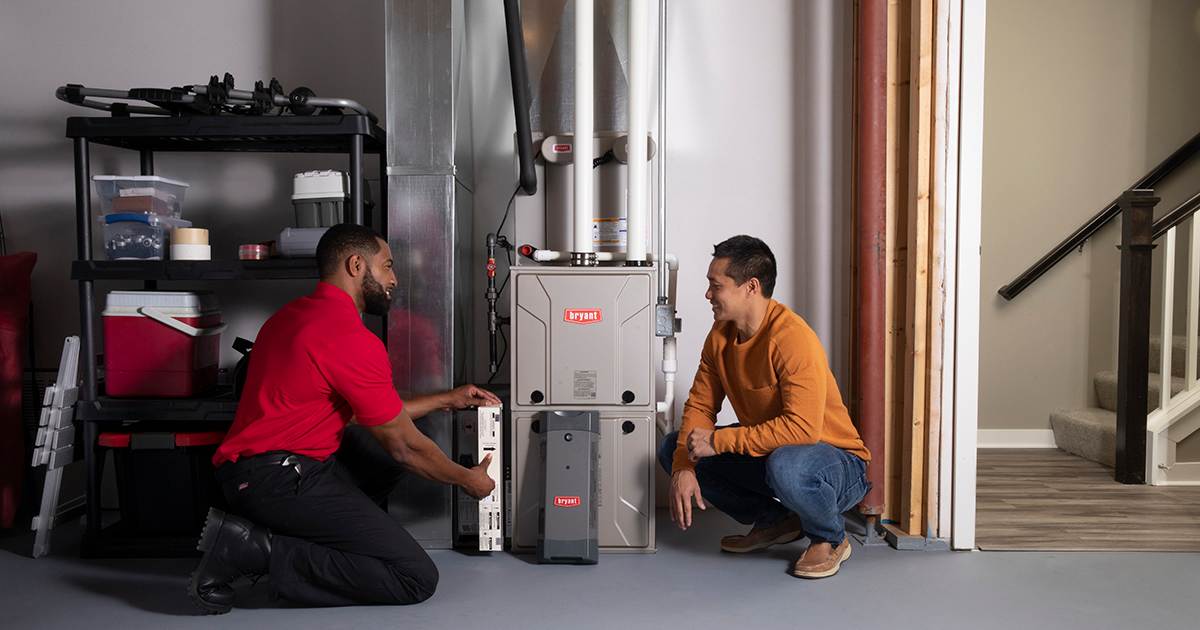
The blower motor is essentially the heart of your home’s climate control system. Without a functioning motor, even the most advanced furnace cannot distribute warm air. As homeowners increasingly prioritize long-term comfort and reduced energy bills, upgrading to a high-efficiency furnace blower motor has become a proven strategy for enhancing the home environment.
How Does a Furnace Blower Motor Work?
A furnace blower motor works by spinning a fan (or blower wheel) that draws unconditioned return air from the house, pushes it through the furnace’s heat exchanger to be warmed, and then distributes the freshly heated air back into the home through the supply ducts. It acts as the primary delivery mechanism for your entire HVAC system.
The process begins when your thermostat detects a drop in indoor temperature and signals the furnace to turn on. Once the burners ignite and the heat exchanger reaches the appropriate temperature, the furnace blower motor activates. This precise sequencing ensures that only warm air is circulated, preventing cold drafts.
Modern systems have evolved significantly from the basic on/off mechanisms of the past. Today's advanced motors utilize smart technology to adjust their speed and output dynamically. This means that instead of blasting air at full capacity, the motor can gently and continuously circulate air. This continuous circulation not only maintains a more stable indoor temperature but also passes the air through your filtration system more frequently, allowing you to breathe cleaner air.
Signs Your Furnace Blower Motor Needs Replacement
You should consider replacing your furnace blower motor if you experience weak airflow from your vents, unusual noises like screeching or banging, unexpected spikes in your energy bills, or a system that frequently overheats and shuts down. These symptoms typically indicate that the motor is failing or operating inefficiently.
Recognizing the warning signs early can save you from a complete system breakdown during the coldest days of winter. Here are the primary indicators that your furnace blower motor is struggling:
- Weak or Inconsistent Airflow: If some rooms feel perfectly warm while others remain cold, or if the air barely trickles from the vents, the motor may be losing its power.
- Strange and Unusual Noises: A healthy motor operates quietly. If you hear grinding, squealing, or rattling, it often means the bearings are worn out or the motor is unbalanced.
- Increased Energy Bills: As a motor ages and degrades, it must work harder and draw more electricity to perform the same job. If your utility costs are creeping up despite normal usage, an inefficient motor is a likely culprit.
- Overheating and Short Cycling: If the motor overheats, built-in safety mechanisms will shut the furnace down prematurely. This results in the system rapidly turning on and off – referred to as short cycling - which causes excessive wear and tear.
Addressing these issues proactively not only restores your home's comfort but also prevents a failing motor from damaging other expensive furnace parts.
Types of Blower Motors: Variable Speed vs. Single Stage
The two main types of furnace blower motors are single-stage motors, which run at one constant speed, and variable-speed motors, which automatically adjust their speed to optimize airflow, energy efficiency, and temperature control. Variable-speed motors are vastly superior for achieving optimal home comfort and reducing energy consumption.
Single-Stage Blower Motors
A single-stage furnace blower motor operates on a simple premise: it is either completely off or running at 100% capacity. While these motors are standard in older or budget-friendly homes, they are highly inefficient. Because they blast air at maximum speed, they consume a significant amount of electricity and often create noticeable background noise. Furthermore, this "all-or-nothing" approach leads to temperature fluctuations, leaving your home feeling too hot for a moment and then chilly a short while later.
Variable-Speed Blower Motors
A variable-speed furnace blower motor represents the pinnacle of advanced HVAC technology. Instead of running at full capacity all the time, this smart motor can operate at various lower speeds—often running at just 40% to 60% capacity for the majority of the day.
The benefits of a variable-speed motor are transformative for residential environments:
- Exceptional Energy Efficiency: By running continuously at lower speeds, the motor uses significantly less electricity, resulting in an efficiency that pays for itself over time.
- Quiet Operation: Lower speeds mean less air turbulence. These systems are designed to be quiet as a whisper, providing peace in every room.
- Improved Air Quality: Because the fan runs more frequently, indoor air is constantly being pulled through your HVAC filters. This continuous filtration captures more dust, allergens, and pollutants, ensuring you breathe cleaner air.
- Enhanced Humidity Control: In the summer months (when paired with an air conditioner or heat pump), a variable-speed motor removes humidity from the air much more effectively than a single-stage motor.

The Long-Term Financial Impact of an Upgraded Motor
Upgrading to a high-efficiency furnace blower motor can help reduce your monthly energy bills by consuming less electricity than older, traditional motors. Over the lifespan of your furnace, these cumulative energy savings can help often offset the initial cost of the upgrade.
Beyond just the electrical savings, a highly efficient motor reduces the strain on your entire furnace. This means fewer emergency HVAC repair bills, a potentially longer lifespan for your heating system, and potentially higher resale value for your home. Talk to your local Bryant dealer about furnace blower motor options, furnace repair, or furnace replacement today.
Furnace Blower Motor FAQs
Variable-speed blower motors are designed to run continuously at a very low, energy-efficient speed. This keeps the air circulating, maintains a consistent indoor temperature, and continuously filters the air to improve your home's indoor air quality.
Most modern furnace blower motors offer seamless smart home integration and are fully compatible with leading smart thermostats on the market today.
A well-maintained Bryant furnace blower motor is highly durable and typically lasts between 15 to 20 years. Regular furnace maintenance, such as changing air filters and scheduling annual professional furnace inspections, is key to maximizing its lifespan.
Yes, you can replace just the furnace blower motor if the rest of your furnace is in good working condition. However, if your furnace is over 15 years old, investing in a new, advanced system may be more cost-effective in the long run.
Most homeowners pay about $300 to $900 total, though costs can range from $270 up to $2,800+ depending on motor type, labor, and system complexity.1
Common signs include weak or no airflow, unusual noises (squealing or grinding), overheating, frequent shutdowns, or a motor that hums but won’t start.
It’s usually worth replacing if the furnace is under 10–12 years old and otherwise in good condition. For older systems, the repair cost versus full replacement should be evaluated.
Most replacements take 1 to 2 hours for a straightforward job, though more complex systems may take longer.
No, you should not run it. Without the blower, heat can’t circulate and the system can overheat, potentially causing serious damage or safety issues.


