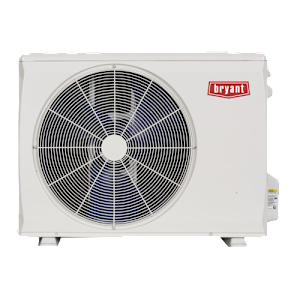
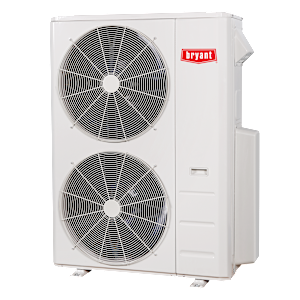
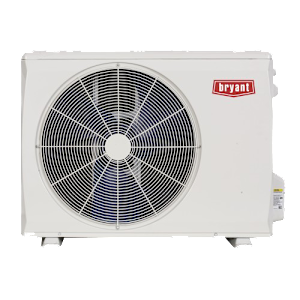
- Learn all about what is a mini split
- Read our guide to mini split cost
- Understand what size mini split do I need?
- Find out are mini splits worth it?
- Learn all about mini split vs central air
- Learn the ins and outs of mini split maintenance
Mini Split Heating and Cooling: A Homeowner's Guide
A mini split heating and cooling system is a ductless HVAC solution that provides precise temperature control to individual rooms or zones without the energy loss of traditional ductwork. It connects an outdoor compressor to indoor air-handling units, making it an ideal choice for home additions, older homes, or homeowners seeking customized comfort.
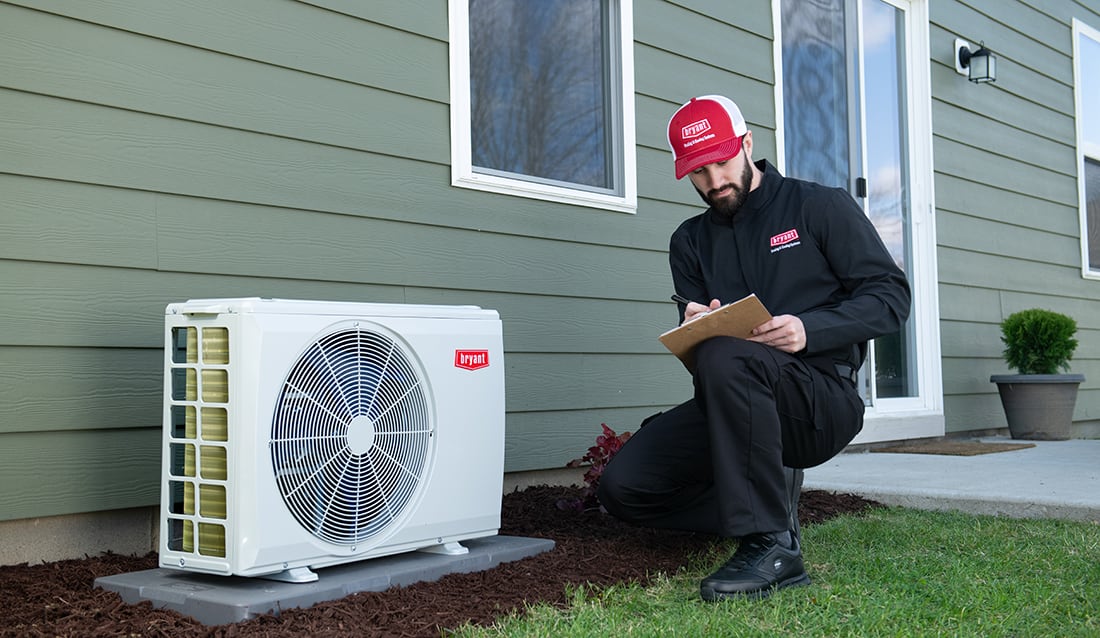
What is a Mini Split System?
Also known as a ductless mini split, this technology represents a leap forward in home comfort. Unlike central air systems that rely on bulky ducts to distribute air—often losing energy along the way—mini splits deliver conditioned air directly into the space where you need it. This targeted approach not only enhances comfort but also significantly improves energy efficiency.
Whether you are renovating an older home, building a new addition, or simply want to reclaim control over your energy bills, mini splits offer a flexible, powerful alternative to conventional heating and cooling. Learn more about what is a mini split.
How Does a Mini Split System Work?
A mini split system works by transferring heat rather than generating it. In the summer, it extracts heat from inside your home and moves it outdoors to cool your space. In the winter, it reverses this process, pulling heat from the outdoor air to warm your interiors.
The Mechanics of Comfort
The system consists of two main components:
- Outdoor Unit: A compressor/condenser that handles the heat exchange with the outside air.
- Indoor Unit: Air-handling units installed in specific rooms to circulate conditioned air.
These components connect via a small conduit, eliminating the need for invasive ductwork. This setup allows for zoning, meaning you can control the climate in specific rooms independently. You no longer have to waste money heating or cooling unoccupied rooms—giving you "efficiency that pays for itself."
What Are the Main Benefits of Mini Split Heating and Cooling?
Investing in a mini split heating and cooling system transforms your home environment. From quiet operation to superior air filtration, these systems are designed for homeowners who value long-term performance and reliability.
- Exceptional Energy Efficiency: Mini splits consume less energy than traditional HVAC systems because they avoid the energy losses associated with ductwork. This advanced efficiency can lead to substantial savings on your monthly energy bills.
- Zoned Comfort Control: Why pay to heat or cool rooms you aren't using? With individual thermostats for each indoor unit, you can customize the temperature room-by-room, ensuring everyone is comfortable while optimizing energy use.
- Improved Indoor Air Quality: Ductless systems feature multi-stage filtration that can drastically reduce dust, pollen, bacteria, and other airborne particles. Since there are no ducts that collect contaminants, you can breathe cleaner air.
- Quiet Operation: Both the indoor and outdoor units are engineered for whisper-quiet performance. The indoor units operate at a sound level similar to a quiet library, ensuring a peaceful and comfortable home environment.
- Flexible Installation: The compact size of mini split systems and the absence of ductwork make installation straightforward and minimally invasive. An experienced contractor can typically complete the setup in just one or two days. Learn more about mini split installation.
Are There Different Types of Mini Split Indoor Units?
Yes, there are several types of indoor units available, allowing you to choose the best fit for your home's layout and style. Each type is designed to integrate seamlessly into your space while delivering powerful performance.
- Wall-Mounted: The most common type, installed high on an interior wall. Learn more about wall mounted air conditioners.
- Floor-Mounted: A great option for rooms with limited upper wall space, such as those with sloped ceilings or large windows.
- Ceiling Cassette: A discreet option recessed into the ceiling, ideal for a clean, modern look with wide air coverage. Learn more about ceiling cassette mini splits.
- Concealed Duct: These units are hidden within the ceiling and use short ducts to deliver air through vents, perfect for conditioning larger zones. Learn more about ducted mini splits.
How to Get a Mini Split System for Your Home
To explore a mini-split heating and cooling solution for your home, connect directly with your local Bryant dealer. A professional can evaluate the specific zones in your house that need independent temperature control and recommend the right system for maximum efficiency and comfort. This personalized consultation ensures you get a custom-tailored Bryant system that meets your needs.
Explore Bryant Ductless Mini Splits
Choose a Bryant ductless mini split for efficient, customizable comfort without the need for ductwork. Ideal for specific rooms or multi-zone cooling and heating, these systems offer precise temperature control and quiet operation. With energy-efficient technology, they help reduce utility costs while providing year-round comfort. The sleek design makes Bryant mini splits a perfect choice for homes, additions, or spaces where traditional ductwork is impractical, delivering reliable performance and convenience.
Mini Split Heating and Cooling FAQs
Yes, modern mini split systems are equipped with advanced heat pump technology that allows them to operate efficiently even in freezing temperatures, providing reliable heating throughout the winter.
Absolutely. Many mini split systems offer smart integration, allowing you to control your home's temperature from anywhere using a smartphone app for ultimate convenience and energy management.
With proper professional installation and regular maintenance, a quality mini split system can last for 20 years or more, making it a durable, long-term investment in your home's comfort.
A single-zone system connects one outdoor unit to one indoor unit, perfect for a single room addition. A multi-zone system connects one outdoor unit to up to five indoor units, allowing you to heat and cool the entire home with independent control for each room.


