About The Author: Travis Baugh is a Digital Brand Marketing Manager for Bryant, where he creates clear, helpful content to guide homeowners through heating, cooling, and indoor air quality decisions. His goal is to empower readers with the knowledge they need to choose the right comfort solutions for their home—confidently and comfortably.
When Should You Use a Dehumidifier?
By Travis Baugh | Expert Review By Chrystal Jolliffe - Product Manager, Indoor Air Quality
Homeowners should use a dehumidifier when indoor relative humidity (RH) consistently exceeds 50% or when signs of excess moisture, such as condensation, musty odors, or damp, sticky air, appear. A dehumidifier helps remove excess moisture and maintain a more comfortable indoor environment. Bryant recommends maintaining indoor humidity between 30% and 50%, a range also recommended by the U.S. Environmental Protection Agency (EPA).1
As a homeowner focused on long-term comfort and home protection, maintaining balanced indoor humidity is important. A dehumidifier removes excess moisture, which can help reduce conditions that contribute to mold, musty odors, condensation, and moisture-related damage.

Why Humidity Control Matters
Maintaining balanced indoor humidity is essential for long-term comfort and protecting your home’s structure. Excess moisture doesn't just make you feel clammy; it can warp wood flooring, damage wallpaper, and create conditions that support mold and dust mite growth.
By keeping humidity levels between 30% and 50%, you can help maintain a comfortable indoor environment and reduce moisture-related problems. Learn more about the importance of humidity control.
What Are the Signs You Need a Dehumidifier?
If you aren't sure if your humidity levels are too high, observe how your home looks and feels. Damp environments often present clear physical signs before you even check a thermostat.
Common signs of high humidity include:
- Condensation: Water droplets forming on windows, mirrors, or other cool surfaces.
- Damaged Surfaces: Peeling paint or wallpaper and warped wood trim or flooring.
- Lingering Odors: Persistent musty smells, especially in basements, bathrooms, and laundry rooms.
- Damp Fabrics: Towels and other fabrics that take a long time to dry.
- Visible Mold: Dark spots on ceilings, around windows, or on bathroom grout may indicate a moisture problem that needs to be addressed.
If a hygrometer or thermostat shows RH consistently above 50%, Bryant recommends using a dehumidifier to help bring humidity back into the recommended range. A whole-home dehumidifier from Bryant integrates seamlessly with your existing HVAC system to provide consistent relief and healthier air. Learn more about dehumidifier benefits.
When Should You Use a Dehumidifier in the Summer?
Summer is the ideal time to run a dehumidifier because warm air holds more moisture, elevating relative humidity and making your home feel warmer than the thermostat indicates. A dehumidifier enhances comfort by removing this excess moisture from the air.
Using a dehumidifier in the summer helps to:
- Improve Comfort: Makes the air feel cooler and less sticky.
- Minimize Odors: Reduces the musty smells associated with dampness.
- Protect Your Home: Helps reduce moisture exposure that can contribute to damage to woodwork, furniture, and other building materials.
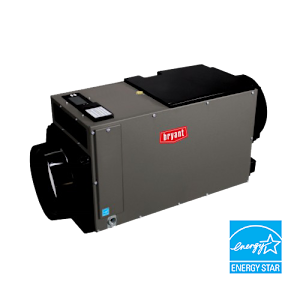
Bryant offers innovative solutions like the Evolution™ Extreme Variable Speed Air Conditioner (191VAN) and the EVOLUTION™ Extreme 23 Variable-Speed Heat Pump (293VAN), which use variable-speed technology to support longer, lower-speed operation and humidity control.. For comprehensive control, Bryant’s ENERGY STAR® certified DEHXX dehumidifier integrates with your HVAC system to fine-tune humidity levels efficiently.

When Should You Use a Dehumidifier in the Winter?
While winter air is generally drier, indoor activities like cooking and showering can still increase humidity levels. Because windows and walls are cold, excess moisture can condense on these surfaces.
A dehumidifier may also be useful during winter in areas that remain cool and damp, such as basements or crawl spaces.
Benefits of Winter Use
- Prevents Condensation: Helps reduce excess moisture that can collect on windowsills and other cold surfaces.
- Protects Basements: Keeps cool, subterranean spaces like basements dry, preventing mold growth from ground moisture. Learn more about dehumidifiers for baesements.
- Ideal Range: Helps maintain the recommended 30%–50% RH range without over-drying the air.
Quick Guide: When to Use a Dehumidifier
- Humidity Level: Use a dehumidifier when relative humidity is consistently above 50%.
- Physical Signs: Run your unit if rooms feel damp, you notice condensation on windows, or musty odors are present.
- Seasonal Use: Operate it in the summer to combat mugginess and in winter when cool, damp areas such as basements develop excess moisture.
- Water Events: After a leak or other water intrusion, remove standing water and dry affected materials promptly. A dehumidifier can help control remaining moisture, but significant water damage may require professional remediation.
Bryant dehumidifiers are designed to help maintain balanced humidity levels, supporting home comfort and helping protect against moisture-related problems.
Connect with a local Bryant dealer today. They can evaluate your home's humidity levels and recommend the best dehumidifier for your home's size, moisture conditions, and HVAC system, along with an accurate quote for whole house dehumidifier cost.
Explore Bryant Dehumidifiers
Choose a Bryant dehumidifier to effectively control excess moisture in your home, improving comfort and air quality. It helps prevent mold, mildew, and musty odors while reducing allergens, making it ideal for areas with high humidity. With energy-efficient operation and quiet performance, a Bryant dehumidifier works seamlessly with your HVAC system to maintain optimal humidity levels. Durable and reliable, it ensures a healthier and more comfortable living environment, providing year-round moisture control for your home.
FAQs On When To Use A Dehumidifier
Dehumidifiers are most commonly used in summer, when warm air holds more moisture and indoor RH rises, making spaces feel sticky or muggy. They’re also useful in winter in cooler areas like basements or crawl spaces, where condensation can form on windows and cold surfaces. Essentially, use a dehumidifier whenever indoor humidity consistently exceeds 50% or causes discomfort.
It’s not necessary to run a dehumidifier constantly; most units have humidistats that automatically turn the system on and off to maintain your set humidity level. Running it continuously can waste energy and over-dry the air, so rely on automatic settings for optimal performance and efficiency.
Avoid running a dehumidifier if indoor humidity is already within the ideal 30%–50% range, as lowering it further can dry the air excessively. Don’t use it in extremely cold spaces below the unit’s operating temperature, and avoid areas with very little moisture where it won’t make a meaningful difference.
The right size depends on the square footage of your space and the current dampness levels. For comprehensive moisture control across multiple rooms, a whole-home dehumidifier integrated into your HVAC system is often the most efficient and reliable choice.
Yes, using a dehumidifier can potentially help lower cooling costs in the summer. By removing excess moisture, the air feels cooler at higher temperatures, allowing you to set your thermostat higher while maintaining optimal comfort.
About The Expert Reviewer: Chrystal Jolliffe is a Product Manager specializing in Residential Indoor Air Quality at Bryant. Her work centers on advancing solutions that support cleaner indoor air and a more comfortable home environment. She helps homeowners understand the role indoor air quality products can play in their homes, empowering them to evaluate their options and make informed decisions about their indoor environment.
Learn More
- Discover the best dehumidifier for your home
- Explore whole house dehumidifier options
- Learn what does a dehumidifier do
- Understand dehumidifier benefits
- Discover the benefits of a basement dehumidifier
- Learn the ins and outs of humidity control


