About The Author: Travis Baugh is a Digital Brand Marketing Manager for Bryant, where he creates clear, helpful content to guide homeowners through heating, cooling, and indoor air quality decisions. His goal is to empower readers with the knowledge they need to choose the right comfort solutions for their home—confidently and comfortably.
What Does Hold Mean on a Thermostat?
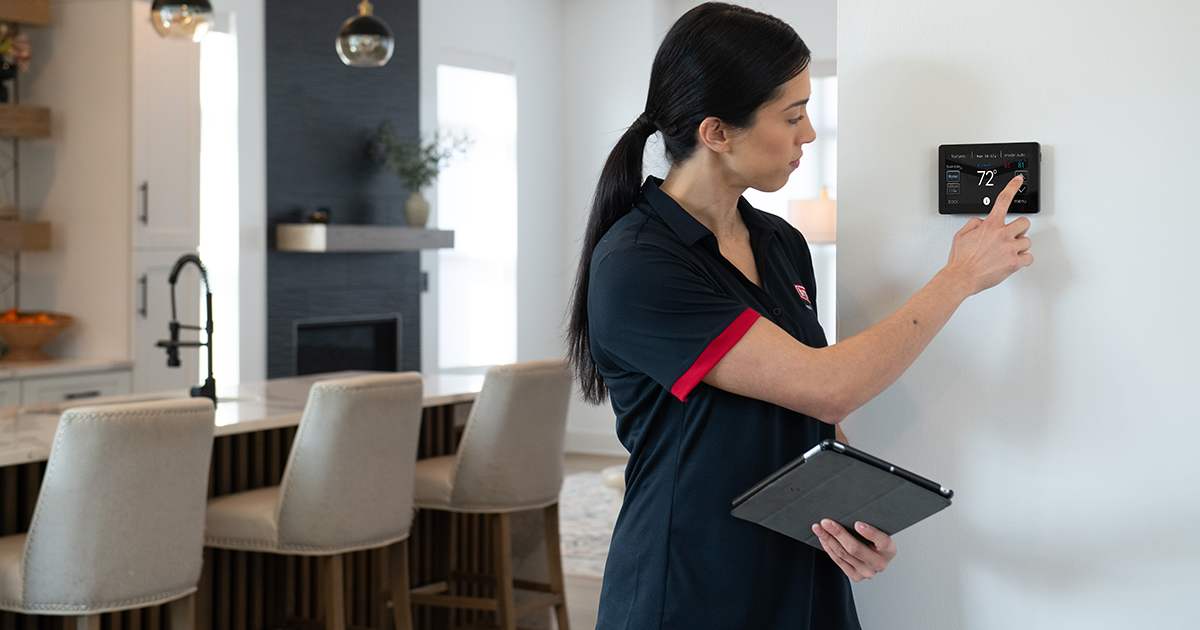
Pressing the "Hold" button on a thermostat overrides your pre-programmed heating and cooling schedule, locking the indoor temperature at your current desired setting. This feature ensures your space remains at a specific temperature until you manually cancel the hold or the temporary hold period expires.
While a programmable schedule helps optimize energy efficiency by automatically adjusting temperatures throughout the day, life doesn't always follow a set routine. That is where the hold function becomes an invaluable tool. By understanding exactly what this feature does, you can take total control of your home environment, ensuring optimal comfort and efficient energy use no matter what the day brings
What is the Difference Between Temporary and Permanent Hold?
A temporary hold maintains a specific temperature until the next scheduled program period begins, while a permanent hold locks the temperature indefinitely until you manually disable it. Understanding this distinction empowers you to make smarter, more sustainable choices for your home's climate control.
How Does a Temporary Hold Work?
A temporary hold pauses your schedule for a limited time. When you adjust the temperature up or down while your thermostat is running a scheduled program, the thermostat will display a "Hold Until" message. It will maintain this new temperature only until the next programmed time block starts.
For example, if you come home early from work and turn up the heat, a temporary hold keeps you warm right now. Once your normal evening schedule kicks in at 6:00 PM, the thermostat will automatically drop the temporary hold and resume its standard programming. This is ideal for brief deviations in your daily routine, providing immediate comfort without permanently disrupting your energy-saving schedule.
How Does a Permanent Hold Work?
A permanent hold (sometimes labeled as "Hold" or "Permanent Hold") completely overrides the entire programmable schedule indefinitely. The thermostat will maintain the single temperature you set 24 hours a day, 7 days a week, until you physically press the "Run Schedule" or "Cancel" button.
This feature is particularly beneficial when you are going on vacation or will be away from home for an extended period. By setting a permanent hold at a highly energy-efficient temperature (such as 50°F in the winter to prevent freezing pipes, or 80°F in the summer), you prevent the system from cycling through its normal comfort routines when the house is empty.
Releasing the Hold Function
Releasing the hold function is just as straightforward. To cancel either a temporary or permanent hold and return to your programmed schedule, press the "Run," "Run Schedule," or "Cancel" button on your thermostat. The system will immediately resume its normal, energy-optimizing operations.
Why Use the Hold Feature on Your Thermostat?
The hold feature gives you immediate control over your indoor climate, allowing you to adapt to unpredictable schedules, host guests comfortably, and manage energy usage during extreme weather.
Managing Unpredictable Schedules
Life is dynamic, and your work or personal schedule can change unexpectedly. If you work from home on a day you are usually at the office, the hold feature allows you to stay comfortable without having to reprogram your entire weekly schedule. By utilizing a temporary hold, you maintain your productivity and comfort effortlessly.
Hosting Guests or Events
When you have extra people in your home, the indoor temperature naturally rises due to body heat. Your standard heating schedule might make the space uncomfortably warm, or your cooling schedule might not be aggressive enough. Using the hold feature allows you to manually set a cooler temperature for the duration of a party or gathering. Once your guests leave, you simply cancel the hold to return to your normal, sustainable routine.
Optimizing Comfort During Extreme Weather
During unprecedented heatwaves or deep winter freezes, your standard schedule might fall short of providing the necessary comfort. Placing your Bryant thermostat on a temporary or permanent hold allows your HVAC system to prioritize immediate safety and comfort over minor energy savings, ensuring your home remains a safe haven regardless of the conditions outside.

Does Using the Hold Feature Save Energy?
Using the hold feature saves energy only if you set the temperature to a more efficient level than your normal schedule, such as setting a permanent hold at a low temperature while on vacation. However, constantly using hold to bypass an energy-efficient schedule can lead to higher energy bills.
While programmable schedules are scientifically proven to reduce energy consumption by lowering heating and cooling demands when you are asleep or away, the hold feature is a tool for exceptions, not the rule. Learn more about energy-saving thermostats.
Finding the Balance Between Comfort and Savings
To maximize energy efficiency while using the hold feature, use it strategically. Rely on your programmed schedule for most of your routine. Reserve the temporary hold for minor daily adjustments, and strictly use the permanent hold for multi-day absences. By doing so, you leverage the full potential of your thermostat.
Troubleshooting Hold Issues on Your Thermostat
If your thermostat is stuck on hold or the buttons are unresponsive, the system may need a reset, or the touchscreen may require cleaning. Troubleshooting your thermostat is generally a simple process that quickly restores your control.
What to Do If Your Thermostat Is Stuck on Hold
If you press "Run Schedule" and the "Hold" notification does not disappear, try restarting the thermostat. You can do this by removing the faceplate from the wall for a few minutes or by flipping the HVAC breaker switch off and back on. If the thermostat is battery-operated, replacing the batteries often resolves interface glitches.
When to Call Your Local Bryant Dealer
If standard troubleshooting fails and your system refuses to drop a permanent hold, there may be a deeper wiring or software issue. Reach out to your local Bryant dealer. They will ensure your system is evaluated safely and correctly, providing thermostat replacement and thermostat installation services if needed.
Thermostat Hold FAQs
If your thermostat says Hold unexpectedly, someone else in the household may have adjusted the temperature manually, triggering an automatic temporary hold. Smart thermostats can also sometimes engage a hold if they detect unusual occupancy patterns or if they are integrated with a utility company's demand-response energy program.
It is not mechanically bad for your HVAC system to stay on permanent hold, but it defeats the purpose of having a programmable thermostat. Leaving it on hold constantly usually results in higher energy bills, as you miss out on the automated energy savings that occur when temperatures are adjusted during sleeping or away hours.
n most modern thermostats, your settings, including permanent holds and programmed schedules, are saved in the device's non-volatile memory. When power is restored, the thermostat will remember its previous state and resume the hold. However, older battery-operated models may reset if the batteries were completely dead during the outage.


