About The Author: Travis Baugh is a Digital Brand Marketing Manager for Bryant, where he creates clear, helpful content to guide homeowners through heating, cooling, and indoor air quality decisions. His goal is to empower readers with the knowledge they need to choose the right comfort solutions for their home—confidently and comfortably.
What is AC Short Cycling and How Can You Fix It?
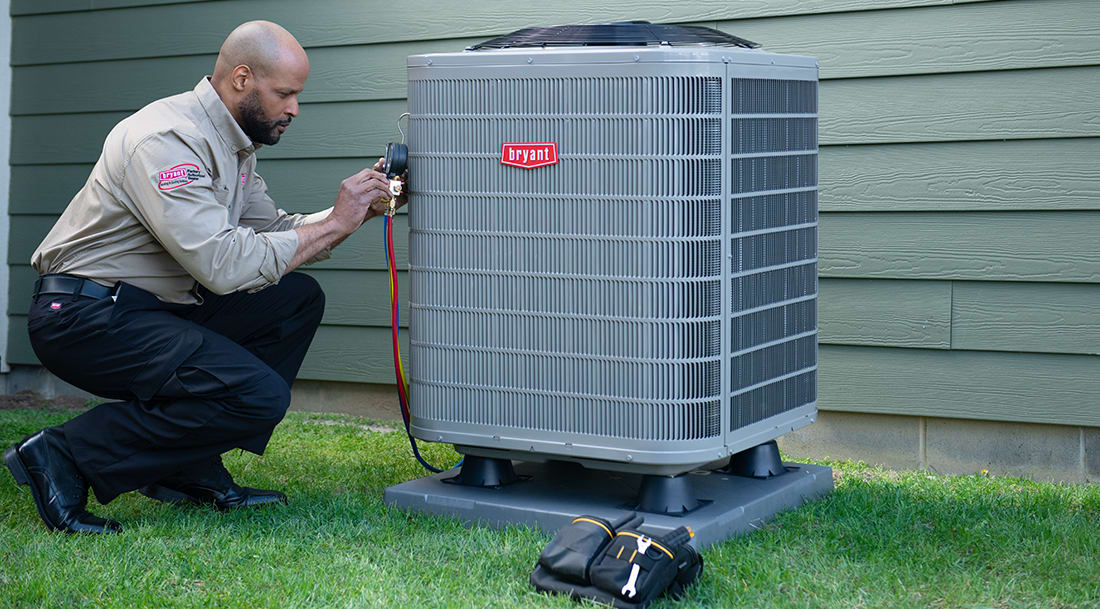
AC short cycling occurs when your air conditioning system turns on and off too frequently without completing a full cooling cycle. This rapid switching prevents your home from reaching the desired temperature, increases your monthly energy bills, and causes unnecessary wear and tear on your HVAC equipment.
For homeowners seeking long-term comfort and efficiency, understanding the root causes of AC short cycling is the first step toward a healthier home environment. When your system operates in short, incomplete bursts, it fails to remove humidity or cool your space evenly. Over time, this inefficiency leads to major system breakdowns and compromised indoor air quality.
By identifying the signs early, you can protect your investment and maintain a comfortable, energy-efficient living space. Bryant’s advanced cooling solutions are engineered to eliminate these inefficiencies, providing whisper-quiet operation and intelligent climate control.
What Does AC Short Cycling Mean?
AC short cycling means your air conditioner shuts down before the cooling cycle is finished, usually running for only a few minutes at a time. A healthy cooling cycle typically lasts 15 to 20 minutes, allowing the system to properly cool and dehumidify the air.
When a system short cycles, the compressor rapidly cycles on and off. This is one of the most energy-intensive processes for an HVAC system. Frequent starts and stops demand massive amounts of electricity, which directly translates to a spike in your energy bills. Furthermore, because the system doesn't run long enough to draw moisture out of the indoor air, your home may feel clammy or uncomfortable. Identifying this issue early is critical to extending the lifespan of your AC unit and protecting your long-term comfort.
Why is My AC Short Cycling?
An AC system may short cycle due to restricted airflow, an oversized unit, low refrigerant levels, or malfunctioning thermostats. Diagnosing the exact cause requires looking at both the history of the system's AC maintenance and the initial AC installation quality.
Dirty Air Filters
A dirty air filter is the most common and easily preventable cause of AC short cycling. When filters are clogged with dust, pet dander, and debris, airflow is severely restricted.
This restriction causes the system to work harder, eventually leading the internal components to overheat. When the system overheats, built-in safety mechanisms automatically shut the unit off prematurely to prevent permanent damage. Once the system cools down, it turns back on, only to overheat and shut down again. Replacing your air filter every one to three months is a simple way to breathe cleaner air and keep your system running efficiently. Learn more about air filter replacement and how often to change air filters.
An Oversized AC Unit
An oversized AC unit cools your home too quickly, causing the system to shut off before it has completed a full dehumidification cycle. While it might seem like a larger unit would provide better cooling, it actually leads to severe inefficiency.
HVAC systems are designed to run in extended, steady cycles to manage both temperature and humidity. An oversized system blasts the area with cold air, satisfying the thermostat's temperature setting in just a few minutes. Because it shuts off so rapidly, the system never removes the humidity from the air, leaving your home feeling cold but damp. If your system has short cycled since the day it was installed, improper sizing is likely the culprit. Learn more about air conditioner size.
Low Refrigerant Levels
Low refrigerant levels cause your evaporator coils to freeze, leading to erratic system behavior and short cycling. Refrigerant is the lifeblood of your cooling system, responsible for absorbing heat from inside your home and releasing it outside.
When there is a leak in the refrigerant line, the pressure inside the system drops. This drop in pressure causes the temperature of the evaporator coils to plummet below freezing. As warm indoor air blows over these freezing coils, the condensation turns to ice. The ice acts as an insulator, preventing the system from cooling the air. The system will run constantly or short cycle as it struggles to meet the thermostat setting.
Frozen Evaporator Coils
Frozen evaporator coils prevent your air conditioner from absorbing heat, causing the system to overheat and short cycle. This condition is usually a secondary symptom of another underlying problem.
Restricted airflow (from dirty filters or blocked vents) or low refrigerant levels are the primary culprits behind frozen coils. When the coils freeze, the system's safety switches may trigger a shutdown. After the ice melts slightly, the system turns back on, creating an ongoing loop of short cycling. Routine maintenance from an HVAC expert can ensure your coils remain clean and your airflow remains unobstructed.
Thermostat Issues
A malfunctioning or poorly placed thermostat can send incorrect signals to your AC, causing it to short cycle. The thermostat acts as the brain of your HVAC system, dictating when the cooling cycle should begin and end.
If the thermostat is located near a heat source, in direct sunlight, or directly beneath an air supply register, it will get false temperature readings. For example, cold air blowing directly on the thermostat will cause it to shut the system down prematurely. Upgrading to a smart thermostat ensures precise temperature measurement and seamless smart home integration, allowing for optimal energy use.
Why is AC Short Cycling Bad for Your Home?
AC short cycling can increase energy use, reduce comfort, and cause unnecessary wear on your HVAC system. Instead of running in steady, efficient cycles, the system turns on and off too frequently, leading to performance issues over time.
Each time an air conditioner starts up, it draws more power than it does during steady operation. When short cycling happens repeatedly, efficiency drops and energy use can increase. It also prevents the system from running long enough to properly remove humidity from the air, which can affect indoor comfort and air quality.
Over time, the repeated starting and stopping places added strain on key components—especially the compressor, which is one of the most expensive parts of the system.
Joseph Braswell, owner of Guin Service Company in Birmingham, AL warns homeowners to take short cycling seriously.
“When your air conditioner is short cycling — meaning it’s turning on and off too frequently — it doesn’t run long enough to properly remove humidity from the home,” Braswell said. “Humidity control is a major part of what an air conditioner does. Frequent cycling can also put added wear on the system and potentially shorten the unit’s lifespan.”
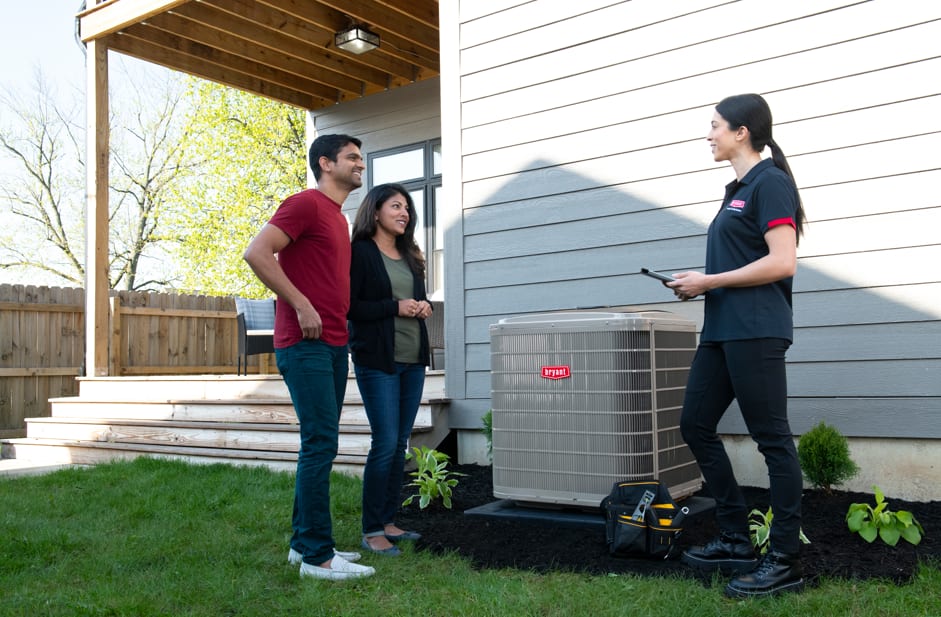
How to Stop AC Short Cycling
To stop AC short cycling, start by checking and replacing a dirty air filter, ensuring all air vents are open, and verifying your thermostat is functioning correctly. If these basic steps do not resolve the issue, professional intervention is required.
First, inspect your air filter and replace it if it is visibly dirty or clogged. Next, walk through your home and make sure all supply and return vents are open and unblocked by furniture or rugs. Check your thermostat to ensure it has fresh batteries and is set to the correct cooling mode. If the system continues to short cycle, you may be dealing with a refrigerant leak, a failing compressor, or an improperly sized unit. In these cases, it is time to call your local Bryant dealer and schedule an AC service appointment to diagnose the advanced mechanical issues.
How Variable Speed Technology Prevents Short Cycling
Bryant energy efficient air conditioners utilize variable-speed technology and intelligent communicating thermostats to eliminate short cycling and maximize home comfort.
Traditional air conditioners operate on a single-stage system, meaning they run at 100% capacity until the room is cooled, then shut off. This often leads to the rapid on-and-off behavior associated with short cycling. Bryant’s Evolution™ inverter air conditioners, however, features variable-speed compressors that operate at lower capacities for longer periods. This allows the system to maintain a consistent temperature and effectively remove humidity without the harsh stops and starts.
When to Call an Expert for AC Short Cycling
You should call your local Bryant dealer for AC short cycling if replacing the air filter and checking the thermostat do not fix the problem. Complex issues like refrigerant leaks or electrical failures require professional AC repair.
Attempting to fix advanced mechanical components yourself can be dangerous and may void your warranty. Your local Bryant dealer has the tools and expertise to accurately measure refrigerant levels, test electrical components, and evaluate the sizing of your ductwork and AC unit.
Relying on an expert ensures your system is repaired correctly, restoring your home's quiet comfort and protecting your long-term investment.
AC Short Cycling FAQs
While not typically dangerous to your health, AC short cycling is dangerous to the lifespan of your HVAC equipment and can lead to complete system failure and expensive repair bills.
You should replace your residential air filter every 1 to 3 months, depending on the filter type, the presence of pets, and your local air quality.
Yes, a weak or dying thermostat battery can cause intermittent communication failures between the thermostat and the AC unit, leading to rapid short cycling.
Costs can range from about $75–$300 for simple fixes like a thermostat or filter issue, up to $500–$1,500+ if the problem involves refrigerant leaks, electrical components, or compressor repairs.
Start by replacing a dirty air filter and checking thermostat placement and settings, as these are common causes. If the issue continues, a professional should inspect for refrigerant issues, electrical faults, or improper system sizing.
A new AC unit may short cycle due to improper sizing (often oversized), incorrect installation, thermostat issues, or airflow problems like blocked ducts or dirty filters.


