About The Author: Travis Baugh is a Digital Brand Marketing Manager for Bryant, where he creates clear, helpful content to guide homeowners through heating, cooling, and indoor air quality decisions. His goal is to empower readers with the knowledge they need to choose the right comfort solutions for their home—confidently and comfortably.
Your Guide to Heat Pump Thermostats
A heat pump thermostat is a specialized control designed to manage your home's heating and cooling system for optimal comfort and energy efficiency. Unlike standard thermostats, it handles the unique functions of a heat pump, including heating, cooling, and auxiliary heat, ensuring reliable performance year-round.
Unlike standard thermostats, these devices are engineered to balance energy efficiency with comfort, ensuring your system only uses backup heating when absolutely necessary. By upgrading to a modern Bryant smart thermostat, you gain precise control over your home's climate, reducing energy waste and enhancing long-term reliability.
How Does A Heat Pump Thermostat Work?
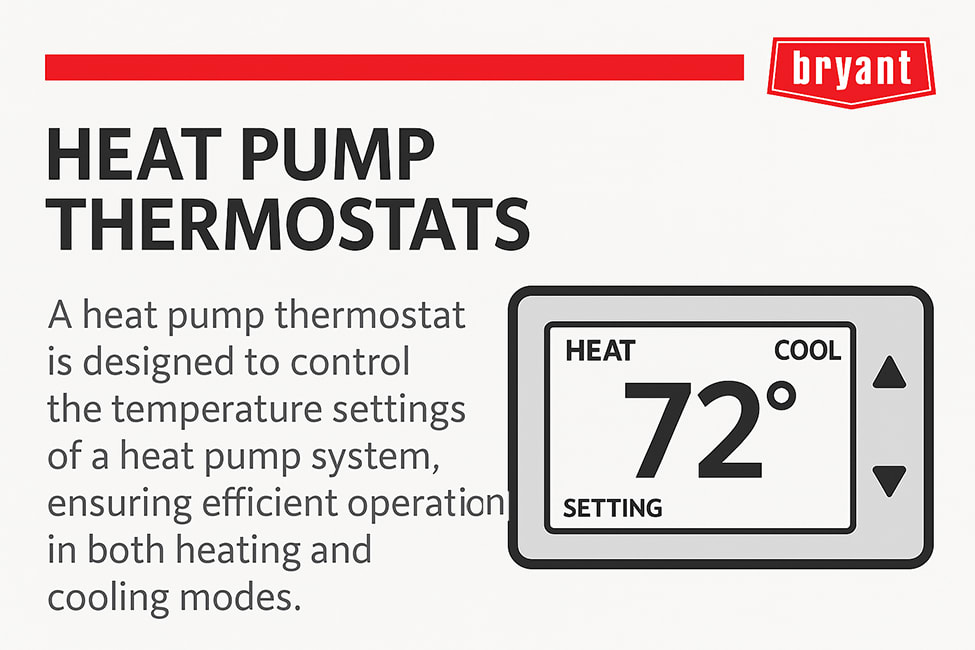
A heat pump thermostat regulates indoor temperature by signaling your system to switch between heating and cooling modes based on your set point. Its most critical function, however, is managing auxiliary heat.
The Role of Auxiliary Heat
A key function of a heat pump thermostat is managing the system's auxiliary heat. When outdoor temperatures drop significantly, the auxiliary heat (often an electric heat strip) supplements the heat pump to maintain warmth. The thermostat activates this feature only when necessary, helping to keep energy costs in check while ensuring your home stays cozy.
Why this matters: Standard thermostats often trigger this backup heat too early, causing energy bills to spike. A dedicated heat pump thermostat uses intelligent algorithms to delay auxiliary heat until it is truly needed, prioritizing the more efficient heat pump cycle to save you money.
What Are the Benefits of a Smart Heat Pump Thermostat?
Upgrading to a smart heat pump thermostat from a manual or non-programmable model offers significant advantages for your home's comfort and energy use.
- Potential energy savings: Smart thermostats learn your family's schedule and temperature preferences, automatically adjusting settings to reduce energy consumption. This intelligent optimization can lead to lower monthly heating and cooling bills.
- Remote access and control: A major benefit is the ability to control your system from anywhere. Using the Bryant SmartHome App, you can monitor and adjust your home's temperature with your smartphone, ensuring your home is perfectly comfortable when you arrive.
- Seamless Integration: Modern devices integrate with smart home ecosystems, offering voice control and automated scenes for effortless comfort.
- Customizable comfort: Create personalized heating and cooling schedules that align with your lifestyle. A smart thermostat from Bryant is an advanced solution that puts both efficiency and customized comfort at your fingertips.
How to Choose the Right Thermostat for Your Heat Pump
Selecting the correct thermostat is crucial for optimizing your heat pump's performance and efficiency.
Verify HVAC System Compatibility
Do I need a special thermostat for a heat pump? Yes. Heat pumps utilize specific wiring (typically O/B terminals) to control the reversing valve. Using a non-compatible thermostat can cause your system to blow hot air when you want cool, or lock out your emergency heat. Learn more about choosing the best smart thermostat for your home.
Look for Advanced Programming Features
Look for models that offer Wi-Fi® connectivity, humidity control, and "staging" capabilities. Staging allows the thermostat to run the heat pump at lower, energy-saving speeds most of the time, only ramping up to high power during extreme weather.
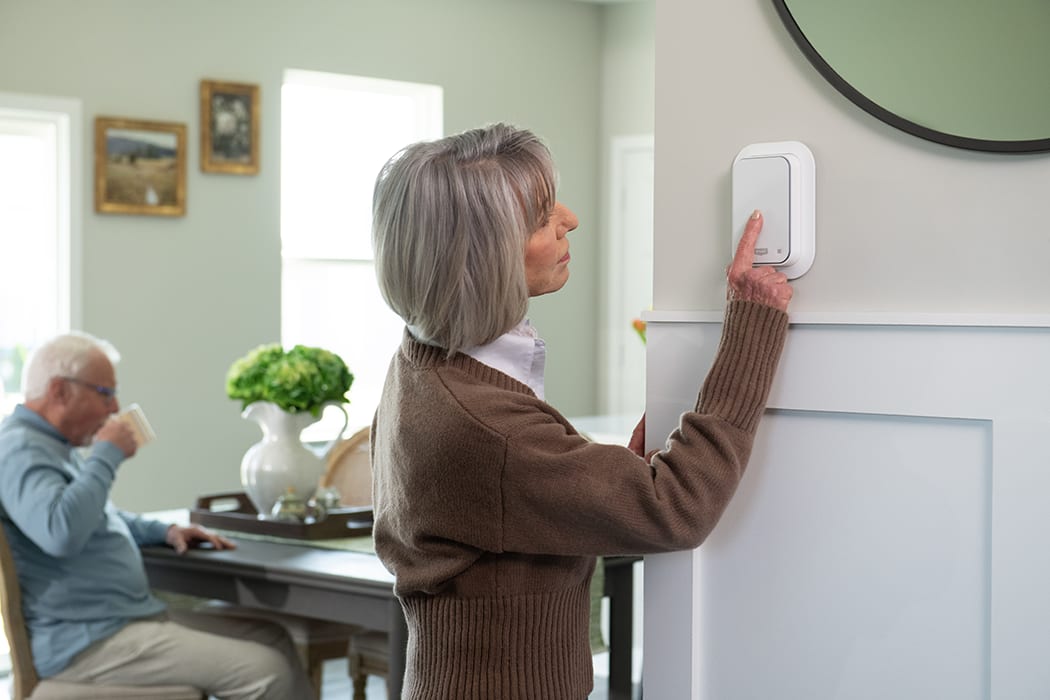
Bryant Heat Pump Thermostats
Bryant offers a portfolio of controls designed to optimize your system's performance.
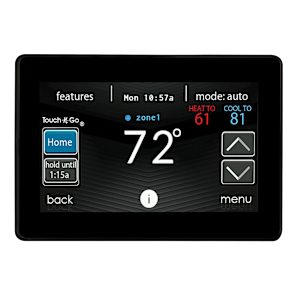
Evolution™ System Control
Bryant’s Evolution System Control unlocks the full potential of an Evolution heating and cooling system. It offers:
- Full management of humidity, airflow, and ventilation.
- Control of up to eight zones.
- Intelligent communication with the heat pump to maximize efficiency ratings.
ecobee for Bryant Smart Thermostats
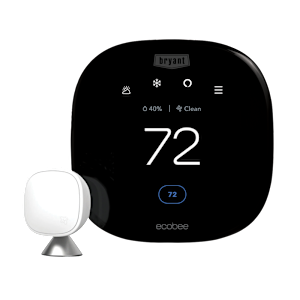
Bryant and ecobee bring you the latest in smart-home comfort. These sleek, intuitive thermostats learn your schedule and temperature preferences, helping you trim energy use.
Link an ecobee for Bryant thermostat to InteliSense-enabled Performance Series equipment, opt in to data sharing, and enjoy proactive alerts plus remote system diagnostics. InteliSense™ technology lets your Bryant dealer monitor system health and resolve issues more quickly—often without a service call.
Bryant Smart Thermostat
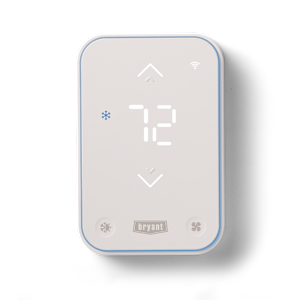
The Bryant Smart Thermostat delivers affordable, Wi-Fi-connected control in a clean, modern package. Touch-sensitive buttons and easy-read icons make changing temperature, mode, or fan settings effortless.
It manages single- and two-stage equipment as well as indoor air-quality accessories, and you can build personalized schedules in the Bryant SmartHome App. With data-sharing permissions, your Bryant dealer gains real-time insights for faster, more reliable service.
Find the Best Heat Pump Thermostat with a Bryant dealer
Connect with a local Bryant dealer to find the perfect thermostat for your heat pump system. A knowledgeable expert will assess your needs and recommend a solution that optimizes efficiency, comfort, and performance for your specific setup. Schedule an appointment today to gain greater control over your home’s climate.
Discover Bryant Smart Thermostats
Choose a Bryant Smart Thermostat for enhanced comfort, convenience, and energy savings. With its intuitive interface and Wi-Fi connectivity, you can easily control your home’s temperature from anywhere using your smartphone. The thermostat learns your preferences, optimizing heating and cooling to fit your schedule, reducing energy waste. It’s also compatible with Bryant heating and cooling systems, offering seamless integration and improved performance. Enjoy greater control and efficiency while keeping your home comfortable year-round.
Heat Pump Thermostat FAQs
A heat pump thermostat is designed specifically to control both heating and cooling functions of a heat pump system, including managing auxiliary and emergency heat settings.
It works by sensing the indoor temperature and signaling the heat pump to switch between heating and cooling modes and activates backup heat when needed in colder temperatures.
It depends. Some heat pump thermostats are specifically designed for heat pump systems, and may not function properly with furnaces, boilers, or electric baseboard heaters unless they support multi-system configurations.
Look for features like dual-stage heating and cooling support, auxiliary/emergency heat control, programmability, Wi-Fi connectivity, and smart learning capabilities for energy-saving automation.
Yes. Heat pumps need a thermostat designed to manage both heating and cooling cycles and auxiliary heat.
Yes. Heat pump thermostats include settings for defrost and auxiliary heat, which standard thermostats lack.
It’s a guideline suggesting your heat pump can maintain indoor comfort until outdoor temperatures are about 20°F colder than your set temperature.
Check the system type and wiring labels, or consult your HVAC professional before replacement.
The 20-degree rule suggests that a heat pump can effectively maintain your home's temperature until the air outside is about 20°F colder than your indoor set point. A good heat pump thermostat monitors this spread to determine exactly when to engage backup heat.
In most cases, yes. However, older systems may require a "C-wire" (common wire) for continuous power. Many Bryant smart thermostats include a power extender kit, but we recommend consulting a professional dealer to ensure safe installation.
Yes, primarily by optimizing the use of auxiliary heat and ensuring the system doesn't run when the house is empty. Smart schedules and geofencing can reduce HVAC energy usage by a significant percentage annually.
Learn More
- Read our thermostat buying guide
- Find out more about wireless thermostats
- Explore how thermostats work
- Learn about thermostat replacement
- Read our energy saving thermostat guide


