About The Author: Travis Baugh is a Digital Brand Marketing Manager for Bryant, where he creates clear, helpful content to guide homeowners through heating, cooling, and indoor air quality decisions. His goal is to empower readers with the knowledge they need to choose the right comfort solutions for their home—confidently and comfortably.
Your Complete Guide to Boiler Thermostats
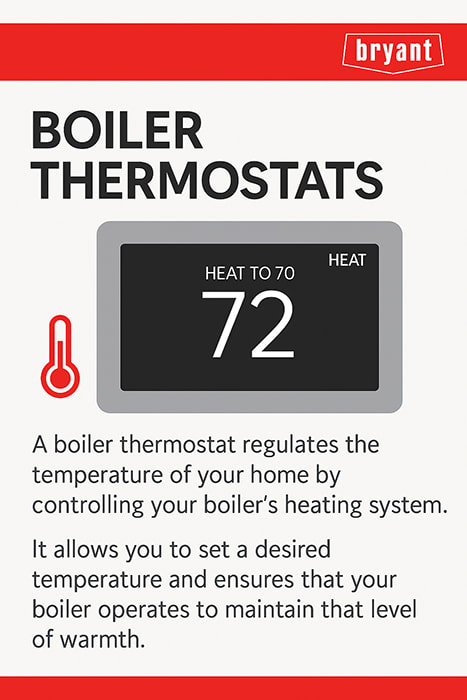
A boiler thermostat is a temperature control device specifically designed to regulate hydronic heating systems by signaling your boiler to turn on or off based on your desired comfort level. By managing your system's operation efficiently, it prevents overheating and unnecessary energy consumption.
Whether you are upgrading your system or simply want to lower your heating bills, understanding how these devices work is the first step toward a more comfortable, energy-efficient home.
How Does a Boiler Thermostat Work?
A boiler thermostat functions as the "brain" of your heating system. It constantly monitors the ambient temperature in your home and communicates directly with your boiler components.
- Detection: When the room temperature drops below your chosen setting (setpoint), the thermostat detects the change.
- Activation: It sends an electrical signal to the boiler to ignite the burner or activate the pump.
- Circulation: The boiler heats water and circulates it through your home's radiators, baseboards, or radiant floor loops.
- Completion: Once the desired temperature is reached, the thermostat signals the boiler to shut off, maintaining a stable environment.
Modern programmable and smart boiler thermostats elevate this process. They allow you to automate these cycles based on your lifestyle, ensuring your home is warm when you wake up and conserving energy while you are away.
What are the Different Types of Boiler Thermostats?
Understanding the available types of boiler thermostats is key to choosing the right control for your home heating system. Each offers a different level of precision and convenience.
Smart & Wi-Fi Thermostats
Offering the ultimate in convenience, these devices connect to your home's Wi-Fi network. You can adjust your home’s temperature remotely via smartphone, view energy usage reports, and integrate with other smart home ecosystems. Smart thermostats often include "learning" capabilities that optimize your schedule automatically to reduce energy waste.
Digital & Programmable Thermostats
A significant step up from manual controls, these allow you to create specific heating schedules for different times of the day or week. This ensures efficiency that pays for itself by lowering the heat when you are asleep or at work.
Mechanical Thermostats
These traditional models use simple dials or levers. While durable, they lack the precision and energy-saving features of modern digital alternatives.
Benefits of a Smart Boiler Thermostat
Why invest in advanced technology for your boiler? A smart thermostat does more than just read the temperature—it revolutionizes your home comfort.
- Remote Access: Adjust your comfort settings from anywhere using the Bryant Home app.
- Geofencing: Automatically adjusts the temperature when you leave or arrive home, ensuring you never heat an empty house.
- Energy Efficiency: Intelligent algorithms learn your household's patterns to minimize runtime and maximize savings.
- System Alerts: Receive notifications about potential system issues before they become major repairs.
How Do I Choose the Right Boiler Thermostat?
Not every thermostat works with every heating system. To ensure reliable performance and safety, consider these factors:
1. System Compatibility
Boilers often use different voltage systems (millivolt or 24V) compared to standard forced-air furnaces. Additionally, some older homes may lack a "C-wire" (Common wire) required to power modern smart thermostats. Always verify that the thermostat is rated for hydronic or boiler systems.
2. Wiring Requirements
If you are upgrading to a Wi-Fi model, you may need a C-wire adapter or a professional installation to ensure the device receives constant power without draining its battery.
3. Features for Your Lifestyle
Look for models with 7-day scheduling, energy reporting, and "Away" modes. A quality thermostat is a key part of an energy-saving strategy for your home.
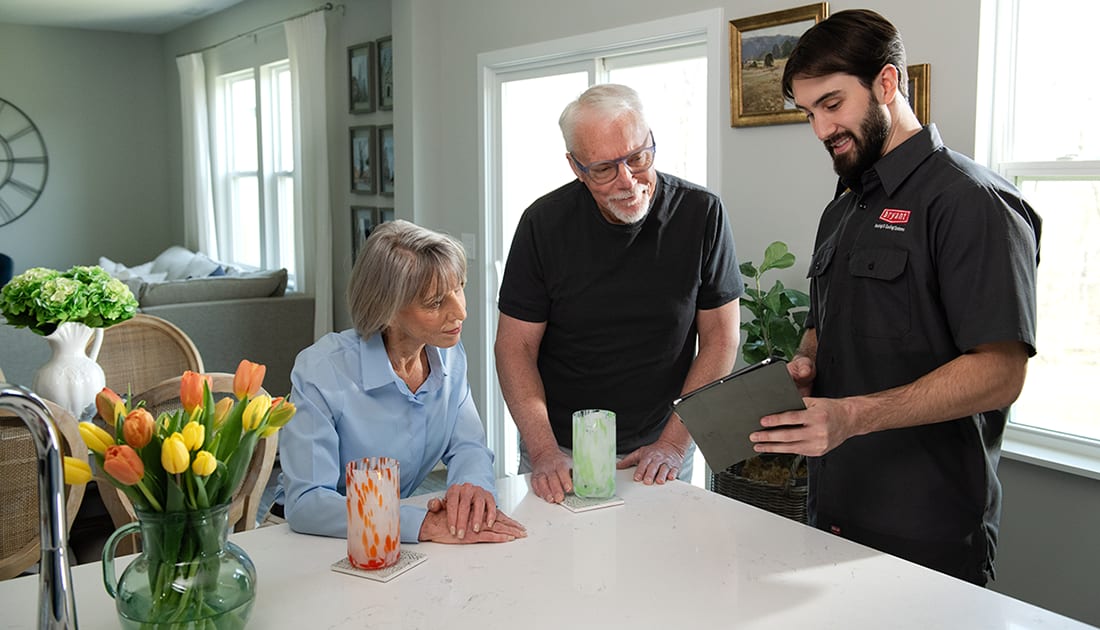
Connect With A Bryant Dealer on Boiler Thermostats
Connect with a Bryant dealer to ensure your boiler thermostat is properly matched to your home’s heating system. A professional can help you select and install a compatible thermostat that maximizes efficiency and comfort. Bryant dealers offer expert guidance on the best thermostat options for boiler systems. Schedule an appointment with your local Bryant dealer today.
Discover Bryant Smart Thermostats
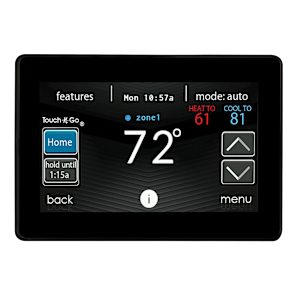
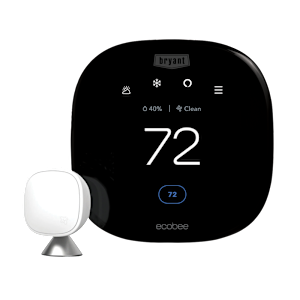
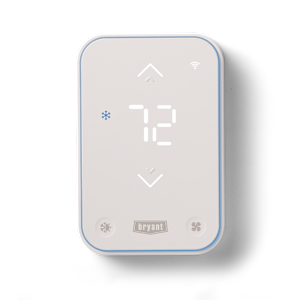
Choose a Bryant Smart Thermostat for enhanced comfort, convenience, and energy savings. With its intuitive interface and Wi-Fi connectivity, you can easily control your home’s temperature from anywhere using your smartphone. The thermostat learns your preferences, optimizing heating and cooling to fit your schedule, reducing energy waste. It’s also compatible with Bryant heating and cooling systems, offering seamless integration and improved performance. Enjoy greater control and efficiency while keeping your home comfortable year-round.
FAQs
Yes, some boilers may require a specific type of thermostat compatible with hydronic heating systems, especially if they use features like zoned control or modulating temperatures.
A boiler thermostat controls the temperature setting for your heating system by signaling the boiler to turn on or off to maintain the desired indoor temperature.
Signs of a bad boiler thermostat include no heat when called for, inaccurate temperature readings, unresponsive controls, or the boiler cycling on and off irregularly.
If the thermostat isn’t working, the boiler may not receive the signal to start, causing it to fail to heat your home or run inefficiently.
Not all thermostats are compatible—it's important to choose one that supports boiler or hydronic systems. Consult your boiler’s specifications or an HVAC professional.
For most systems, professional installation by a certified HVAC technician is recommended to ensure correct wiring and safe operation.
Not always—compatibility depends on voltage and control type.
Most thermostats last 10 to 15 years, depending on model and usage.
Learn More
- Read our thermostat buying guide
- Find out more about wireless thermostats
- Explore how thermostats work
- Learn about thermostat replacement
- Read our energy saving thermostat guide


