About The Author: Travis Baugh is a Digital Brand Marketing Manager for Bryant, where he creates clear, helpful content to guide homeowners through heating, cooling, and indoor air quality decisions. His goal is to empower readers with the knowledge they need to choose the right comfort solutions for their home—confidently and comfortably.
What Is a 3 Ton Heat Pump? Your Guide to Home Comfort
By Travis Baugh | Expert Review By Michelle Notaro - Product Manager, Heat Pumps
A 3 ton heat pump moves 36,000 British Thermal Units (BTUs) of heat per hour. A 3 ton system is commonly used in medium-sized homes, but the right capacity depends on factors such as the home's insulation, layout, windows, and climate—not square footage alone. As an all-in-one solution, a 3 ton heat pump transfers heat to provide both heating and cooling, using electricity rather than burning fossil fuels to generate heat.
If you're considering an upgrade, understanding whether this size matches your home's layout, insulation, and climate is crucial. This guide breaks down how a 3 ton heat pump works, what it costs, and how Bryant 3 ton heat pumps can provide year-round comfort. HVAC
How Does a 3 Ton Heat Pump Work?
A 3 ton heat pump works by transferring heat using electrical power and refrigerant, rather than burning fossil fuels to generate heat. In winter, it extracts ambient heat from outdoor air and moves it inside. In summer, it reverses the process — pulling heat from indoor air and releasing it outside.
This dual-function capability makes it a highly efficient alternative to traditional furnaces and air conditioners. Because the system moves heat rather than creating it through combustion, it can provide efficient heating and cooling while helping maintain consistent indoor comfort. Learn more about what is a heat pump and how do they work and compare heat pumps vs. air conditioners and heat pumps vs. furnaces.
Is a 3 Ton Heat Pump Right for Your Home?
A 3 ton heat pump may be appropriate for a moderately sized, well-insulated home, but square footage alone should not determine system size. Exact sizing depends heavily on insulation quality, home layout, windows, air leakage, and local climate. A 3 ton system may be suitable for some homes around 1,500 to 1,800 square feet, but a professional Manual J load calculation should be used to determine the appropriate capacity for a specific home.
Choosing the right size HVAC system is essential for efficiency. A system that is too small won't keep up with temperature changes. A system that is too large will cycle on and off frequently — a problem known as short-cycling — wasting energy and reducing indoor comfort.

Factors Affecting Heat Pump Size
- Home Layout: Multi-story or open-concept designs impact airflow requirements differently. Open floor plans may have varying needs compared to compartmentalized multi-story layouts.
- Insulation Quality: Better insulation retains conditioned air longer, potentially allowing for a smaller unit.
- Local Climate: Homes in colder regions typically require more heating capacity.
- Window Quality: High-efficiency windows reduce heat gain and loss, lowering the overall load on the system.
- Ceiling Height: Higher ceilings increase the total volume of air that needs conditioning, which can affect sizing.
An improperly sized unit can lead to higher energy bills and reduced comfort. Consulting your local Bryant dealer is the best way to get an accurate assessment and ensure you invest in a system tjat matches your home's heating and cooling requirements.. Learn more about heat pump size.
What Are the Features of Bryant's 3 Ton Heat Pumps?
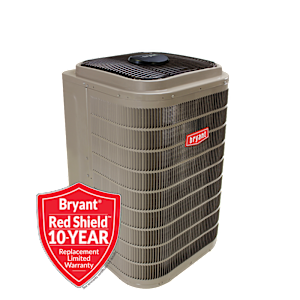
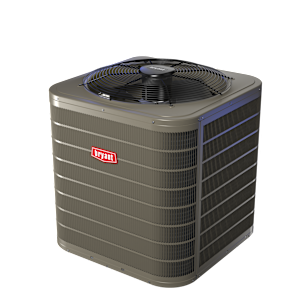
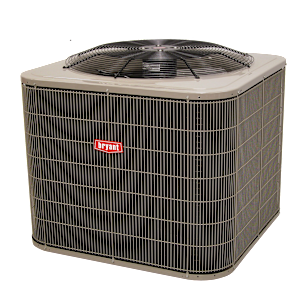
Bryant offers 3 ton heat pumps across its Evolution™, Preferred™, and Legacy™ product lines, including the 293VAN, 248TAN, and 235SAN. These models use different compressor technologies and efficiency levels to provide options for different home comfort needs.
- Energy Efficiency: With impressive SEER2, EER2, and HSPF2 ratings, our systems are designed to deliver exceptional performance while keeping your energy costs manageable. A higher rating means greater efficiency, which benefits both your budget and the environment. Bryant's 293VAN features SEER2 up to 23 and HSPF2 up to 10.5. Learn more about high efficiency heat pumps.
- Variable-Speed Technology: Many Bryant models like the 293VAN feature advanced variable-speed compressors, which allow the system to adjust its output in real time to match your home's heating and cooling needs — delivering even temperatures and consistent comfort year-round. The 293VAN can adjust capacity from 20% to 100%, helping the system match changing heating and cooling demands.
- Quiet Operation: Select Bryant Evolution™ Series models include a Quiet Mode feature, allowing homeowners to limit the unit's sound level directly from the wall control. This reduces disruption on patios and ensures an uninterrupted night's sleep.
- Durability and Reliability: Bryant heat pumps are built with high-quality materials and subjected to rigorous testing, designed to withstand diverse climates and deliver reliable performance for years to come.
Learn more about heat pump benefits.
How Much Does a 3 Ton Heat Pump Cost?
The installed cost of a 3-ton heat pump typically ranges from $6,000 to $20,000. Actual heat pump installation costs vary based on the equipment selected, efficiency, indoor components, electrical requirements, ductwork, installation complexity, geographic location, and other project-specific factors..
Why Is There Such a Wide Price Range?
- Efficiency: Higher SEER2/HSPF2 ratings and advanced equipment such as variable-speed systems can affect upfront cost and operating efficiency.
- Installation Complexity: Heat pump cost varies if you need new ductwork, electrical upgrades, or complex site preparation.
- Features: Advanced features like variable-speed motors and smart controls add value and cost.
Financial Incentives for 3 Ton Heat Pumps
Many homeowners offset these costs through local utility rebates. Additionally, Bryant dealers often offer flexible financing options to make this long-term investment easier to manage.
David Fowler, owner of Family Heating and Air in Pensacola, Florida, explains that financing can help make purchasing a heat pump more manageable and accessible for homeowners.
“With financing, homeowners don’t have to worry about paying a large lump sum upfront at the time of purchase,” Fowler said. “It helps reduce the financial burden by breaking the cost into smaller monthly payments, which can make a new heat pump system much more affordable.”

3 Ton Heat Pump Installation and Maintenance
Proper installation and routine maintenance are crucial for maximizing the lifespan and efficiency of a 3 ton heat pump. Homeowners should change air filters every 1 to 3 months or according to the filter and equipment manufacturer's recommendations and schedule annual professional tune-ups.
Installation
Proper heat pump installation is just as important as the equipment itself. A certified Bryant dealer will ensure the unit is correctly sized, refrigerant levels are precise, and ductwork is properly sealed. This maximizes how long the heat pump lasts and the efficiency of your new 3-ton system.
Maintenance Checklist
Routine heat pump maintenance keeps the system running at peak performance. Key tasks include:
- Filters: Change or clean every air filters regularly to maintain airflow. Learn how to change air filters and how often to change air filters.
- Outdoor Unit: Keep the area around the unit clear of debris, leaves, and snow.
- Professional Tune-ups: Schedule annual HVAC maintenance to check electrical connections, refrigerant pressure, and overall system health.
3 Ton Heat Pump vs. Mini Split: Which Is Right for Your Home?
Both a 3-ton heat pump and a ductless mini-split provide efficient heating and cooling, but they're designed for different applications. The right option depends on your home's ductwork, size, and comfort goals.
A 3-ton central heat pump is typically a practical option if your home already has ductwork and requires whole-home heating and cooling. It distributes conditioned air through your existing duct system, making it a potential fit for homes of approximately 1,500 to 2,000 square feet, although proper sizing should always be based on a Manual J load calculation.
A ductless mini split is often a practical option if your home doesn't have ductwork or if you only need to heat and cool specific areas, such as a room addition, finished basement, garage, or home office. Multi zone mini split systems can also provide whole-home comfort while allowing different temperatures in individual rooms.
In general, a central heat pump can provide whole-home heating and cooling through existing ductwork, while a mini-split can provide flexible zoning for homes without ducts or for selected spaces. An HVAC professional can help determine which option provides the best balance of comfort, efficiency, and installation cost for your home.
Connect With A Bryant Dealer On The Right Heat Pump For Your Home
A 3 ton heat pump can be a suitable solution for homes whose heating and cooling loads match its capacity.. But finding the right type of heat pump involves more than sizing alone; factors like climate, insulation, and home layout all play a role.
A trusted Bryant dealer can assess your specific needs, recommend the best heat pump for your home, and ensure a professional installation. Connect with a Bryant dealer today for your heat pump replacement and experience long-lasting comfort tailored to your home.
Compare Bryant Heat Pumps
Choose a Bryant heat pump for reliable, energy-efficient heating and cooling all year round. Known for their durability and advanced technology, Bryant heat pumps offer superior comfort while lowering energy costs. With quiet operation and smart features like variable-speed motors, Bryant heat pump systems ensure optimal temperature control. Backed by industry-leading warranties and professional installation from your local Bryant dealer, a Bryant heat pump is a long-term investment in comfort, efficiency, and peace of mind for your home.
3 Ton Heat Pump FAQs
A 3-ton heat pump can typically heat or cool 1,500 to 1,800 square feet, depending on your home's insulation, layout, and regional climate.
A 3-ton heat pump generally requires a return air grille of around 20" x 25" or equivalent to 1,200 CFM to ensure proper airflow. Talk to your local HVAC dealer for an exact size.
Whether you need a 3-ton or 4-ton unit depends on a Manual J load calculation performed by your local HVAC contractor, which factors in your home’s size, insulation, windows, and climate.
Usually, yes. A 3-ton system often suits a well-insulated 2,000-square-foot home, but exact sizing should be confirmed with a Manual J load calculation by an HVAC professional.
Installed costs typically range from $6,000 to $20,000, depending on efficiency rating and features.
Yes, modern cold-climate heat pumps are designed to operate efficiently even in freezing temperatures. However, for extreme cold, a dual-fuel system (pairing the heat pump with a gas furnace) might be recommended.
Electricity usage depends on the unit's efficiency (SEER2 rating) and usage habits, but generally, a 3-ton unit uses between 3,000 and 5,000 watts per hour when running.
The main difference is capacity; a 3-ton unit moves 36,000 BTUs/hr, while a 4-ton unit moves 48,000 BTUs/hr. Installing a unit that is too large for your home can lead to short-cycling and high humidity, so bigger isn't always better.
According to industry benchmarks, a well-maintained 3-ton heat pump can last between 15 and 20 years. Regular maintenance and prompt professional repairs are key to maximizing its lifespan and energy efficiency.
In many cases, yes. A 3 ton system often suits a well-insulated 2,000-square-foot home, but the exact fit should be confirmed through a Manual J load calculation by a licensed HVAC professional.
Local utility rebates may be available depending on the unit's efficiency rating and your location. Bryant's rebates and promotions page is a good starting point, and your local dealer can help identify additional incentives available in your area.
About The Expert Reviewer: Michelle Notaro is a Product Manager for Residential Air Conditioners at Bryant, helping guide the direction of residential cooling products. She considers changing homeowner priorities, emerging market developments, and regulatory requirements to support air conditioning solutions that address today's comfort and efficiency expectations.
Learn More About Heat Pumps
- Explore heat pump repair
- Understand what is an electric heat pump
- Learn what is an air source heat pump
- Explore cold climate heat pumps
- Read up on dual fuel heat pumps
- How do I know if I have a heat pump?


