About The Author: Travis Baugh is a Digital Brand Marketing Manager for Bryant, where he creates clear, helpful content to guide homeowners through heating, cooling, and indoor air quality decisions. His goal is to empower readers with the knowledge they need to choose the right comfort solutions for their home—confidently and comfortably.
A Homeowner's Guide to Air Source Heat Pumps
By Travis Baugh
An air source heat pump is an energy-efficient HVAC system that provides both heating and cooling by transferring heat between the indoors and outdoors. In winter, it extracts warmth from outdoor air to heat your home; in summer, it moves indoor heat outside to cool your space. This dual functionality makes an air source heat pump a versatile, cost-effective solution for year-round comfort.
How does an air source heat pump work?
An air source heat pump works by using a continuous refrigeration cycle to absorb, transport, and release heat between your home and the outside environment. A single system acts as both a heater and an air conditioner, delivering consistent, quiet comfort in every season.
As Mike Lea, co-owner of Lea Heating & Air Conditioning in East Dundee, IL, explains:
“An air source heat pump is a heating and cooling system that transfers warm air from outside the home to inside the home in heating mode, and like an air conditioner, transfers warm air from inside the house to the outside of the house in cooling mode,” said.
The Heating and Cooling Cycle
The key component is the refrigerant—a substance that changes from liquid to gas at varying temperatures to transport heat efficiently. Here is how the cycle operates:
- Evaporation: The liquid refrigerant absorbs heat from the outdoor air, causing it to evaporate into a low-pressure gas.
- Compression: The gas is compressed, significantly increasing its temperature and pressure.
- Condensation: This hot, high-pressure gas flows through the indoor unit's coil, releasing its heat into your home's air. As it cools, it condenses back into a high-pressure liquid.
- Expansion: The liquid refrigerant passes through an expansion valve, which lowers its pressure and temperature, preparing it to absorb heat from outdoors again.
This cycle runs continuously, using ambient heat in the air to provide efficient heating and cooling with minimal energy consumption. Learn more about what is a heat pump and how heat pumps work.
How Is Air Source Heat Pump Efficiency Measured?
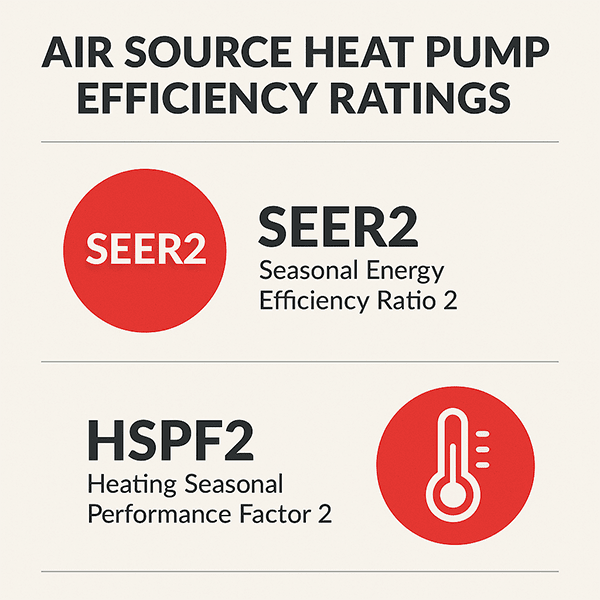
Air source heat pump efficiency is primarily measured using two standardized ratings: SEER2 (Seasonal Energy Efficiency Ratio 2) for cooling and HSPF2 (Heating Seasonal Performance Factor 2) for heating performance. Higher numbers in either rating indicate superior energy efficiency, which translates directly to lower long-term operating costs and reduced energy bills. Learn more about energy efficient heat pumps.
Factors That Impact Air Source Heat Pump Efficiency
To maximize efficiency ratings and ensure your investment pays off, consider these four critical factors:
- Unit Sizing: An incorrectly sized unit—whether too large or too small—will not operate at peak efficiency. Professional sizing is crucial for optimal performance. Learn more about heat pump size.
- Outdoor Temperature: While heat pump efficiency naturally decreases as outdoor temperatures drop, modern cold climate heat pumps are engineered to provide reliable heat even in freezing conditions.
- Installation Quality: A professional heat pump installation ensures correct refrigerant levels, proper airflow, and secure electrical connections—all of which are vital for efficiency.
- Regular Maintenance: Keeping filters clean and scheduling regular heat pump maintenance allows components to operate efficiently and extends the lifespan of the heat pump.
Compared to traditional electric resistance heating systems like baseboard heaters or electric furnaces, air source heat pumps are significantly more efficient and can deliver substantial energy savings over time.
What Are the Types of Air Source Heat Pumps?
The main types of air source heat pumps include single-stage, variable-speed, ducted, ductless (mini-split), and dual fuel systems. Selecting the right type depends on your existing ductwork, budget, climate, and preference for precision climate control.
Single-Stage vs. Variable-Speed
- Single-stage heat pumps operate at one fixed speed, cycling on and off to maintain temperature. They are a consistent and reliable option for budget-conscious homeowners.
- Variable-speed heat pumps adjust their operating speed based on the home's real-time heating or cooling needs. This allows for more precise temperature control, quieter operation, and superior energy efficiency. Variable-speed models are better suited for homeowners who prioritize long-term savings and consistent indoor comfort, while single-stage systems work best when upfront cost is the primary consideration.
Ducted vs. Ductless
- Ducted heat pumps use your home's existing ductwork to distribute conditioned air, making them a natural choice for homes with a central HVAC system already in place.
- Ductless heat pumps, also known as mini split heat pumps, are ideal for homes without ductwork. They consist of an outdoor unit connected to one or more indoor units, enabling zoned heating and cooling for individual rooms. Ductless systems are better suited for additions, older homes, or spaces where running new ductwork is impractical.
Dual Fuel Systems
Dual fuel systems pair an electric air source heat pump with a gas or oil furnace for maximum efficiency across all weather conditions. The system intelligently switches between the heat pump in milder weather and the furnace during extreme cold, ensuring reliable, cost-effective comfort year-round.
| Category | BEST – EVOLUTION SYSTEM | BETTER – PREFERRED SERIES | GOOD – LEGACY LINE |
| Energy Management | Extreme Variable-Speed Operation
Makes subtle adjustments as conditions change to deliver comfort with much higher precision than standard or two-stage models. |
Two-Stage Operation
Automatically chooses between low and high setting to maintain more consistent temperature. Single-Stage Operation Switches on each time the temperature rises above the thermostat set point. |
Single-Stage Operation
Switches on each time the temperature rises above the thermostat set point. |
| Durability | DuraGuard™ Plus Protection
Features galvanized steel cabinets, baked-on powder paint and louvered coil guards. |
DuraGuard™ Plus Protection
Features galvanized steel cabinets, baked-on powder paint and louvered coil guards. |
Basic Humidity Management
Provides basic humidity removal during cooling operation. |
| Humidity Management | Perfect Humidity® Technology
This feature leverages multi-stage systems to maximize humidity removal without over-cooling. |
Enhanced Humidity Management
Provides enhanced humidity removal during cooling operation. |
Bryant Smart Thermostat
Wi-Fi-enabled smart thermostat that offers convenient and connected comfort control. |
| Comfort Management | Evolution Connex™ Control
Our most advanced Wi-Fi®-enabled control, it can maximize efficiency by communicating with components of a complete home comfort system. Extreme Variable-Speed Operation Enjoy consistent temperature, reduced hot/cold spots, and enhanced humidity management. |
ecobee® for Bryant Smart
Thermostats Wi-Fi-enabled smart thermostat learns your schedule for greater efficiency and comfort. Two-Stage Operation Reduced up-and-down temperature swings compared to single-stage systems. |
Single-Stage Operation
Solid, reliable performance that delivers comfort when you need it. |
How do I choose the right air source heat pump?
Choosing the right air source heat pump requires evaluating your home's square footage, local climate zone, existing infrastructure, and preferred smart features. An HVAC professional can perform a load calculation to determine the exact size and recommend the most efficient model for your specific needs.
Key factors to consider include:
- Sizing: Your local Bryant dealer can calculate the precise size needed for your home's square footage, layout, and insulation levels to ensure efficient operation.
- Climate: In colder regions, a heat pump with a high HSPF2 rating is essential. In warmer areas, focus on a model with a high SEER2 rating for cooling efficiency.
- Features: Look for features that enhance comfort and performance, such as variable-speed compressors, noise-reduction technology, and ENERGY STAR® certification.

Air Source Heat Pump Installation
Air source heat pump installation involves setting up an outdoor unit that extracts heat from outside air and transfers it indoors for heating—then reverses the process for cooling. The system connects to indoor air handlers or ductwork, along with electrical wiring and refrigerant lines that allow heat exchange to occur efficiently.
Proper installation is critical for performance. Correct sizing, placement, and commissioning ensure the system operates effectively across different weather conditions. When installed correctly by a qualified professional, air source heat pumps can provide both heating and cooling in a highly energy-efficient way year-round. Learn more about heat pump installation.
How Much Does An Air Source Heat Pump Cost?
An air-source heat pump typically costs between $2,000 and $30,000 installed, depending on the system type, efficiency rating, home size, installation complexity, and whether additional upgrades are needed. Ductless mini-split systems are generally on the lower end of the range, while whole-home ducted heat pumps and higher-efficiency systems typically cost more.
For many homeowners, a whole-home air-source heat pump installation or replacement generally falls in the $6,000 to $25,000 range, with costs increasing for larger homes, premium efficiency equipment, electrical upgrades, ductwork modifications, or dual fuel configurations.
Estimated Air-Source Heat Pump Energy Savings
Ai -source heat pumps can reduce energy costs by transferring heat instead of generating heat through combustion or electric resistance. ENERGY STAR notes that certified air-source heat pumps can deliver significantly higher efficiency by moving heat energy into the home rather than creating it directly.
Potential savings depend on your current heating system, local utility rates, climate, and equipment efficiency. Homeowners replacing older electric resistance heating or inefficient HVAC equipment may see the largest reductions, while savings may be smaller when replacing a newer high-efficiency gas furnace.
Factors that influence heat pump savings include:
- Current heating system: Homes replacing electric resistance heat often have greater savings potential.
- Climate: Cold climate heat pumps are designed to maintain performance in lower temperatures, while dual fuel systems can optimize energy use by switching between a heat pump and furnace when needed.
- System efficiency: Higher SEER2 and HSPF2 ratings typically provide better long-term energy performance.
- Home efficiency: Proper insulation, air sealing, and correctly sized equipment can significantly impact operating costs.
The U.S. Department of Energy shows that high-efficiency air-source heat pumps can provide substantial lifetime energy savings compared with less efficient models, though actual savings vary by climate and electricity rates.
When considering an air source heat pump, homeowners should compare both the upfront installation cost and long-term operating savings. A qualified HVAC professional can evaluate your home, climate, and current heating system to determine whether a heat pump is a cost-effective replacement option.
Work With A Bryant Dealer To Find The Right Air Source Heat Pump
At Bryant, we offer several different types of heat pumps designed with efficiency and performance in mind. Our advanced technologies and innovative features ensure optimal performance and reliability, allowing you to enjoy a comfortable indoor environment while helping reduce your heating and cooling bills.
Whether you're looking for a single-stage or variable-speed heat pump, ducted or ductless system, or a dual fuel option, your local Bryant dealer can identify the best heat pump for your home perform your heat pump replacement. Schedule an appointment with your local Bryant dealer today and start to experience the comfort of an air source heat pump.
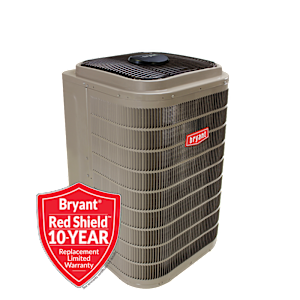
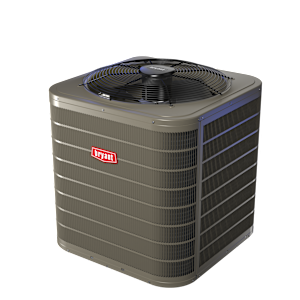
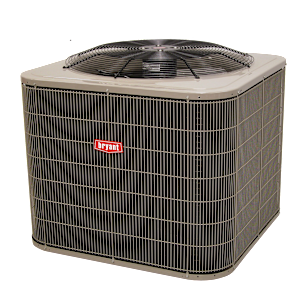
Compare Bryant Heat Pumps
Bryant offers several types of heat pumps designed with efficiency and performance in mind. Advanced technologies and innovative features ensure optimal performance and reliability, helping you maintain a comfortable indoor environment while reducing heating and cooling bills.
Air Source Heat Pump FAQs
A heat pump is a general term for systems that transfer heat to provide heating and cooling, while an air source heat pump specifically extracts heat from the outside air to condition your home.
Air source heat pumps are generally cost-effective to run, especially in moderate climates, and can be cheaper than gas or electric resistance heating depending on local energy prices due to their high efficiency.
Air source heat pumps are most efficient at temperatures above 40°F, though modern cold-climate models maintain strong performance even in subfreezing conditions.
Yes, air source heat pumps can be worth it, especially in regions with mild winters and moderate humidity, where it can deliver efficient year-round comfort.
Most heat pumps last around 10 to 15 years, depending on maintenance and local climate conditions.
Yes, many modern air source heat pumps integrate seamlessly with smart thermostats and home automation platforms. This advanced connectivity allows you to monitor energy usage and precisely control your home's climate from anywhere.
Yes, air source heat pumps continuously circulate and filter your home’s air. When paired with advanced air purifiers and proper humidity management technologies, they can help reduce indoor pollutants and help you breathe cleaner air.
Installation costs vary depending on the system type, home size, existing ductwork, and local labor rates. Visit Bryant's heat pump cost guide for a detailed breakdown of what to expect.
Federal, state, and utility-level incentives may be available for qualifying air source heat pump installations, particularly for ENERGY STAR®-certified models. Contact your local Bryant dealer to find out which programs apply in your area.
Learn More About Heat Pumps
- Explore heat pump repair
- Read our guide to heat pump cost
- Understand what is an electric heat pump
- Discover what is auxiliary heat
- How do I know if I have a heat pump?
- Learn about heat pump benefits


