About The Author: Travis Baugh is a Digital Brand Marketing Manager for Bryant, where he creates clear, helpful content to guide homeowners through heating, cooling, and indoor air quality decisions. His goal is to empower readers with the knowledge they need to choose the right comfort solutions for their home—confidently and comfortably.
Furnace vs Boiler: Making the Right Choice for Your Home Comfort
By Travis Baugh
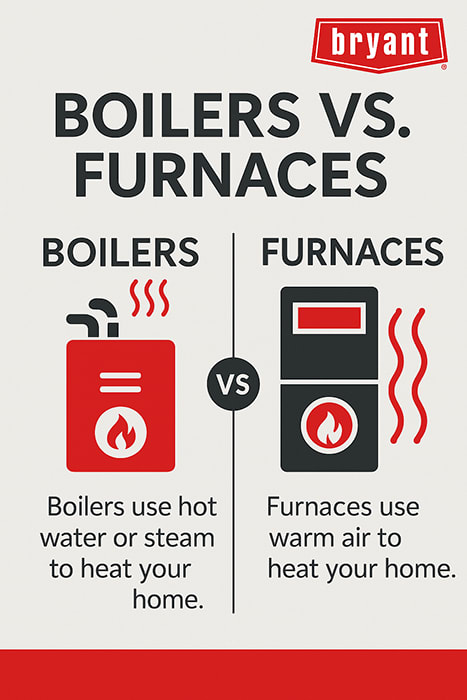
A furnace heats air and distributes it through ductwork; a boiler heats water or steam and circulates it through pipes to radiators or radiant floor systems. That core difference shapes everything—from comfort quality and air quality to installation costs and long-term efficiency. Understanding it is the first step to choosing the right heating system for your home.
What Is the Difference Between a Furnace and a Boiler?
A furnace is a forced-air system; a boiler is a hydronic (water-based) system. The two differ in heat medium, distribution method, installation requirements, and overall comfort experience. The right choice depends on your home's existing infrastructure, your climate, and your priorities around air quality, energy efficiency, and upfront cost.
What is a Furnace?
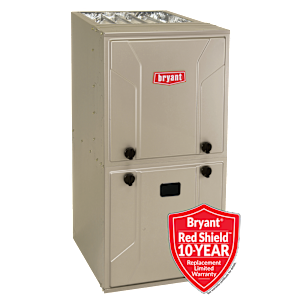
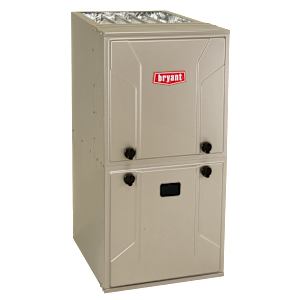
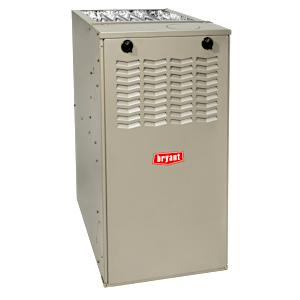
A furnace is a forced-air heating system. It draws in cold air, passes it through a heat exchanger, and blows warmed air through ducts and vents to the rest of the house. Because furnaces share ductwork with central air conditioning, they are the most common heating standard in modern U.S. homes.
- Best for: Homes with existing ductwork and homeowners who want rapid, controllable temperature changes.
- Learn more: What is a furnace?
What is a Boiler?
A boiler uses hydronic heat. It pumps hot water or steam through a piping system to baseboard heaters, cast-iron radiators, or radiant floor loops. Because boilers do not rely on fans to move heat, they provide quieter operation and a different quality of warmth—often described as "heavy" or "cozy"—without circulating dust or allergens through the air.
- Best for: Older homes with existing radiators, or new builds incorporating radiant floor heating for a premium comfort experience.
- Learn more: What is a boiler?
Furnace vs Boiler: Side-by-Side Comparison
When evaluating furnace vs boiler for your home, consider how each system performs across the factors that matter most to long-term comfort and value.
| Feature | Furnace (Forced Air) | Boiler (Hydronic) |
| Heat Medium | Air | Water or steam |
| Distribution | Vents & Ducts | Radiators, Baseboards, Radiant Floors |
| Response Time | Fast (heats rooms quickly) | Slower (steady, consistent heat) |
| Air Quality | Filters air (can spread dust if dirty) | Does not move air (less dust circulation) |
| Noise Level | Audible fan noise | quiet operation |
| Cooling | Compatible with central AC | Requires separate AC |
Which Is More Energy Efficient: A Furnace or a Boiler?
Both furnaces and boilers can achieve high energy efficiency—the best system depends on your home's infrastructure and how each is installed and maintained. A furnace is better suited for homes that already have ductwork and want fast, flexible heating with the option to connect central AC. A boiler works best when consistent, allergen-free warmth is a priority, or when radiant floor heating is part of a renovation or new build.
Both systems measure efficiency using AFUE (Annual Fuel Utilization Efficiency), which represents the percentage of fuel converted into usable heat. Modern Bryant high efficiency furnaces achieve up to 98% AFUE, meaning nearly all fuel consumed becomes home-heating energy. However, forced-air furnaces can lose efficiency through leaky ductwork, making duct sealing critical to peak performance.
Boilers often deliver strong efficiency because water retains heat longer than air, reducing the energy needed to maintain consistent warmth. High-efficiency condensing boilers also reach impressive AFUE ratings. While boilers typically carry a higher upfront installation cost, the absence of ductwork heat loss can translate into meaningful long-term savings.

Furnace vs Boiler Cost: What to Expect
Cost is one of the most common decision factors when comparing furnace vs boiler systems.
- Furnaces generally have a lower upfront installation cost, especially in homes with existing ductwork. Natural gas furnaces are among the most affordable heating systems to install.
- Boilers carry a higher upfront cost due to the complexity of piping, radiator installation, or radiant floor infrastructure. However, their long-term operating costs can be lower due to the heat-retaining properties of water.
The total cost of ownership—factoring in installation, fuel costs, maintenance, and system lifespan—is the most reliable measure of value. A Bryant dealer can provide a personalized cost analysis for your specific home and region.
Maintenance Essentials
Proactive maintenance is the most effective way to protect your investment, extend equipment life, and avoid unexpected repairs—regardless of which system you choose.
Furnace Maintenance
- Filter Changes: Replace filters every 1–3 months to maintain airflow and air quality. Learn more about how to change air filters and how often to change air filters.
- Duct Inspection: Check for leaks that can quietly compromise efficiency and raise energy bills.
- Annual Tune-Up: Schedule a professional furnace tune-up each year to catch issues before they escalate.
Learn more about furnace maintenance.
Boiler Maintenance
- Pressure Checks: Ensure system pressure stays within the recommended range.
- Bleeding Radiators: Release trapped air pockets that prevent radiators from heating fully.
- Water Levels: Monitor water levels consistently to prevent system damage.
- Annual Tune-Up: Like furnaces, boilers benefit from a yearly professional inspection.
Scheduling an annual furnace tune-up or boiler service is the best way to extend your equipment's lifespan and avoid unexpected furnace repairs or boiler repairs.
How Long Does A Boiler Last vs. A Furnace?
The lifespan of a heating system depends on the equipment type, installation quality, usage, and maintenance schedule. In general, boilers last longer than furnaces because they have fewer moving parts and experience less wear during operation.
A furnace typically lasts 15 to 20 years with regular maintenance, including annual inspections and routine air filter replacement. As furnaces age, components such as the blower motor, ignitor, heat exchanger, and control board may require repairs, and replacement may become more cost-effective once repair costs increase. Learn more about how long a furnace lasts.
A boiler typically lasts 20 to 30 years when properly maintained, with some high-quality systems lasting even longer. Because boilers use water or steam to distribute heat and generally have fewer mechanical components than forced-air furnaces, they often experience less wear over time.
While boilers usually have a longer lifespan, the best heating system for your home depends on factors such as climate, energy costs, comfort preferences, and installation requirements. Regular professional maintenance can help maximize the efficiency and service life of either system.
Connect With A Bryant Dealer On Furnace vs Boiler
Choosing between a furnace and a boiler is a long-term decision—one that deserves expert guidance. A Bryant dealer can assess your home's layout, regional climate, and existing infrastructure to recommend the high-efficiency option that's right for you, backed by professional expertise and long-term reliability.
Schedule an appointment for furnace replacement or boiler installation with your local Bryant dealer today.
Compare Bryant Furnaces
Choose a Bryant furnace for reliable, efficient heating that keeps your home comfortable throughout the winter. Known for their durability and advanced technology, Bryant furnaces offer quiet operation, precise temperature control, and energy-saving features like variable-speed motors and 2-stage heating. With a range of models to suit different home sizes and needs, Bryant furnaces are built to last and come with industry-leading warranties, providing peace of mind and long-term value for your home heating system.
Furnace vs Boiler FAQs
A furnace uses forced air to heat a home by blowing warm air through ducts, while a boiler uses hot water or steam circulated through pipes to heat the space.
Boilers can support radiant heating systems, which are ideal for consistent comfort without blowing air or allergens.
A furnace heats air and distributes it through ducts and vents, while a boiler heats water and delivers warmth through radiators or in-floor heating.
Boilers are often more energy-efficient for heating because water retains heat longer than air, but modern high-efficiency furnaces can match or exceed boiler efficiency in some cases.
No. A furnace heats air and distributes it through ducts, while a boiler heats water for radiators or radiant systems.
It depends on your home’s setup. Homes with ductwork may benefit from a furnace; homes with radiators typically stay with a boiler.
If you have vents and warm air blowing, it’s a furnace. If you have pipes and radiators, it’s a boiler.
It depends on fuel costs and efficiency. Boilers are often more energy-efficient because water retains heat longer than air, but natural gas furnaces are generally cheaper to install. A local dealer can calculate ROI based on your local utility rates.
Yes, but it is a complex renovation. Switching from a boiler to a furnace requires installing ductwork throughout the home, which can be invasive and costly. Switching from a furnace to a boiler requires installing radiators or radiant flooring and piping.
Both boilers and furnaces can work well in cold climates, but the best choice depends on your home's design and heating needs. Boilers provide consistent, comfortable heat through radiators or radiant flooring, while furnaces can quickly warm homes using forced air. A high-efficiency furnace is often a practical choice for many homes, while boilers may be preferred in homes designed around radiant heating.
Yes, some homes use both a furnace and boiler to provide different types of heating. A dual system can combine the fast heating and air circulation of a furnace with the comfort of radiant heat from a boiler, allowing homeowners to customize comfort throughout their home.
Learn More About Furnaces
- Learn how much is a new furnace
- Discover what is a heat pump vs furnace
- Explore what is a furnace
- Find out how long does a furnace last
- Explore types of furnaces
- Understand gas vs electric furnaces


