About The Author: Travis Baugh is a Digital Brand Marketing Manager for Bryant, where he creates clear, helpful content to guide homeowners through heating, cooling, and indoor air quality decisions. His goal is to empower readers with the knowledge they need to choose the right comfort solutions for their home—confidently and comfortably.
Your Guide to Electric Heat Pumps
By Travis Baugh
An electric heat pump is a versatile, energy-efficient HVAC system that handles both heating and cooling for your home. Instead of generating heat by burning fossil fuels, it uses electricity to transfer heat—moving it indoors during winter and outdoors during summer.
For homeowners seeking long-term comfort and efficiency, this innovative technology is the ideal choice for enhancing your home's environment. By investing in an electric heat pump, you have the potential to lower your heating and cooling bills, reduce your carbon footprint, and enjoy a reliable, seamless climate control experience all year round.
How Does an Electric Heat Pump Work?
An electric heat pump works by using electricity and refrigerant to move heat from one place to another. In the summer, it acts like an air conditioner by moving indoor heat outside, and in the winter, it reverses this process to extract ambient heat from the outdoor air and bring it inside.
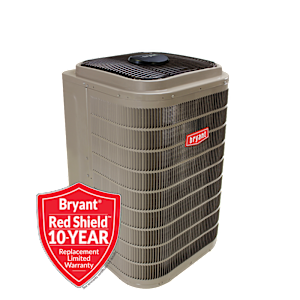
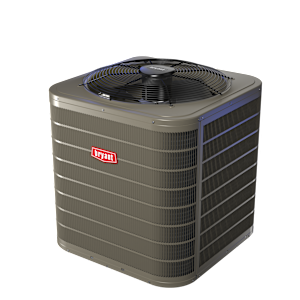
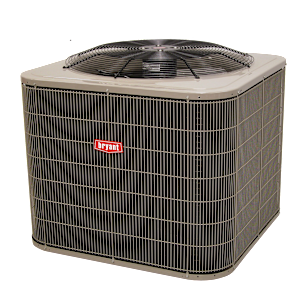
The heat pump system consists of three primary components: an outdoor unit, an indoor unit, and refrigerant.
- Heating Mode: In winter, the outdoor unit extracts ambient heat from the outside air. The refrigerant absorbs this heat and transforms into a gas. A compressor then pressurizes the gas, raising its temperature significantly. This hot gas flows to the indoor unit, releasing its heat into your home's air, which is then circulated by a fan.
- Cooling Mode: In summer, the process reverses. The indoor unit removes heat from your home's air and transfers it to the outdoor unit, which releases it outside, effectively functioning as an air conditioner.
What Are the Benefits of an Electric Heat Pump?
The main benefits of an electric heat pump include superior energy efficiency, environmentally friendly operation, and the convenience of a single system for both heating and cooling. These systems provide a modern solution for home comfort that pays for itself over time.
1. Superior Energy Efficiency
Because heat pumps transfer heat rather than creating it, they consume significantly less energy than traditional gas furnaces or resistance heaters. This efficiency can lead to substantial savings on monthly energy bills.
“A major benefits of of a heat pump system is the high efficiency it uses to heat your home,” Mike Lea, co-owner of Lea Heating & Air Conditioning in East Dundee, IL said. “If you're in an all-electric home, heat pumps are much more about two to three times more efficient to heat your home with a heat pump versus using only electric resistance heating.”
Learn more about heat pump benefits.
2. Environmentally Friendly Operation
By relying on electricity instead of fossil fuels, electric heat pumps produce fewer direct emissions than gas or oil heating systems. This makes them a cleaner, more eco-friendly choice. Pairing an electric heat pump with renewable energy sources like solar panels can reduce your carbon footprint even further.
“Heat pumps pair well with customers who have solar panels on their roofs,” Lea said. “Anyone with solar panels should no doubt consider a heat pump system to utilize some of that free electricity costs that solar panels are producing.”
3. A Single System for Heating and Cooling
Forget maintaining separate systems for different seasons. A heat pump streamlines your home’s climate control into one reliable unit, providing advanced warmth in winter and powerful cooling in summer.
What Are the Different Types of Electric Heat Pumps?
The three most common types of electric heat pumps are air-source systems, ground-source (geothermal) systems, and ductless mini-split systems. Choosing the right configuration depends largely on your home’s infrastructure, available space, and local climate.
- Air source heat pumps: Air-source systems are better suited for standard residential homes looking for a cost-effective, highly efficient upgrade. They extract heat from the outside air during winter and release heat into the outside air during summer.
- Geothermal heat pumps: Geothermal systems work best when homeowners have suitable land and want to maximize long-term energy savings. A network of underground pipes exchanges heat with the earth's stable temperature, making them exceptionally durable and efficient.
- Ductless mini split systems: Ductless systems are the ideal choice when your home lacks existing ductwork or when you want to create customized temperature zones in individual rooms.
What Advanced Technologies Are Used in Modern Heat Pumps?
Modern electric heat pumps use advanced technologies like variable-speed compressors, smart home integration, and Hybrid Heat® dual-fuel functionality to maximize efficiency and comfort.
- Variable-Speed Compressors: Unlike older single-speed compressors that only run at full power, variable-speed models adjust their output based on your home's exact needs. This allows them to maintain a consistent temperature, reducing energy consumption and lowering your bills
- Smart Thermostat Integration: Connecting your heat pump to a smart thermostat gives you precise control over your home's climate. You can create schedules, adjust settings remotely, and let advanced algorithms optimize energy usage based on your preferences, saving money without sacrificing comfort.
- Hybrid Heat® Functionality: A Hybrid Heat® system, or dual fuel heating systems, combines an electric heat pump with a traditional gas furnace. The system intelligently switches between the two fuel sources, using the heat pump for efficiency in milder weather and the furnace for powerful warmth in extreme cold, ensuring reliable comfort and cost savings.
How Do I Choose the Right Electric Heat Pump?
To choose the right electric heat pump, you must evaluate the system's size and capacity, energy efficiency ratings (SEER2 and HSPF2), and operational noise levels.
- Size and Capacity: The right size depends on your home's square footage and local climate. An undersized unit will struggle to keep your home comfortable, while an oversized one can waste energy. A qualified Bryant dealer can perform a load calculation to determine the perfect fit. Learn more about heat pump size.
- Energy Efficiency Ratings: Look for high SEER2 (Seasonal Energy Efficiency Ratio 2) for cooling and HSPF2 (Heating Seasonal Performance Factor 2) for heating. An ENERGY STAR® certified model meets strict federal efficiency guidelines, which can lead to lower energy bills and potential eligibility for rebates.
- Noise Level: Modern heat pumps are engineered for quiet operation. Select Bryant Evolution™ models feature a Quiet Mode that allows you to limit the unit's sound level directly from the thermostat, ensuring your peace and quiet isn't disturbed.
Find Your Ideal Electric Heat Pump with a Bryant Dealer
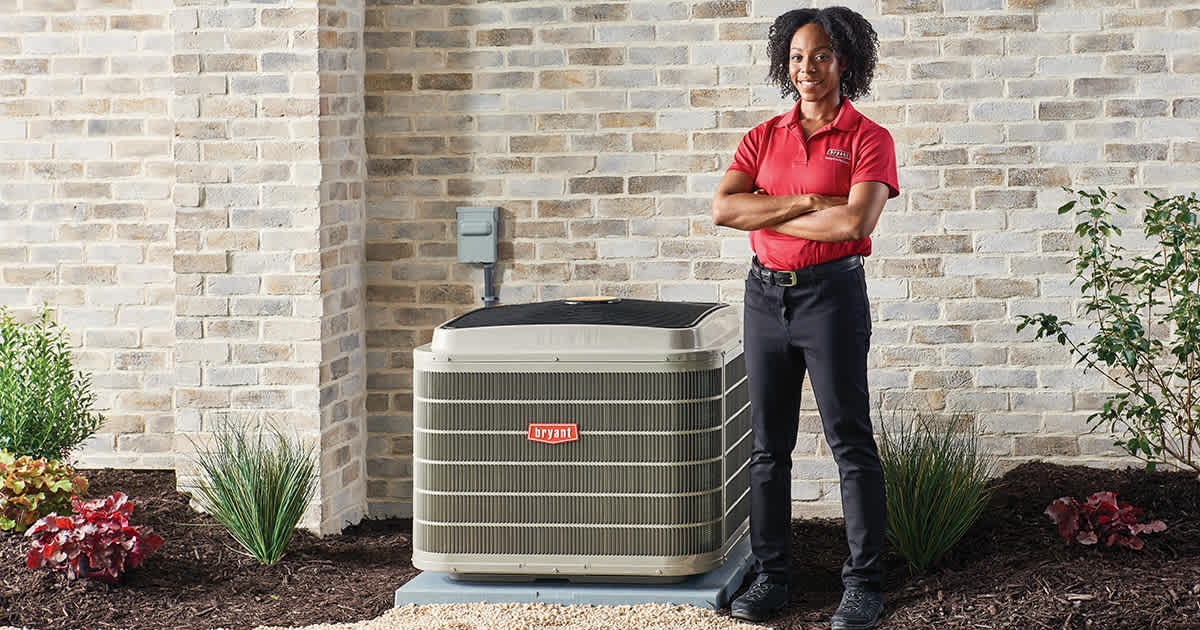
A Bryant electric heat pump is a long-term investment in your home's comfort, efficiency, and value. Our systems are known for their durability, advanced technology, and quiet, reliable performance. Work with your local Bryant dealer to find the right heat pump replacement for your home.
Compare Bryant Heat Pumps
Choose a Bryant heat pump for reliable, energy-efficient heating and cooling all year round. Known for their durability and advanced technology, Bryant heat pumps offer superior comfort while lowering energy costs. With quiet operation and smart features like variable-speed motors, Bryant systems ensure optimal temperature control. Backed by industry-leading warranties and professional heat pump installation from your local Bryant dealer, a Bryant heat pump is a long-term investment in comfort, efficiency, and peace of mind for your home.
Learn More About Heat Pumps
- Discover what is a heat pump
- Explore heat pump repair
- Read our guide to heat pump cost
- Learn about heat pump maintenance
- Explore cold climate heat pumps
- How do I know if I have a heat pump?
Electric Heat Pump FAQs
Yes, modern air-source heat pumps are designed to operate efficiently even in freezing temperatures. For extreme cold climates, cold climate heat pumps or dual-fuel systems (Hybrid Heat®) are recommended to ensure consistent warmth.
With proper maintenance, an electric heat pump typically lasts about 15 years. Regular servicing by a professional helps extend the lifespan and maintain efficiency.
No. Many modern electric heat pumps are designed for quiet operation. Many premium models feature advanced sound-dampening technology and dedicated quiet modes to ensure your peace is never disturbed.
Yes, an electric heat pump is a versatile system that can provide both heating and cooling, allowing it to replace a traditional furnace and standalone air conditioner. However, it still requires an indoor unit, such as a fan coil or air handler, to move conditioned air through your ductwork. Together, the outdoor heat pump and indoor unit work as a complete system to deliver efficient, year-round comfort.


