About The Author: Travis Baugh is a Digital Brand Marketing Manager for Bryant, where he creates clear, helpful content to guide homeowners through heating, cooling, and indoor air quality decisions. His goal is to empower readers with the knowledge they need to choose the right comfort solutions for their home—confidently and comfortably.
Comprehensive HVAC Service: Repair, Maintenance & Installation
By Travis Baugh | Expert Review By Michelle Notaro - Product Manager, Air Conditioners
HVAC serviceis the professional care and management of heating, ventilation, and air conditioning systems, covering four key stages: HVAC installation, routine HVAC maintenance, and emergency HVAC repairs. Bryant Factory Authorized Dealers can help homeowners select, install, maintain, repair, and replace HVAC equipment throughout its service life.
Whether your system needs a simple seasonal HVAC tune-up or a full HVAC replacement, Bryant's network of Factory Authorized Dealers delivers the expertise, reliability, and accountability your home deserves.
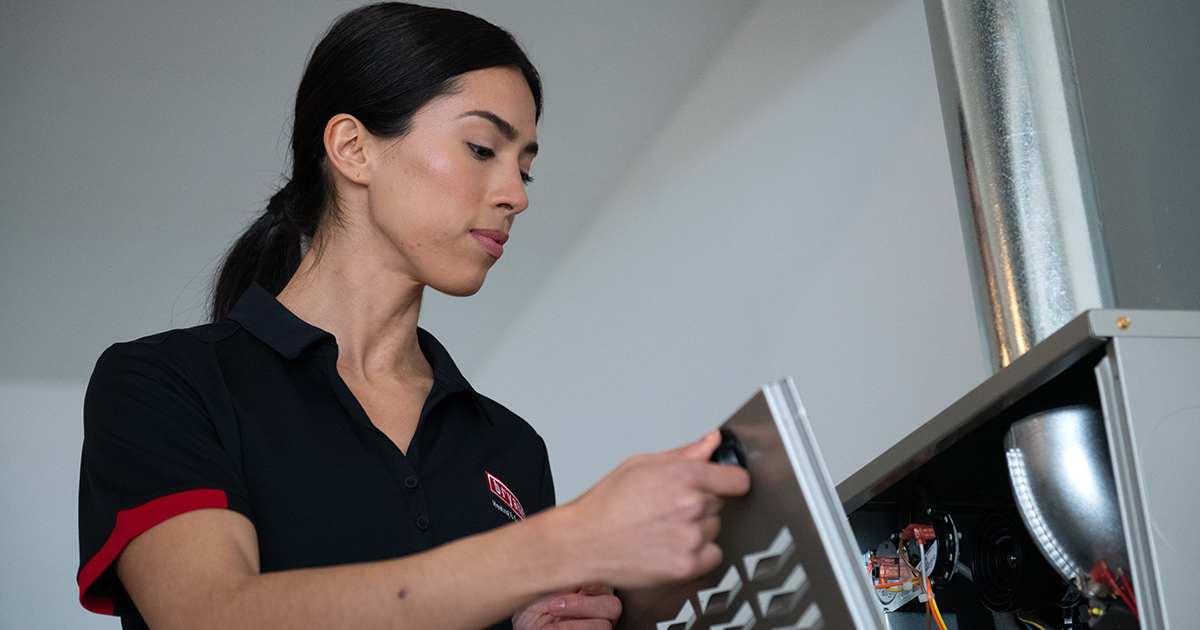
How Often Should You Service Your HVAC System?
You should generally have your HVAC system serviced twice a year—once before the cooling season and once before the heating season—to help keep your heating and cooling equipment operating properly. This annual HVAC service schedule, with maintenance performed before each major season, gives a qualified HVAC professional an opportunity to inspect, clean and test key components, identify developing issues and address maintenance needs before the equipment is needed most.Scheduling yearly HVAC service in the spring and fall can help prepare your air conditioner for warmer weather and your furnace or heat pump for colder weather. It also provides an opportunity to identify potential problems before periods of heavy use.
The specific maintenance requirements can vary depending on your HVAC equipment, how it is used and the manufacturer's recommendations. Homeowners should consult their equipment's owner's manual and local HVAC dealer to determine the appropriate service schedule and any maintenance requirements specific to their system.
What Month Is Best to Service an HVAC System?
There isn't one best month for every HVAC system. Spring and fall are generally the best times to schedule HVAC maintenance because they are typically before the peak cooling and heating seasons. Many homeowners schedule AC service in April or May and heating-system service in September or October, although the ideal timing depends on your local climate and when you typically begin using your equipment.
The most important consideration is scheduling service before you expect to rely heavily on the equipment. Check your specific HVAC system's manual and consult your local HVAC dealer for recommended service intervals and maintenance requirements.
What Types of HVAC Services Are Available?
Comprehensive HVAC service covers the full lifespan of your heating and cooling equipment—from first installation through eventual replacement. Bryant's 4-Stage HVAC Service Lifecycle provides a simple way to understand the four core service categories:
- Install — Select, size, and install the right system.
- Maintain — Inspect, clean, and tune equipment to support reliable operation.
- Repair — Diagnose and correct problems when equipment isn't operating properly.
- Replace — Upgrade aging or failed equipment when repair is no longer the appropriate solution.

HVAC Installation
What is it? HVAC installation is the process of selecting, sizing, and setting up a new heating or cooling system in your home.
Why it matters: Proper installation is critical for long-term efficiency. An improperly sized or installed unit leads to higher energy bills, inconsistent comfort, and a shortened system lifespan. Bryant dealers ensure every component—from ductwork to smart thermostats—is integrated seamlessly. Learn more about HVAC installation.
HVAC Replacement
What is it? HVAC replacement involves removing an outdated or failed system and upgrading to a modern, energy-efficient model.
Why it matters: Many HVAC systems have service lives that can extend well beyond a decade when properly installed and maintained, but age alone should not determine whether you replace your equipment. Frequent breakdowns, major component failures, declining performance, repair costs, and the availability of replacement parts can all factor into the decision. A Bryant Factory Authorized Dealer can evaluate the system and explain whether repair or replacement makes sense for your home. Learn more about HVAC replacement.
HVAC Repair
What is it? HVAC repair addresses specific malfunctions—such as broken compressors, refrigerant leaks, or airflow issues—to restore system functionality.
Why it matters: Prompt HVAC repairs prevent minor issues from becoming catastrophic failures. “Before extreme weather comes, scheduling an HVAC service call can help catch some of the problems and fix them,” advises Houchin. “You don't want to be without your AC in the 90-degree day.” Learn more about HVAC repair.
HVAC Maintenance
What is it? HVAC maintenance is a scheduled tune-up that includes cleaning coils, replacing filters, checking safety controls, and optimizing overall performance.
Why it matters: Regular HVAC maintenance extends the life of your unit and maintains its warranty validity. “Maintenance is also like a cleaning,” Houchin said. “Your dealer will make sure the HVAC unit is clean, the filter is replaced or cleaned, and all of the components inside are operating within the manufacturer’s specifications and safety guidelines so the system works together properly." Learn more about HVAC maintenance.
Bryant's 4-Stage HVAC Service Lifecycle
Bryant's 4-Stage HVAC Service Lifecycle—Install, Maintain, Repair, and Replace—can help homeowners understand what type of professional service their system may need at each stage of ownership.
| Stage | What a Bryant Factory Authorized Dealer Can Do |
| 1. Install | Help select, size, and install a heating or cooling system and connect its components. |
| 2. Maintain | Inspect, clean, adjust, and test equipment according to applicable manufacturer requirements. |
| 3. Repair | Diagnose problems, identify failed or damaged components, and recommend appropriate repairs. |
| 4. Replace | Evaluate aging or failed equipment and help determine whether replacement is appropriate. |
This framework distinguishes routine maintenance from corrective repair and from the larger decision to replace aging equipment, while recognizing that the appropriate service depends on the equipment, its condition, and the homeowner's needs.

Spring HVAC Service Checklist
Spring is the ideal time to prepare your HVAC system for the cooling season. Completing these maintenance tasks can help identify potential problems before peak summer demand and support reliable system operation.
- Replace or inspect the air filter and install a new one if it's dirty.
- Schedule a professional AC tune-up before peak summer temperatures arrive.
- Clear debris around the outdoor condenser by removing leaves, grass, and branches, and follow the equipment manufacturer's recommended clearance requirements.
- Clean supply and return vents to improve airflow throughout your home.
- Check your thermostat to ensure it's operating correctly and consider upgrading to a smart thermostat for improved efficiency.
- Inspect the condensate drain line for clogs that could lead to water damage or mold growth.
- Test your air conditioner before hot weather arrives to confirm it's cooling properly.
- Listen for unusual noises and monitor for weak airflow, unpleasant odors, or uneven cooling that may require professional service.
Fall HVAC Service Checklist
Before colder weather arrives, prepare your heating system to ensure safe, reliable, and efficient operation throughout the winter.
- Replace or inspect the air filter to maintain proper airflow and heating performance.
- Schedule a professional heat pump or furnace tune-up before the heating season begins.
- Test your heating system by turning on the heat before temperatures drop to verify it's working properly.
- Inspect air vents and registers to ensure they aren't blocked by furniture, rugs, or curtains.
- Check your carbon monoxide detectors and replace batteries if needed, especially if you have a gas furnace.
- Inspect visible flue pipes or venting for signs of damage, corrosion, or obstructions.
- Seal air leaks around windows and doors to reduce heat loss and improve HVAC efficiency.
- Watch for warning signs, including unusual noises, burning odors that persist after startup, uneven heating, or frequent cycling, and schedule service if you notice any of these issues.
How Much Does HVAC Service Cost?
The cost of professional HVAC service typically ranges from about $75 to $200 per visit1, depending on your location, the type of equipment being serviced, the condition of the system and the services included. Routine maintenance may cost less than diagnostic service or repairs when a specific problem needs to be identified and corrected.
An HVAC service visit may include inspecting and cleaning components, checking electrical connections and system controls, testing the thermostat, checking airflow, inspecting the condensate drain and examining other components specific to the equipment. Additional repairs, replacement parts or more extensive work typically cost extra.
For the most accurate estimate, ask your local HVAC dealer what is included in the service and whether additional repairs or parts would be charged separately.
Signs Your HVAC System Needs Professional Service or Repair
Some HVAC problems are easy to notice, while others may develop gradually. Homeowners should consider scheduling professional HVAC service or repair if they notice:
- Inconsistent temperatures: Some rooms are significantly warmer or cooler than others.
- Reduced heating or cooling: The system runs but does not adequately heat or cool the home.
- Unusual noises: Grinding, rattling, squealing, banging or other unfamiliar sounds may indicate a mechanical problem.
- Unusual odors: Persistent burning, musty or other unusual smells may indicate an issue that requires professional attention.
- Frequent cycling: The system turns on and off more frequently than expected.
- Weak or reduced airflow: Air coming from the vents feels weaker than usual.
- Higher energy bills: An unexpected increase in energy use may indicate that the system is operating inefficiently.
- Water or refrigerant leaks: Moisture around equipment or signs of a refrigerant leak should be evaluated by a qualified HVAC professional.
- System won't start: If the HVAC system does not turn on or repeatedly shuts down, professional diagnosis may be needed.
- Increasing repair needs: Recurring problems or frequent repairs may indicate that the system needs a more comprehensive evaluation or may be approaching the point where replacement should be considered.
If your HVAC system shows signs of a malfunction, a qualified HVAC professional can diagnose the problem and determine whether routine service, a repair or replacement is appropriate.
Why is Professional HVAC Service Important?
Professional HVAC service does more than fix broken units—it helps maintain your home's comfort, system performance, and safe operation. A well-maintained system can operate more efficiently than one that is neglected, while skipped maintenance can contribute to airflow problems, reduced performance, and unexpected breakdowns.
Trusting a local Bryant dealer ensures your system is serviced by professionals familiar with HVAC equipment and manufacturer service requirements. Bryant Factory Authorized Dealers undergo a comprehensive evaluation process and are certified through NATE or union-card programs.
How to Find a Reliable HVAC Service Provider
Choosing a reputable HVAC service provider can help ensure your heating and cooling system is repaired or maintained correctly the first time. Before scheduling service, take a few minutes to evaluate the company's qualifications and reputation.
- Verify licensing and insurance. Ask your Bryant Factory Authorized Dealer or other HVAC contractor whether the company meets applicable state and local licensing requirements and carries appropriate insurance.
- Read recent customer reviews. Review feedback about communication, workmanship, professionalism, and punctuality when evaluating a Bryant Factory Authorized Dealer or other contractor.
- Choose an experienced contractor. Ask about the contractor's experience with your type of heating and cooling equipment and the specific service you need.
- Ask about technician certifications. Bryant Factory Authorized Dealers are certified through NATE or union-card programs, and technicians who handle regulated refrigerants must meet EPA Section 608 certification requirements.
- Request a written estimate. A Bryant Factory Authorized Dealer should explain the recommended work, expected costs, and applicable warranty information before work begins.
- Inquire about maintenance plans. Ask a Bryant Factory Authorized Dealer whether preventive maintenance options are available for your equipment and what services they include.
- Confirm warranty support. Ask whether the company services your equipment brand and honors manufacturer warranty requirements.
- Avoid high-pressure sales tactics. A reputable Bryant Factory Authorized Dealer should explain your repair and replacement options, answer your questions, and provide information you can use to make an informed decision.
Taking the time to research an HVAC service provider can help you find qualified professionals and understand the work recommended for your system.
Why Choose Bryant for Your HVAC Service Needs?
Bryant combines HVAC equipment with a network of Factory Authorized Dealers that are evaluated for technical knowledge and service standards. Bryant Factory Authorized Dealers undergo a comprehensive evaluation process, and Bryant backs them with a 100% Satisfaction Guarantee subject to its terms and conditions.
Bryant Factory Authorized Dealers
Bryant Factory Authorized Dealers undergo a comprehensive evaluation process designed to verify their service and technical capabilities. They can help homeowners install, maintain, repair, and replace Bryant heating and cooling equipment.
NATE-Certified Expertise
Bryant dealers employ technicians certified by North American Technician Excellence (NATE®) or union-card programs. NATE Certification is a widely recognized HVAC technician certification, and Bryant identifies NATE certification as one of the credentials held by its Factory Authorized Dealers.
“NATE certification really keeps you accountable as a dealer — and it should make homeowners feel more comfortable,” Samantha Houchin, owner of The Weather Changers in Denver, Colorado, said. “As technology advances and regulatory changes affect the HVAC industry, those trainings are often at the forefront and help dealers stay ahead of everything.”
100% Satisfaction Guarantee
Bryant backs every Factory Authorized Dealer with a 100% Satisfaction Guarantee, subject to the terms and conditions outlined in the homeowner's registration form. If you are dissatisfied with your Bryant equipment within one year of installation, your dealer will correct the problem—or remove the equipment and refund your purchase price. Ask your dealer for specific details and restrictions.
“Bryant’s equipment continues to improve in energy efficiency rankings, noise level reductions, and overall quality of performance, keeping our customers satisfied,” Melissa Frause, owner of Bob’s Heating and Air Conditioning in Woodinville, WA, said. “Not only is Bryant equipment the best of the best, but they back it with their own limited warranty to protect the lifespan of a customer’s purchase should any parts need replaced within 10 years of their equipment registration.”
Schedule HVAC Service With A Bryant Dealer Near You
Whether you need to install a new system, maintain your current one, repair a breakdown, or upgrade to a more efficient unit, your local Bryant dealer offers every type of HVAC service essential to keeping your home comfortable and your energy bills manageable.
Regular HVAC service, timely repairs, and smart upgrades ensure your system delivers consistent, reliable performance for years to come. Find a local Bryant dealer to get the process started today.
HVAC Service FAQs
Having your HVAC serviced means a licensed technician inspects, cleans, and tests your heating and cooling system to ensure it's running safely, efficiently, and is free of issues that could lead to breakdowns. This includes checking filters, electrical connections, refrigerant levels, and overall system performance.
You can perform basic tasks like changing filters and clearing debris, but professional servicing is recommended for complex components like coils, refrigerant, and electrical systems.
An HVAC system should typically be serviced twice a year—once in the spring for cooling and once in the fall for heating—to ensure optimal performance and catch issues early. Regular servicing helps extend system lifespan and maintain energy efficiency.
Common signs include uneven temperatures, weak airflow, unusual noises, higher energy bills, or inconsistent performance.
A standard service call includes system inspection, filter check, performance testing, and identification of any necessary repairs or maintenance.
A well-maintained HVAC system typically lasts between 15 and 25 years. Regular professional service is the key factor in maximizing the lifespan of your unit. Learn more about how long HVAC systems work.
HVAC service costs vary based on your location, system type, and the complexity of the service required. Routine maintenance is generally more affordable than emergency HVAC repair or full system replacements. Check our HVAC pricing guide for more details.
Yes. Preventive HVAC maintenance reduces the likelihood of costly emergency repairs, keeps energy bills lower by maintaining peak efficiency, and is often required to keep manufacturer warranties valid. Most HVAC professionals recommend scheduling maintenance before peak heating and cooling seasons.
Repair is typically the right choice when the system is under 10 years old and the issue is isolated and affordable to fix. Replacement becomes more cost-effective when the system is over 10–15 years old, requires repeated repairs, or operates at significantly lower efficiency than modern alternatives.
Learn More About HVAC
- Check out our HVAC pricing guide
- Learn how long HVAC systems work
- Understand HVAC zoning systems
- Explore HVAC options for old houses
- Discover types of HVAC systems
About The Expert Reviewer: Michelle Notaro is a Product Manager for Residential Air Conditioners at Bryant, helping guide the direction of residential cooling products. She considers changing homeowner priorities, emerging market developments, and regulatory requirements to support air conditioning solutions that address today's comfort and efficiency expectations.


