About The Author: Travis Baugh is a Digital Brand Marketing Manager for Bryant, where he creates clear, helpful content to guide homeowners through heating, cooling, and indoor air quality decisions. His goal is to empower readers with the knowledge they need to choose the right comfort solutions for their home—confidently and comfortably.
The Importance of Regular Furnace Inspections
By Travis Baugh
A furnace inspection is a professional safety and performance evaluation conducted by a certified HVAC technician. This annual service identifies potential hazards, optimizes energy efficiency, and ensures your heating system provides reliable comfort throughout the winter.
Investing in long-term comfort starts with proactive care. Regular inspections are not just about preventing breakdowns; they are about securing peace of mind and optimizing your home's environment for the people inside. Advanced HVAC systems require precise tuning to deliver the whisper-quiet operation and energy savings you expect, making routine oversight a critical part of modern homeownership.
Why is a furnace inspection necessary?
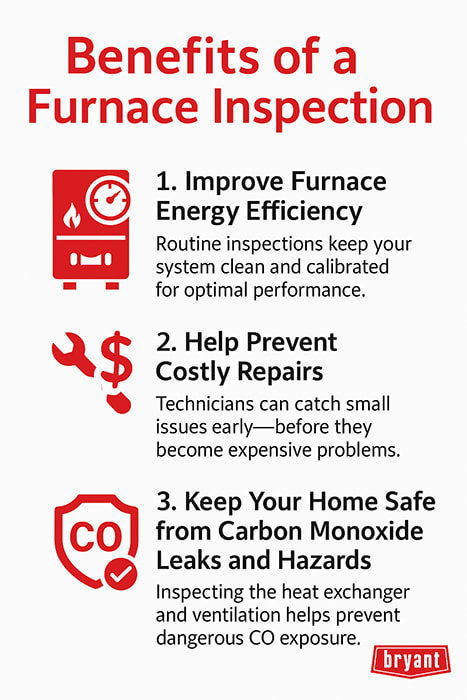
A furnace inspection is necessary to ensure safe operation, maximize energy efficiency, and extend the lifespan of your furnace. Without annual oversight, minor wear and tear can escalate into costly furnace repairs or safety hazards like carbon monoxide leaks.
Yearly inspections act as the key to maintaining a high-performance home heating system. Much like regular vehicle maintenance, your furnace requires an annual check-up to run at its peak. Investing in regular furnace maintenance delivers three major benefits:
- Enhanced Safety: A thoroughly inspected furnace reduces the risk of gas leaks, electrical fires, and carbon monoxide exposure.
- Improved Efficiency: Clean and tuned systems use less energy to heat your home, helping lower monthly heating bills and ensure energy-efficient performance.
- Long-Term Reliability: Catching minor issues early—like a worn belt or dirty sensor—prevents expensive emergency HVAC repairs in the dead of winter.
According to industry experts, proactive HVAC maintenance is non-negotiable.
“Properly maintaining your HVAC equipment ensures it will operate efficiently when you need it most – keeping you warm during those freezing winter months without the risk of an unexpected system malfunction,” Melissa Frause, owner of Bob’s Heating and Air Conditioning in Woodinville, WA, said.
What is included in a furnace inspection?
During a furnace inspection, a technician performs a detailed safety check, tests system performance, and cleans vital components. This process includes examining the heat exchanger for cracks, verifying thermostat calibration, and inspecting air filters to ensure optimal airflow.
The Inspection Checklist
- Safety Checks: Inspecting the heat exchanger for cracks, testing for carbon monoxide, and checking gas lines for leaks.
- Performance Testing: Verifying thermostat settings, testing ignition systems, and measuring airflow.
- Cleaning & Maintenance: Cleaning the burners and blower motor, tightening electrical connections, and inspecting the furnace filter. Learn how to replace air filters and how often to change air filters.
Technicians often identify common issues such as dirty filters, which restrict airflow, or worn-out ignition components. Addressing these promptly ensures your home stays quiet, comfortable, and efficient all season long.
Signs Your Furnace Needs an Inspection
If you notice unusual noises, rising energy bills, inconsistent heating, or strange odors, your furnace likely needs an immediate inspection. These symptoms often indicate underlying issues that, if ignored, could lead to system failure.
Don't wait for a total breakdown to protect your investment. Watch for these clear indicators:
- Unusual Noises: Banging, rattling, or squeaking sounds often point to loose or broken furnace parts.
- Rising Energy Bills: If your usage hasn't changed but your bills have spiked, your system is likely struggling to run efficiently.
- Inconsistent Heating: Cold spots in certain rooms or a furnace that constantly cycles on and off are clear signs of trouble.
- Strange Odors: A persistent burning or musty smell from your vents requires immediate professional attention.
How to choose a furnace inspection company
To choose a reputable furnace inspection company, look for certified technicians, extensive experience with various models, and strong customer reviews. Partnering with the right professional ensures your system receives expert care.
When researching companies, look for:
- Certifications: Verify they employ technicians with North American Technician Excellence (NATE) or Red Seal (Canada) certifications who have demonstrated rigorous expertise in HVAC systems.
- Experience: Choose companies with a proven track record of servicing various furnace models.
- Reputation: Read customer reviews to gauge reliability and furnace service quality.
All Factory Authorized Dealers meet high standards for technical expertise and customer satisfaction.
“Each Bryant Factory Authorized Dealer is thoroughly evaluated and held to a high standard,” Frause said. “They've been recognized by Bryant as having the knowledge and experience to sell, install, and maintain the best heating and cooling systems for homeowners.”
Connect With A Bryant Dealer
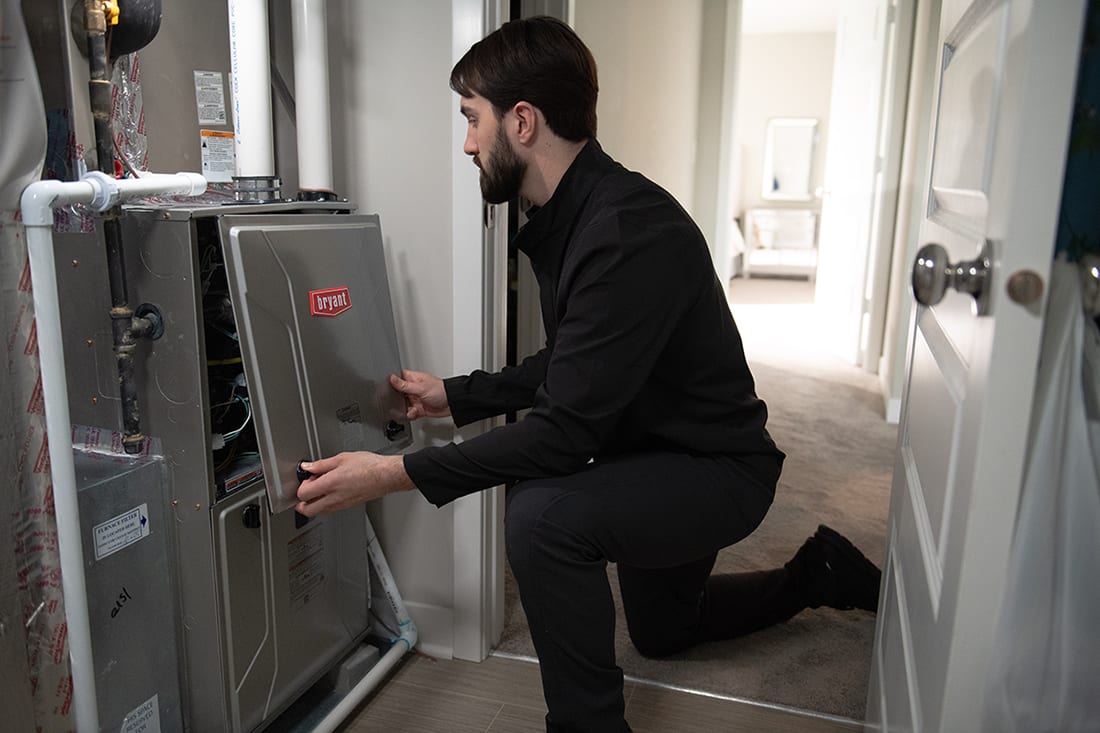
Your local Bryant dealer offers comprehensive furnace inspection services designed to keep your system running smoothly. Their experienced technicians leverage advanced technology to identify and resolve issues promptly, ensuring your home remains a haven of comfort throughout the winter. Schedule an appointment for a furnace tune-up today.
Furnace Inspection FAQs
A furnace inspection involves a thorough check of all components, including the heat exchanger, burners, blower motor, thermostat, electrical connections, and safety controls, ensuring safe and efficient operation.
You should have your furnace inspected once a year, ideally before the start of the heating season to catch issues early and maintain performance.
Signs include unusual noises, uneven heating, frequent cycling, strange odors, or a sudden spike in energy bills—all of which may indicate a problem.
While you can perform basic checks like changing the filter or looking for visible damage, a full inspection should be done by a licensed HVAC technician for safety and accuracy.
A furnace inspection improves safety, energy efficiency, and system longevity, while also helping to prevent breakdowns and costly emergency HVAC repairs.
A standard furnace inspection usually costs $75–$200, depending on location and system type.
Most inspections take about 45–90 minutes, depending on the system’s condition and accessibility.
Yes, several HVAC manufacturers require proof of annual maintenance to keep your warranty valid. Regular furnace inspections ensure your system remains protected under its original warranty terms.
A furnace inspection helps improve indoor air quality by ensuring your system's filters and blowers are clean and operating correctly. This reduces the circulation of dust, allergens, and airborne particles, helping you breathe easier.
Learn More About Furnaces
- Explore furnace replacement
- Learn how much is a new furnace
- Explore what is a furnace
- Get help with a furnace not turning on
- Find out how long does a furnace last
- Explore types of furnaces


