About The Author: Travis Baugh is a Digital Brand Marketing Manager for Bryant, where he creates clear, helpful content to guide homeowners through heating, cooling, and indoor air quality decisions. His goal is to empower readers with the knowledge they need to choose the right comfort solutions for their home—confidently and comfortably.
What is a Mini Split? Guide to Ductless Comfort
By Travis Baugh
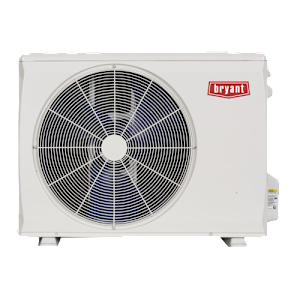
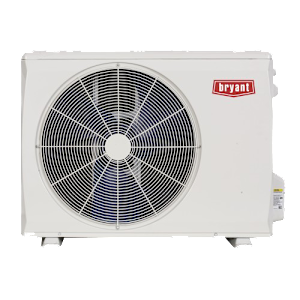
A ductless mini split is a highly efficient heating and cooling system that controls temperatures in individual rooms without the need for traditional ductwork. Unlike conventional central air systems that rely on bulky ducts, mini splits pair an outdoor compressor with one or more sleek indoor air-handling units to deliver precise, intelligent comfort exactly where you need it.
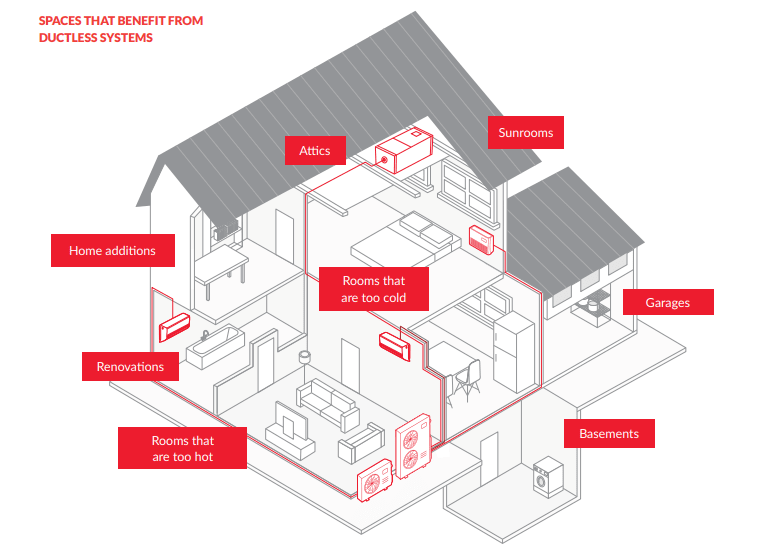
If you are looking for a flexible solution for a new home addition, a garage, or an older house without existing ducts, a mini split offers a whisper-quiet, energy-efficient alternative to window units or space heaters. Investing in comfort has never been more seamless.
How Does a Mini Split System Work?
A mini split works by transferring heat between indoors and outdoors using small refrigerant lines rather than extensive air ducts. Rather than pushing conditioned air through a network of ducts — where energy is routinely lost along the way — a mini split moves heat directly and efficiently. It operates on a simple but powerful exchange principle designed to optimize your home's energy efficiency:
- In the Summer: The system acts as a high-performance air conditioner. The indoor unit absorbs heat and humidity from your room and sends it to the outdoor compressor, which releases it outside.
- In the Winter: Most mini splits function as advanced heat pumps. The outdoor unit extracts heat energy from the outside air — even in freezing temperatures — and transfers it inside to reliably warm your home.
What are the Key Components of a Mini Split?
A mini split system has two main parts connected by a small, unobtrusive conduit through your wall:
- Outdoor Compressor/Condenser: The "engine" that pumps refrigerant and releases or captures heat.
- Indoor Air-Handling Unit: The sleek unit inside your room that circulates conditioned air.
Brian Redmond, owner of Redmond’s Complete Comfort in Lock Haven, Pennsylvania, often describes ductless air conditioners as “spot conditioning” systems.
“The best way to explain a ductless mini-split system is that it’s a spot conditioning system, giving homeowners the ability to condition individual rooms with individual control,” Redmond said. “They’re also much more energy efficient than central units because you can run them room by room instead of conditioning the entire home.”
What Are the Benefits of a Mini Split?
Mini splits offer four key advantages: exceptional energy efficiency, personalized zoned control, simplified installation, and year-round versatility. Homeowners choose mini splits for their versatile technology, significant energy savings, and ease of installation. Here is why they are a smart investment for long-term comfort and property value:
- Exceptional Energy Efficiency: Ductwork in conventional systems can account for significant energy loss. Because mini splits are ductless, they operate with much higher efficiency.
- Personalized Zoned Control: Each indoor unit operates independently, allowing you to set different temperatures for different rooms. This customized comfort means you no longer have to heat or cool unused areas, leading to substantial energy savings.
- Simplified Installation: Installing a mini split is far less invasive than a traditional system. It only requires a small three-inch hole in the wall to connect the indoor and outdoor units, making it ideal for older homes, new additions, or any space without existing ductwork.
- Year-Round Versatility: Most mini split systems are heat pumps, meaning they provide both high-efficiency heating and cooling in one sleek package. This makes them a versatile solution for maintaining perfect comfort throughout the year.
What Are the Different Types of Mini Splits?
Mini splits come in two main configurations — single-zone and multi-zone — and several indoor unit styles. Choosing the right mini split depends on your home's specific layout and your long-term comfort goals.

Should I Choose a Single-Zone or Multi-Zone System?
- Single-Zone Mini Splits: A single-zone system connects one indoor unit to one outdoor unit. This configuration is perfect for conditioning a single room, like a newly renovated sunroom, a master bedroom, or a garage workspace. Single-zone systems are better suited for targeted comfort in one defined space.
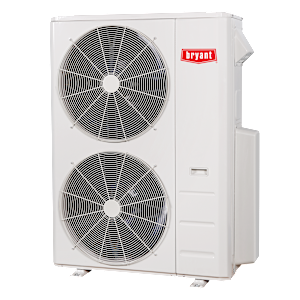
- Multi-Zone Mini Splits: A multi zone mini split system connects multiple indoor units — typically up to five or more — to a single outdoor unit. Multi-zone systems work best when you want independent temperature control across several rooms without installing separate outdoor units. . Learn more about 3 zone mini splits and 4 zone mini splits.
Mini Split Indoor Unit Styles
Bryant offers a dynamic range of indoor unit styles designed to seamlessly integrate into any room's unique architecture and design:
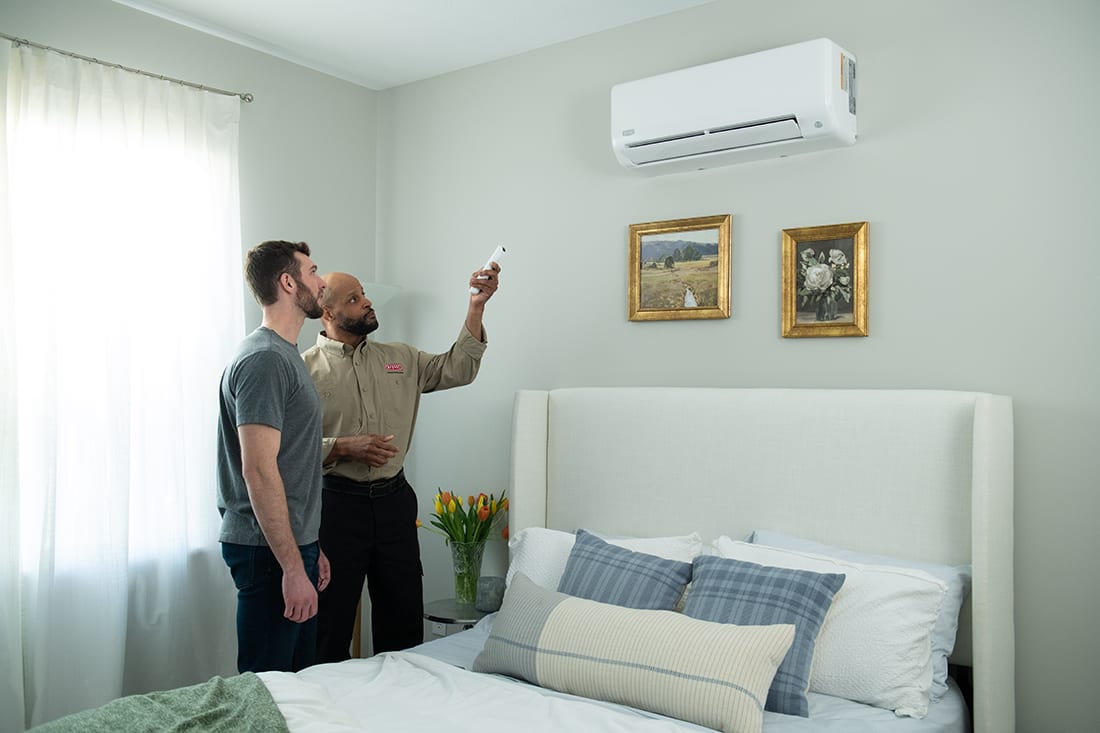
- High-Wall Units: The most popular choice. These units are installed high on a wall, preserving valuable floor space while efficiently distributing air. “The high wall is mounted high enough that it doesn’t take up any floor space,” Redmond said. “We can place it above a TV, couch, dresser, or a bed, giving homeowners much more flexibility. Overall, high-wall units offer more versatile installation options than floor consoles.” Learn more about wall air conditioners.
- Ceiling-Mounted Units: Installed flush with the ceiling, these units distribute air evenly in all directions and offer a discreet look. Ideal for rooms with limited wall space, or where aesthetics demand a less obtrusive unit — particularly effective in larger rooms and open spaces.
- Ceiling-Mounted Cassettes: These units are recessed into the ceiling with only a slim grille visible, offering an unobtrusive look and four-way air distribution perfect for large, open spaces. Learn about ceiling cassette mini splits.
- Floor-Mounted Units: Installed at the base of a wall, these units suit rooms with limited upper wall space — such as those with slanted ceilings or large windows.
- Slim Ducted Units: For homeowners who want the efficiency benefits of a mini split with the discreet appearance of central air, slim ducted units can be hidden in a ceiling or closet and use short duct runs to serve one or more rooms. Learn more about ducted mini splits.
Mini Split Installation, Maintenance, and Troubleshooting
Why is Professional Mini Split Installation Important?
Professional installation is essential for peak performance, safety, and warranty coverage. While mini splits are easier to install than traditional central air systems, a licensed HVAC contractor will ensure your ductless system is correctly sized and installed for optimal efficiency, reliable operation, and long-term durability. Learn more about mini split installation.
How Do I Maintain My Mini Split?
Regular mini split maintenance is essential for optimal performance. Here are actionable steps to keep your system in top shape:
- Clean Air Filters: Clean or replace the mini split air filters in your indoor units every one to three months to maintain strong airflow and high efficiency.
- Clear the Outdoor Unit: Keep the area around your outdoor unit free of leaves, debris, and obstructions to ensure it can operate effectively.
- Schedule Annual Service: Have a professional technician inspect your system annually to check refrigerant levels and clean internal components.
Mini Split Troubleshooting
Despite proper installation and proactive maintenance, performance issues can occasionally arise. Here are common problems and their likely solutions:
- Weak Airflow: Usually caused by a dirty air filter. Clean the filter and restart the unit.
- Water Leaks: Often indicates a clogged condensate drain line, which requires professional clearing.
- Ice Buildup: If the unit is frozen, turn it off immediately. This signals an airflow problem or a refrigerant leak.
Mini Split vs. Window AC
A mini split heat pump generally outperforms a window AC unit in energy efficiency, comfort, and overall performance. Mini splits use advanced inverter technology to adjust output based on demand, while window units typically operate with more basic on/off cycling. They also run quieter because the compressor is located outdoors, provide more even temperature control, and offer both heating and cooling. While window AC units are typically easier and less expensive to install, mini splits require professional installation but provide a more permanent, efficient solution for year-round comfort.
Find the Right Mini Split with a Bryant Dealer
Connect with your local Bryant dealer to find the best mini split system for your home and to get a quote for mini split cost. With their expertise and range of high-quality, energy-efficient mini-split options, Bryant dealers can help you select and install the ideal solution for year-round comfort.
Compare Bryant Ductless Mini Splits
Choose a Bryant ductless mini split for efficient, customizable comfort without the need for ductwork. Ideal for specific rooms or multi-zone cooling and heating, these systems offer precise temperature control and quiet operation. With energy-efficient technology, they help reduce utility costs while providing year-round comfort. The sleek design makes Bryant mini splits a perfect choice for homes, additions, or spaces where traditional ductwork is impractical, delivering reliable performance and convenience.
Mini Split FAQs
A mini split provides heating and cooling for individual rooms or zones without the need for ductwork, offering flexible temperature control.
Mini splits are generally energy-efficient, using less electricity than traditional central HVAC systems when properly sized and maintained.
Mini splits can be better for targeted cooling, energy savings, and homes without ducts, though central AC may be more practical for whole-house cooling.
Yes. Many Bryant ductless systems are engineered to maintain reliable cooling even in outdoor temperatures around 100°F or higher, depending on the model.
While DIY kits exist, professional installation is strongly recommended for mini splits. Licensed HVAC technicians ensure the system is properly sized, refrigerant lines are safely charged, and the manufacturer's warranty remains fully intact. Learn more about mini split installation.
When properly installed and maintained with annual professional tune-ups, a high-quality ductless mini split system can reliably heat and cool your home for 15 to 20 years.
Learn More About Ductless Mini Splits
- Understand what size mini split do I need?
- Find out are mini splits worth it?
- Learn all about mini split vs central air
- Explore mini split repair
- Discover small mini splits
- Understand do mini splits turn off when temperature is reached?


