About The Author: Travis Baugh is a Digital Brand Marketing Manager for Bryant, where he creates clear, helpful content to guide homeowners through heating, cooling, and indoor air quality decisions. His goal is to empower readers with the knowledge they need to choose the right comfort solutions for their home—confidently and comfortably.
What is a Furnace Limit Switch?
By Travis Baugh | Expert Review By Seth Faber - Product Manager, Furnaces
A furnace limit switch is a vital safety component that monitors furnace temperature and helps protect the system from overheating. When temperatures rise above the switch's specified limit, it opens an electrical circuit to shut down the burners. The furnace's control board, rather than the limit switch alone, typically manages blower operation during a heating cycle.
Understanding how a furnace limit switch operates is essential for maintaining a comfortable home. The limit switch provides an important layer of thermal protection, helping prevent excessive temperatures that could damage furnace components.
How Does a Furnace Limit Switch Work?
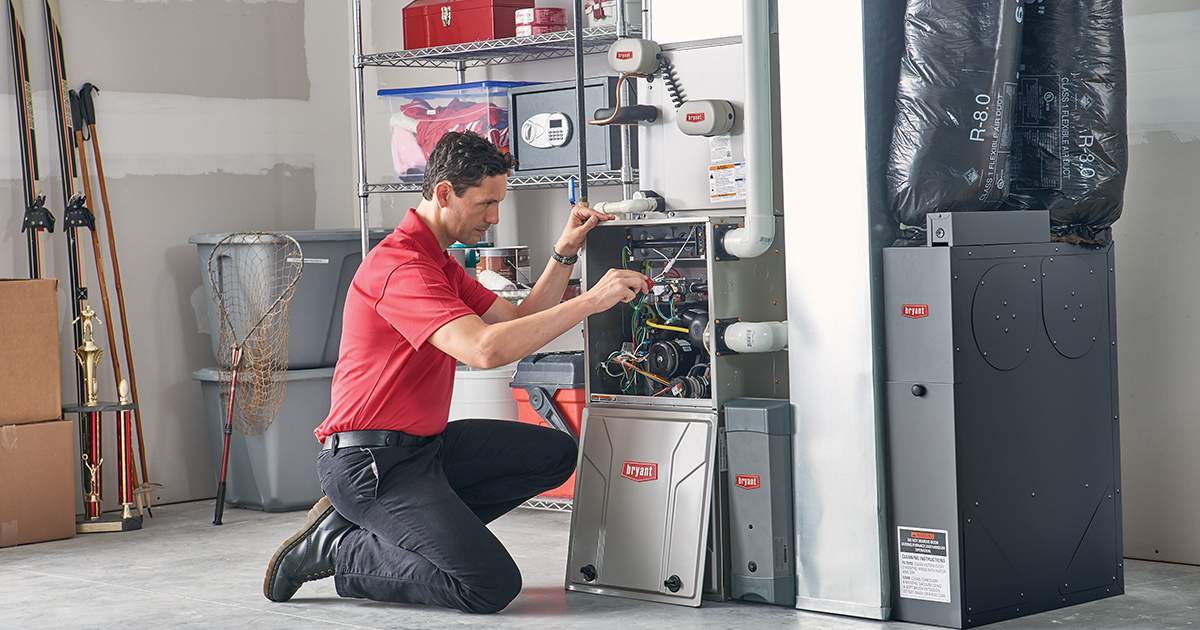
In a Bryant furnace, the limit switch uses a temperature-sensitive sensing element to monitor conditions inside the furnace. When the furnace ignites and the heat exchanger begins producing heat, the switch remains closed during normal operation. If the sensed temperature rises above the switch's rated limit, the switch opens the circuit to the furnace controls, shutting down the burners as a safety measure.
The exact temperature rating is model-specific rather than universal across Bryant furnaces. Bryant/ICP parts documentation for the F8MX/G8MX furnace family, for example, lists limit switches with ratings including 160°F, 180°F, 190°F, 200°F and 350°F, depending on the furnace and application. This is why a replacement limit switch must match the original furnace's specified temperature rating rather than being selected based on a generic temperature.
When the thermostat calls for heat, the burners ignite and the heat exchanger begins to warm. The furnace control system operates the blower according to the equipment's programmed sequence, while the limit switch remains available to interrupt burner operation if temperatures become excessive.
Conversely, if an airflow restriction—such as a dirty air filter or a blocked vent—causes the furnace temperature to rise excessively, the limit switch can open the burner circuit to help protect the furnace from overheating. Restricted airflow is one of the conditions Bryant identifies as a potential cause of a limit-switch-related furnace shutdown.
A limit switch is a safety device, not a substitute for correcting the cause of overheating. If a Bryant furnace repeatedly trips its limit switch, a qualified HVAC professional should diagnose the underlying issue rather than bypassing the switch.
Why is the Furnace Limit Switch Important for Home Health?
A functioning furnace limit switch is critical to safe furnace operation because it helps prevent excessive temperatures that can damage furnace components.
When a furnace overheats, repeated excessive temperatures can place additional stress on the heat exchanger and other furnace components. A damaged heat exchanger can create a serious combustion-safety concern, which is why repeated overheating should be professionally diagnosed.
By monitoring furnace temperature and interrupting burner operation when its specified limit is exceeded, the limit switch helps protect the furnace from abnormal overheating. The switch is not designed primarily to improve indoor air quality or energy efficiency; its primary function is safety and equipment protection.
What Are the Signs of a Faulty Furnace Limit Switch?
A furnace with a faulty or repeatedly activated limit switch may show erratic blower behavior, failure to complete a heating cycle, or repeated short cycling. Recognizing these symptoms early allows homeowners to restore energy efficiency and maintain a healthy, safe home environment.
Constant Blower Operation
If the furnace blower runs continuously without shutting off, a limit-switch issue is one possible cause, but it is not the only one. The blower may continue operating after a limit switch opens so the furnace can cool down. If the blower continues running after the furnace has cooled, the cause may instead involve the control board, thermostat, blower controls or another component.
Furnace Short Cycling
Furnace short cycling occurs when the heating system turns on and off rapidly before reaching the desired thermostat temperature. A furnace may short cycle when its limit switch repeatedly opens because the furnace is overheating. Restricted airflow, a dirty filter, blocked vents, blower problems and other issues can contribute to overheating and should be investigated before replacing the switch.
Furnace Will Not Ignite
When a furnace refuses to ignite entirely, an open limit switch can prevent the furnace from completing its ignition sequence. If the switch has opened because of excessive temperature, the furnace controls may prevent another heating cycle until the system has cooled or the condition has been addressed.
A furnace that will not ignite can have many causes, however, including ignition, flame-sensing, control-board, gas-supply and airflow problems.
Bryant Furnace Limit Switch Diagnostic Checklist
Use this Bryant furnace limit switch diagnostic checklist as a starting point for identifying symptoms. It is not a substitute for professional diagnosis or model-specific service information.
| Check | What to Look For | What It May Indicate |
| Air filter | Dirty or heavily restricted filter | Reduced airflow and possible overheating |
| Supply and return vents | Blocked or closed registers/grilles | Restricted airflow |
| Blower operation | Blower not operating or operating abnormally | Possible airflow or motor problem |
| Limit switch continuity | Closed/near-zero resistance when cool on a normally closed switch | Normal electrical condition |
| Limit switch continuity | OL/infinite resistance when cool on a normally closed switch | Possible failed or open switch |
| Temperature rating | Rating matches the furnace's specified part | Required for proper replacement |
| Repeated trips | Switch opens repeatedly during heating | Possible airflow, blower, heat-exchanger or control issue |
Bryant emphasizes that replacement limit switches should match the original switch's specified opening temperature and closing differential.
How to Test a Furnace Limit Switch
Bryant always recommends that comprehensive testing and part replacements be conducted by licensed HVAC professionals to maintain system safety and warranty compliance. Your local HVAC professional will test your furnace limit switch using a digital multimeter to check for electrical continuity across the switch terminals while the furnace is at room temperature. A healthy limit switch should show a closed circuit (continuity) when cool and open the circuit (no continuity) only when exposed to excessive heat.
For a normally closed limit switch, a healthy switch should generally show continuity when cool. A digital multimeter will typically show near-zero resistance rather than a specific fixed resistance value. If the meter displays "OL" or infinite resistance while the switch is cool, the switch may be open and require further diagnosis.
To perform a safe and accurate test, the HVAC contractor will follow these essential steps:
- Turn off the power: Always disconnect the main electrical power to the furnace at the breaker panel to ensure safety.
- Locate the switch: Remove the front access panel. The exact location varies by Bryant furnace model, so the technician should use the applicable service documentation.
- Remove the wires: Gently pull the electrical spade connectors off the switch terminals. Take a photo beforehand to ensure correct rewiring.
- Test for continuity: Set a digital multimeter to the ohms (Ω) or continuity setting. Place one probe on each terminal of the switch. A normally closed switch should show continuity or near-zero resistance when cool.
- Interpret the results: If the multimeter reads "OL" (Open Line) or infinity at room temperature, the switch is open. The technician should determine whether the switch has failed or is designed to be open under the specific test conditions before replacing it.
Never bypass a furnace limit switch. A properly functioning limit switch is a critical safety device, and Bryant warns against bypassing limit switches.
When to Replace a Bryant Furnace Limit Switch
A Bryant furnace limit switch should be replaced immediately if it fails a continuity test, shows physical signs of heat damage, or repeatedly trips despite proper system airflow. Replacing a compromised switch is an investment in the long-term sustainability and safety of your heating infrastructure.
Before condemning the switch, it is vital to eliminate other potential causes of overheating. Common causes include a clogged air filter, blocked return or supply vents, a dirty evaporator coil, an improperly operating blower motor or other airflow problems. Bryant identifies restricted airflow and blower problems as potential causes of limit-switch trips.
Do not replace a limit switch simply because it has opened during an overheating event. The switch may be operating as designed and signaling that another furnace problem needs attention.
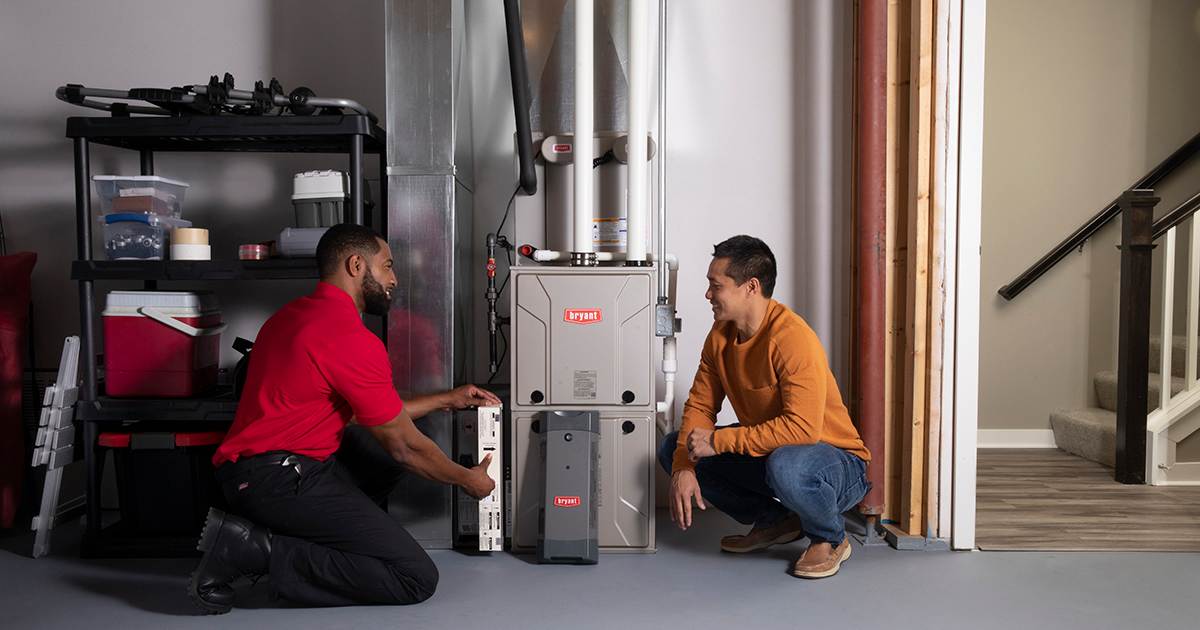
Always work with your local Bryant dealer for your furnace repair needs to ensure your system is serviced by trained professionals using approved diagnostic and repair procedures.
Furnace Limit Switch FAQs
The cost to replace a furnace limit switch typically ranges from $150 to $4001, including parts and professional labor. The part itself is relatively inexpensive, but hiring a licensed HVAC technician ensures safe installation and proper diagnosis of the root cause.
1https://homeguide.com/costs/furnace-limit-switch-replacement-cost
No, you must never bypass a furnace limit switch. Bypassing this critical safety component removes the only mechanism preventing the heat exchanger from overheating, which can lead to catastrophic fire hazards, cracked metal, and lethal carbon monoxide leaks.
A furnace limit switch does not have a set replacement schedule and can last the lifetime of the furnace (15 to 20 years). However, poor furnace maintenance, such as consistently running the system with dirty air filters, causes repeated overheating that will wear out the switch prematurely.
Common signs of a bad furnace limit switch include the blower fan running constantly, the furnace shutting down unexpectedly, short cycling, or the burners failing to stay on. In some cases, your furnace may stop producing heat altogether to prevent overheating.
Some furnace limit switches reset automatically once the system cools down, while others have a manual reset button. To reset a manual limit switch, turn off power to the furnace, locate the switch, and press the reset button if equipped. If the switch continues tripping, the furnace should be inspected by an HVAC professional.
A furnace may not run properly if the limit switch is bad. The system could shut down completely, prevent the burners from igniting, or keep the blower fan running continuously as a safety precaution. A faulty limit switch should be diagnosed and replaced promptly to avoid further furnace issues.
About The Author: Seth Faber serves as Product Manager for Residential Furnaces at Bryant, where he contributes to the development of heating solutions designed for dependable operation and lasting home comfort. His work takes into account homeowner needs, advances in energy efficiency, and evolving industry standards to help support reliable residential heating.


