About The Author: Travis Baugh is a Digital Brand Marketing Manager for Bryant, where he creates clear, helpful content to guide homeowners through heating, cooling, and indoor air quality decisions. His goal is to empower readers with the knowledge they need to choose the right comfort solutions for their home—confidently and comfortably.
Emergency HVAC Repair Guide
Emergency HVAC repair addresses critical failures that cannot wait for a standard appointment. These urgent interventions are centered on addressing your needs, ensuring that your home environment returns to its optimal state quickly. By addressing immediate breakdowns, your local Bryant dealer protects your investment and maintain the seamless comfort you rely on daily.
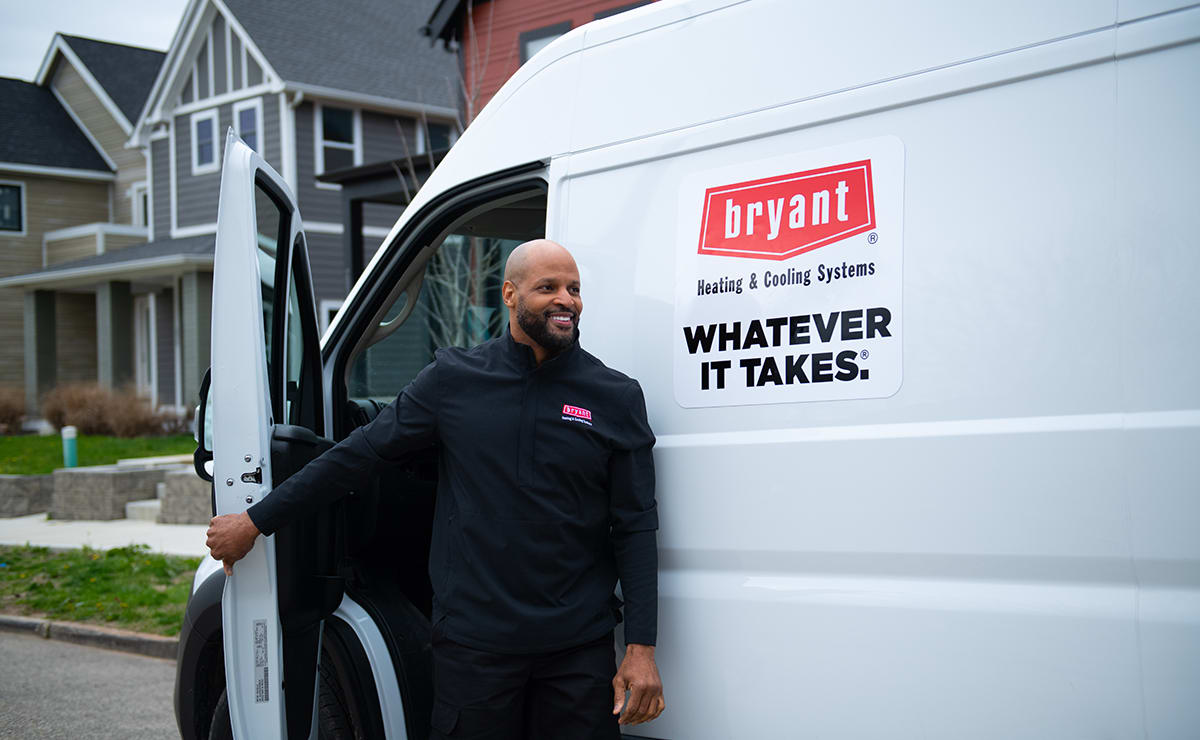
What Is Emergency HVAC Repair?
Emergency HVAC repair is an urgent service designed to restore critical heating, ventilation, and air conditioning functions when your system suddenly fails. It prevents extreme indoor temperatures, protects your home from potential property damage, and ensures your family remains safe and comfortable.
Dealing with an HVAC emergency is stressful, but understanding the process empowers you to make decisions that prioritize long-term comfort over short-term fixes.
When Should You Call For Emergency HVAC Repair?
You should call your local Bryant dealer for emergency HVAC repair if your system stops producing heat during freezing temperatures, fails to cool during a heatwave, leaks refrigerant, or emits burning electrical smells. These severe issues compromise safety, degrade air quality, and require immediate expert attention.
Not every system hiccup qualifies as an emergency, but recognizing the signs of a critical failure can save you time, money, and discomfort. Homeowners seeking long-term comfort and efficiency must act swiftly when specific warning signs arise. Delaying service can lead to compounded damage and skyrocketing energy bills.
Here are the primary indicators that you need immediate assistance:
- Total system failure: The unit will not turn on during extreme weather, threatening your family's safety.
- Electrical odors: A burning smell often indicates electrical faults or an overheating motor.
- Unusual noises: Loud screeching or grinding sounds—far from the whisper-quiet operation you expect—signal failing mechanical components.
- Leaking fluids: Puddles around your indoor unit can indicate a clogged drain line or a dangerous refrigerant leak.
- Sudden airflow loss: If the system is running but no air is coming through the vents, the compressor or blower motor may be compromised.
Joseph Braswell, owner of Guin Service Company in Birmingham, AL, urges homeowners not to overthink calling their local HVAC contractor if they are in need of HVAC repair and are unsure if it’s truly an emergency or not.
“We tell our customers that if it’s an emergency to you, it’s an emergency to us,” Braswell said. “You have a warranty for a reason, and your installing HVAC dealer should be there to help you out.”
What Should You Do Before The Emergency HVAC Repair Technician Arrives?
Before the emergency HVAC repair technician arrives, you should:
- Turn off the system at the thermostat
- Clear the area around the indoor and outdoor units
- Note any specific sounds or smells
Taking these steps prevents further mechanical damage and helps the technician diagnose the issue rapidly.
Safety and preparation are paramount when dealing with a failing climate control system. Continuing to run a malfunctioning unit can severely damage the compressor, turning a simple repair into a costly total HVAC replacement. Shutting down the system entirely is the smartest first step.
Next, ensure that the technician has unobstructed access to your equipment. Move any furniture, boxes, or debris away from the indoor air handler. Outside, trim back any overgrown vegetation or remove snow surrounding the condenser. Finally, write down a brief history of the problem. Did the smart thermostat display an error code? Was there a spike in your energy bills just before the failure? This data helps specialists pinpoint the root cause with precision.
How Does Emergency HVAC Repair Improve Long-Term Comfort?
Emergency HVAC repair improves long-term home comfort by replacing failing components with advanced technology, restoring eco-friendly efficiency, and preventing cascading system damage. This proactive approach ensures your equipment operates reliably, quietly, and effectively for years to come.
While the initial focus of an emergency repair is to restore basic function, it also presents an opportunity to upgrade your home’s environment. Outdated systems often struggle to maintain consistent temperatures and consume excessive electricity. By replacing broken AC parts with innovative, reliable, sustainable solutions, you can dramatically improve your system's performance.
Furthermore, a repaired and optimized system contributes to a peaceful home environment. Worn-out belts and failing motors generate disruptive noise. Expert AC repair restores the quiet performance that homeowners demand. Investing in quality repairs today means you can breathe cleaner air and enjoy seamless smart home integration tomorrow.
Tips For Preventing HVAC Emergencies
Preventing HVAC emergencies starts with biannual HVAC maintenance and a proactive approach to system care. One of the most effective ways to avoid unexpected breakdowns is to schedule professional HVAC tune-ups at least twice a year—once before the cooling season and once before heating season. During these visits, a technician can inspect critical components, clean internal parts, and catch small issues before they turn into costly repairs.
Regularly changing your air filter is another simple but essential step. A clogged filter restricts airflow, forcing your system to work harder and increasing the risk of overheating or system failure. Most homes benefit from a filter change every one to three months, depending on usage, pets, and indoor air quality conditions. Learn more on how often to change your air filter.
Keeping the outdoor unit clean and unobstructed also plays a key role in preventing emergencies. Leaves, dirt, and debris can accumulate around the condenser, reducing efficiency and putting extra strain on the system. Make sure there’s at least two feet of clear space around the unit and gently rinse it with a hose when needed.
Pay attention to warning signs your system may be struggling. Unusual noises, weak airflow, inconsistent temperatures, or sudden increases in energy bills can all indicate underlying problems. Addressing these early can help prevent a complete system failure during extreme weather when you need your HVAC system most.
It’s also important to check your thermostat settings and ensure it’s functioning properly. A malfunctioning thermostat can cause your system to cycle incorrectly or run excessively, leading to unnecessary wear and tear. Upgrading to a programmable or smart thermostat can help maintain consistent temperatures and reduce strain on your equipment.
Finally, don’t overlook your ductwork. Leaks, poor insulation, or blockages in your ducts can reduce efficiency and force your HVAC system to work harder than necessary. Having your ductwork inspected periodically can improve airflow, enhance comfort, and reduce the likelihood of unexpected issues.
By staying on top of HVAC maintenance and addressing small concerns early, you can significantly reduce the chances of an HVAC emergency and keep your system running smoothly year-round.
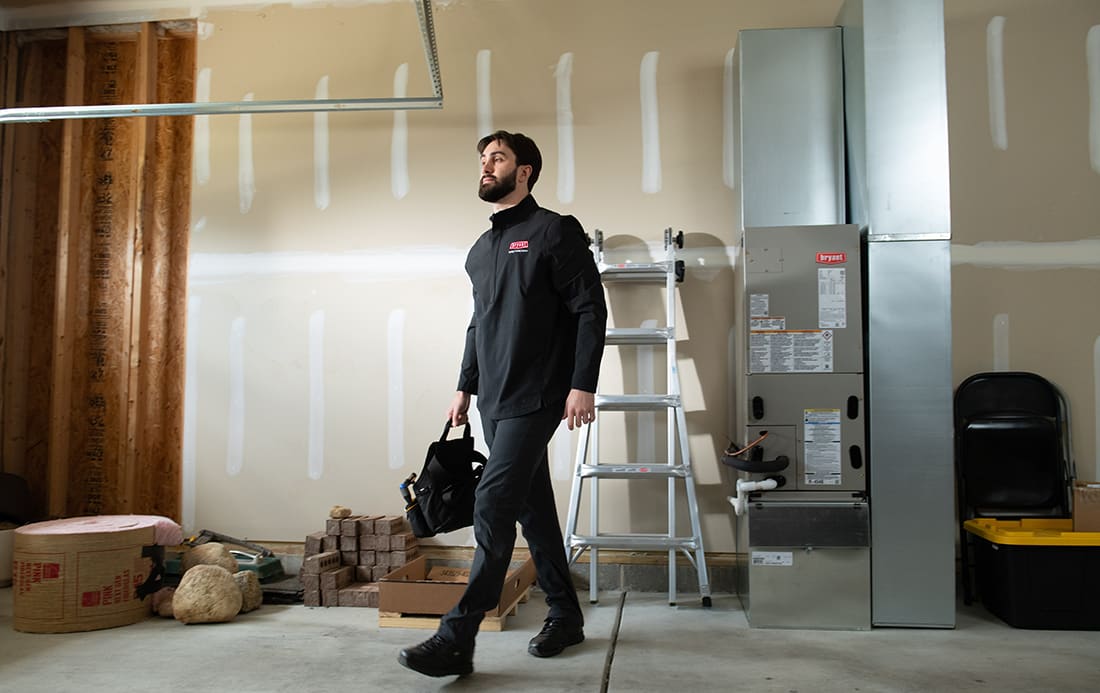
Why Choose a Bryant Dealer for HVAC Emergency Repair?
When an HVAC emergency happens, working with a Bryant dealer ensures you receive fast, reliable service backed by industry expertise. Bryant dealers are trained to diagnose and repair issues quickly, helping restore comfort to your home when you need it most. Their familiarity with a wide range of heating and cooling systems allows them to provide accurate solutions, whether it’s a sudden breakdown, airflow issue, or system malfunction.
Choosing a Bryant Factory Authorized Dealer offers an added level of confidence. These dealers have met strict standards for technical expertise, customer service, and ongoing training. They stay up to date with the latest HVAC technologies and best practices, ensuring your system is serviced according to manufacturer guidelines. This designation reflects a commitment to quality workmanship and dependable service.
Bryant dealers also have access to genuine Bryant parts and specialized tools, which can help speed up repairs and maintain system performance. In emergency situations, this can make a significant difference in both turnaround time and long-term reliability. From initial diagnosis to final testing, a Bryant dealer focuses on delivering efficient, professional service to get your system back up and running as quickly as possible.
Contact your local Bryant dealer for emergency HVAC service today.
Emergency HVAC Repair FAQs
An HVAC emergency is any situation where your heating or cooling system stops working or creates unsafe conditions that require immediate attention—especially during extreme weather. This includes complete system failure, electrical issues, or anything that could pose a risk to your home or health.
Yes, emergency HVAC repair can help lower your energy bills. Malfunctioning systems consume excess power to maintain temperatures, and repairing broken components restores optimal energy efficiency.
Common emergencies include total loss of heating in freezing temperatures, loss of cooling during extreme heat, burning smells, smoke, strange electrical noises, refrigerant leaks, or a system that won’t turn on at all.
Not always. It becomes an emergency when outdoor temperatures are extreme or when vulnerable individuals—such as infants, elderly residents, or those with health conditions—are at risk.
A strong, reliable warranty covers the cost of major replacement parts during unexpected breakdowns. This provides long-term peace of mind and guarantees that your system is repaired using high-quality, durable components.


