About The Author: Travis Baugh is a Digital Brand Marketing Manager for Bryant, where he creates clear, helpful content to guide homeowners through heating, cooling, and indoor air quality decisions. His goal is to empower readers with the knowledge they need to choose the right comfort solutions for their home—confidently and comfortably.
How Long Do Mini Splits Last?
By Travis Baugh | Expert Review by Connor Howard - Product Manager, Ductless Mini Splits
A well-maintained ductless mini split system typically lasts between 12 and 15 years, with some premium models lasting up to 20 years. Their longevity depends heavily on the quality of the initial installation, how often they are used, and how consistently they are maintained over time.

For homeowners seeking long-term comfort and efficiency, investing in a high-quality HVAC system is a vision for a better, more sustainable home environment. Ductless mini splits have revolutionized the way we heat and cool our spaces, offering targeted comfort without the energy loss associated with traditional ductwork. But when you invest in comfort, you want to know it will last. Bryant ductless systems combine inverter technology, durable outdoor-unit construction, and model-specific efficiency and sound ratings with maintenance guidance designed to support long-term operation.
In this comprehensive guide, we will explore the lifecycle of ductless mini splits, the factors that influence their durability, and the Bryant specifications and maintenance practices that can help support long-term performance.
What is the Average Lifespan of a Mini Split System?
The average lifespan of a ductless mini split system ranges from 12 to 15 years, though high-quality systems can operate efficiently for up to 20 years with proper mini split maintenance. Because they do not rely on ductwork, they experience less wear and tear from air leaks and strain compared to traditional central HVAC units.
When evaluating the longevity of a mini split, it is essential to look at the engineering behind the system. Ductless systems consist of an outdoor compressor and one or more indoor air-handling units. These components work seamlessly together to provide precise temperature control. However, because they are often used year-round for both heating and cooling, they can accumulate wear faster than a dedicated air conditioner or furnace if not properly cared for.
Choosing a system built with durable, advanced components ensures that your investment stands the test of time. Bryant’s commitment to reliable performance means their mini splits are rigorously tested to withstand extreme weather and continuous operation, offering peace of mind alongside superior climate control.
Why Choose Bryant for Long-Term Comfort?
Bryant ductless mini splits are designed for long-term operation, with Bryant publishing a 15–20-year service-life range when systems are properly installed and maintained. Bryant ductless models also offer model-specific inverter technology, efficiency ratings, sound levels, outdoor operating ranges, corrosion protection, and limited warranty coverage.
At Bryant, our innovative solutions are centered on our customers' needs. We understand that purchasing a new HVAC system is a major decision triggered by factors like a new home purchase, major renovations, or a desire to reduce rising energy bills. That is why Bryant mini splits are designed to provide more than temperature control; they combine zoned comfort, inverter-driven operation, and system controls designed for efficient operation.
Advanced Technology and Efficiency
Bryant ductless systems leverage inverter compressor technology, which allows the compressor to adjust its speed to match heating or cooling demand rather than relying solely on repeated full-capacity starts and stops. Bryant's 37MPRA, for example, uses an inverter compressor and offers up to 35.1 SEER2, 17.5 EER2, and 30 HSPF2, depending on the specific system configuration.
These published efficiency ratings provide a measurable way to evaluate Bryant ductless performance rather than relying on a general claim about efficiency. Actual system efficiency depends on the specific indoor and outdoor unit combination.
Quiet Operation
Nobody wants a noisy HVAC system disrupting their home. Bryant's 615PHA indoor unit has published sound levels as low as 16 dB(A) during low-fan-speed operation, depending on the model and size.
That makes sound level a measurable specification homeowners can compare when selecting a ductless system for a bedroom, home office, or living area.
Smart Home Integration
Modern homeowners expect smart control, and Bryant offers compatible controls and connected features on select ductless systems. By optimizing when and how your system runs, these controls can help homeowners manage temperature settings and system operation.
Smart thermostats should be viewed as a comfort and operating-management feature rather than a guaranteed way to extend equipment life. Proper installation and routine maintenance remain important factors in long-term system performance.
What Factors Impact the Lifespan of Your Ductless Mini Split?
The lifespan of a ductless mini split is primarily impacted by installation quality, usage frequency, routine maintenance, and environmental conditions. Systems installed correctly by certified HVAC professionals and maintained annually will significantly outlast those that are neglected or improperly sized.
Understanding these factors empowers you to make proactive decisions about your home comfort. Here is a closer look at what dictates the longevity of your system:
1. Quality of Installation
A ductless system is only as good as its installation. If a unit is improperly sized—either too large or too small for the space—it will short-cycle or run constantly to keep up with demand. This places immense stress on the compressor. The U.S. Department of Energy specifically identifies oversizing and improper refrigerant charging as installation problems that can contribute to efficiency losses, occupant discomfort, and shortened equipment life.1
Always rely on your local Bryant dealer to perform a precise load calculation and ensure the system is perfectly tailored to your space. Learn more about mini split installation.
2. Usage Patterns
Mini splits are incredibly versatile, offering both heating and cooling. However, a system that runs frequently throughout the year will experience more operating hours than a unit used only seasonally. Operating hours, climate, temperature settings, and the heating and cooling demands of the space can all affect equipment wear over time.
3. Environmental Conditions
The outdoor compressor is exposed to the elements year-round. Systems located in coastal areas with high salt air, or regions with extreme temperature fluctuations, may face accelerated corrosion or wear. Some Bryant ductless outdoor units use anti-corrosive fin coatings and heavy-gauge galvanized steel construction to help protect the equipment from environmental exposure.
Keeping the area around the outdoor unit clear of debris is still crucial.
4. Routine Maintenance
Neglecting basic maintenance is the fastest way to shorten the life of any HVAC system. Dirty mini split air filters restrict airflow, making the system work harder to maintain the desired temperature.
Bryant recommends regular filter cleaning and professional maintenance to help maintain ductless system performance and reliability. ENERGY STAR also recommends checking, cleaning, or changing HVAC filters regularly and notes that dirty filters can increase energy costs and contribute to equipment damage and early failure.
How Can You Extend the Life of Your Bryant Mini Split?
David Fowler, owner of Family Heating and Air in Pensacola, Florida, says the lifespan of a mini split system largely depends on proper installation, routine maintenance, and keeping the equipment clean over time. Consistent care ensures optimal efficiency, improves indoor air quality, and prevents costly breakdowns.
“Most mini splits should last more than 10 years if they’re installed and maintained properly,” Fowler said. “The key is keeping the system clean, regularly cleaning the filters, and scheduling routine maintenance to help ensure the system continues operating at peak performance.”
Taking care of your Bryant system is an investment in comfort. By following a few simple steps, you can ensure your system remains reliable and efficient for a decade or more.
- Clean or Replace Filters Regularly: The indoor unit relies on clean filters to maintain proper airflow. Check and clean your filters according to the manufacturer's recommendations and more frequently during periods of heavy use or if they become visibly dirty. Bryant recommends regular filter cleaning as part of ductless system maintenance.
- Keep the Outdoor Unit Clear: The outdoor unit needs unobstructed airflow. Keep leaves, snow, dirt, and overgrown vegetation away from the equipment and follow the clearance requirements specified for your model and installation.
- Schedule Annual Professional Tune-Ups: Have a certified HVAC technician inspect your system annually. They will check refrigerant levels, inspect electrical connections, clean the condenser coils, and ensure the system is operating at peak performance. For systems used for both heating and cooling, bi-annual inspections (spring and fall) are recommended.
- Utilize Smart Thermostats: Use smart thermostats and compatible controls to manage temperature settings and operating schedules. Avoid extreme temperature settings that require the system to operate at maximum capacity for extended periods.
When Should You Replace Your Ductless Mini Split?
Consider replacing your ductless mini split when it is approaching or beyond its expected service life, requires frequent or costly mini split repairs, fails to heat or cool your home adequately, or experiences persistent performance problems despite proper maintenance. Replacing an aging system with a modern energy efficient mini split can provide updated efficiency, controls, and refrigerant technology.
Age alone does not necessarily mean a mini split needs to be replaced. A properly maintained Bryant ductless system can last 15 to 20 years, so the condition of the equipment, repair history, operating performance, and cost of continued repairs should all be considered when evaluating replacement.
If your energy bills are creeping up despite regular maintenance, your system may be experiencing reduced efficiency. Furthermore, when a major repair is needed on an aging system, compare the repair cost and expected remaining service life with the cost and expected performance of a replacement.
Modern Bryant systems offer inverter-driven operation, Puron Advance™ refrigerant on compatible models, updated efficiency ratings, and advanced controls. For example, the Bryant 37MPRA Evolution™ Heat Pump offers up to 35.1 SEER2 and 30 HSPF2, while the 615PHA Evolution™ High Wall Indoor Unit features sound levels as low as 16 dB(A).
Bryant also provides a 10-year limited parts warranty on applicable ductless models when the equipment is properly registered within the required period. Warranty coverage varies by model and application, so homeowners should review the warranty documentation for their specific system.
Get a quote for mini split cost from your local Bryant dealer today.
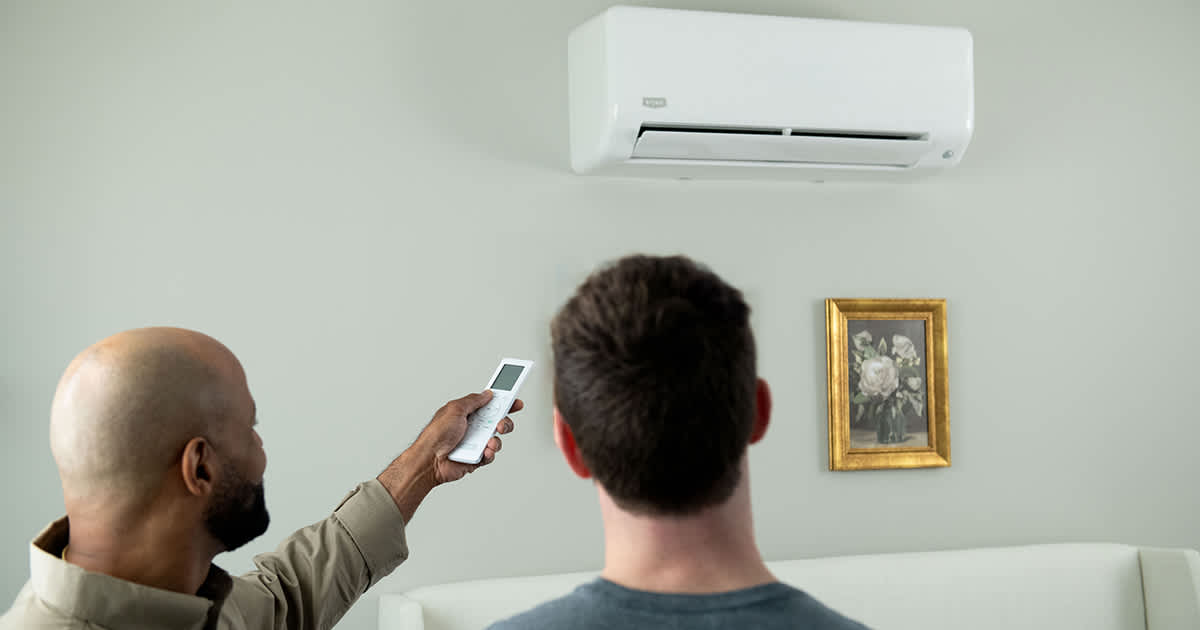
How Long Do Mini Splits Last FAQs
No, ductless mini splits do not require more maintenance, but they do require different maintenance. While there is no ductwork to clean, the indoor unit filters must be washed or replaced more frequently—usually once a month—to maintain optimal airflow and efficiency.
Yes, Bryant offers strong and reliable warranties on their ductless systems. When installed by a certified dealer and registered within the required timeframe, most Bryant mini splits come with a comprehensive 10-year parts limited warranty, providing long-term peace of mind.
Absolutely. Bryant ductless systems feature multi-stage filtration that helps trap dust, pollen, and other airborne particulates. Because there is no ductwork to harbor mold, dust mites, or pests, mini splits inherently provide cleaner, healthier air for your home.
About The Expert Reviewer: Connor Howard serves as Product Manager for Residential Ductless Mini Splits at Bryant. He helps shape ductless heating and cooling solutions for a variety of home layouts and comfort needs. His work considers evolving homeowner expectations, energy efficiency objectives, and industry requirements to support practical, forward-looking residential comfort solutions.


