- Discover what is HVAC
- Explore HVAC installation
- Read our guide on HVAC replacement
- Learn the importance of HVAC maintenance
- Get help with HVAC repair
- Check out our HVAC pricing guide
HVAC Tune Up Guide: Maximize Efficiency & System Lifespan
By Travis Baugh
An HVAC tune-up is a preventative maintenance service where a professional technician inspects, cleans, and adjusts your heating and cooling system. This service is designed to improve energy efficiency, extend equipment lifespan, and prevent unexpected breakdowns.
Skipping routine maintenance is one of the most common—and costly—mistakes homeowners make. A single annual tune-up can be the difference between a system that runs efficiently for decades and one that fails prematurely. Here's everything you need to know about HVAC tune-ups: what they include, what they cost, and why they matter.
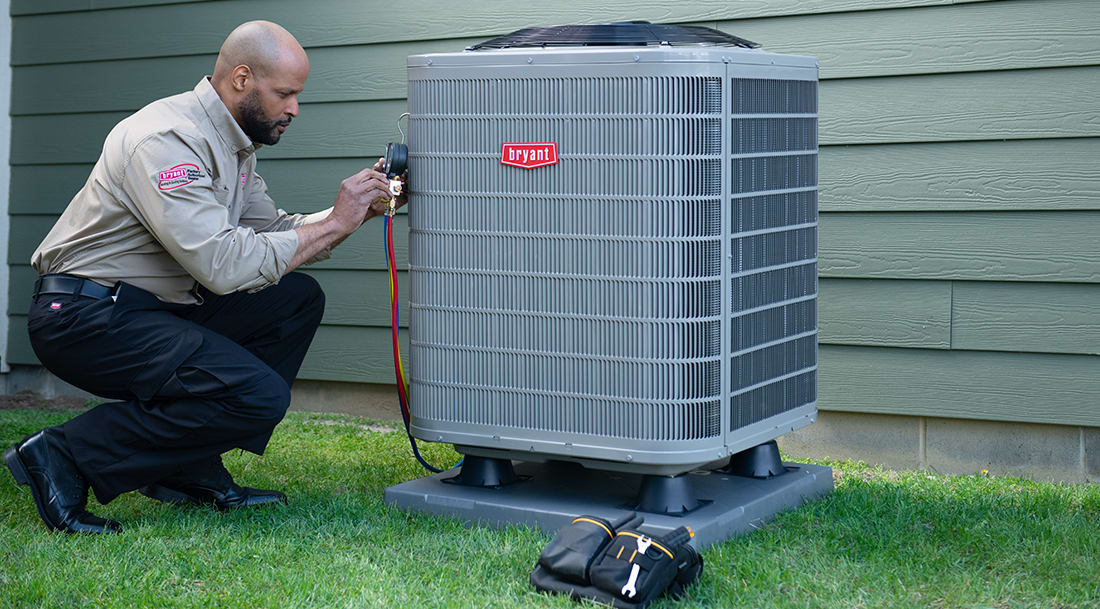
Why is an HVAC Tune Up Essential?
An HVAC tune-up is essential because it keeps your system running efficiently, prevents expensive breakdowns, and protects your manufacturer's warranty. Much like a vehicle requires regular service to run smoothly, your home comfort system demands precision care to deliver optimal performance.
“With a car, you have to get oil changes to help the engine run," Samantha Houchin, owner of The Weather Changers in Denver, Colorado, said. "It's the same thing with heating and cooling. Routine maintenance makes sure that the system runs the way that it's supposed to.”
- Maximize Energy Efficiency: A well-maintained system uses less energy to heat or cool your home, which can help directly translate to lower energy bills and a reduced carbon footprint.
- Extend Equipment Lifespan: Addressing minor wear and tear proactively prevents major component failures, adding years of reliable life to your investment.
- Enhance Indoor Air Quality: Cleaning filters and coils reduces the circulation of dust, allergens, and pollutants, creating a healthier living space for you and your family.
- Reliability and Peace of Mind: Routine HVAC maintenance identifies potential issues before they become emergencies, ensuring your system is ready to perform when you need it most.
What Does a Professional HVAC Tune Up Include?
A professional HVAC tune-up includes thermostat calibration, electrical inspections, lubrication of moving parts, coil and drain cleaning, refrigerant checks, and a full system safety test. It goes far beyond a simple visual inspection—it's a rigorous checklist designed to restore your system to factory specifications.
While specific tasks vary by system type (furnace, heat pump, or air conditioner), a standard tune up typically includes:
- Thermostat Calibration: Verifying the thermostat reads temperature accurately to ensure precise climate control.
- Electrical Component Inspection: Tightening connections and measuring voltage/amperage to prevent electrical hazards and component failure.
- Lubrication: Applying lubricant to moving parts like motors and fans to reduce friction and energy consumption.
- Coil and Drain Cleaning: Removing debris from condenser and evaporator coils and clearing condensate drains to prevent water damage and humidity issues.
- Refrigerant Level Check: Ensuring refrigerant levels are optimal for efficient heat transfer.
- System Safety Check: Testing safety controls and, for heating units, inspecting the heat exchanger for cracks to prevent carbon monoxide leaks.
How Much Does an HVAC Tune-Up Cost?
An HVAC tune-up typically costs between $75 and $200 per visit, depending on the contractor, your location, and the season. Many dealers offer annual service contracts or maintenance plans, which may include discounted tune-ups and priority HVAC service.
While there is an upfront cost, the investment protects against expensive emergency repairs and high utility bills over time. For homeowners focused on long-term value, a maintenance plan is often the most cost-effective approach—efficiency that pays for itself.
How Often Should You Schedule an HVAC Tune-Up?
Industry experts recommend scheduling an HVAC tune-up twice a year: once in the spring for your cooling system and once in the fall for your heating system. This ensures both systems are serviced before they're needed most, reducing the risk of seasonal breakdowns.
Schedule an HVAC Tune-Up With Your Local Bryant Dealer
Don't wait for a breakdown to think about your system's health. Schedule an HVAC tune-up with your local Bryant dealer today. Your local Bryant dealer will inspect, clean, and optimize your equipment, delivering reliable comfort all year long.
HVAC Tune Up FAQs
While homeowners can change air filters and keep outdoor units clear of debris, a full tune up requires specialized tools and expertise to safely handle electrical components and refrigerants.
Yes, an annual HVAC tune-up is highly recommended as it helps prevent costly breakdowns, ensures the system runs at peak energy efficiency to lower energy bills, and helps maintain your manufacturer's warranty.
A typical tune-up involves a comprehensive inspection of all major components, including cleaning coils, checking refrigerant levels, lubricating moving parts, tightening electrical connections, and testing system performance and safety controls.
Industry experts recommend scheduling an HVAC tune up twice a year: once in the spring for your cooling system and once in the fall for your heating system.
A comprehensive maintenance visit usually takes between one to two hours, depending on the condition, age, and accessibility of your HVAC system.
Skipping regular maintenance can lead to reduced efficiency, higher energy bills, and a voided manufacturer warranty. Over time, minor issues can escalate into major system failures, resulting in expensive repairs or premature system replacement.
Yes, during a furnace tune-up, technicians inspect the heat exchanger for cracks and test for carbon monoxide leaks. This safety check is critical for protecting your home and family from dangerous gas emissions.
Both are valuable for different reasons. A spring tune-up prepares your air conditioner or heat pump for the cooling season, while a fall tune-up ensures your heating system—including your furnace or heat pump—is safe and efficient before winter. Homeowners with both heating and cooling systems benefit most from scheduling both.
Usually no — an HVAC tune-up does not automatically include replacing the air filter, but most technicians will check it and recommend air filter replacement if needed.


