About The Author: Travis Baugh is a Digital Brand Marketing Manager for Bryant, where he creates clear, helpful content to guide homeowners through heating, cooling, and indoor air quality decisions. His goal is to empower readers with the knowledge they need to choose the right comfort solutions for their home—confidently and comfortably.
Energy Efficient HVAC Systems: Creating a Sustainable Future
By Travis Baugh | Expert Review By Michelle Notaro - Product Manager, Air Conditioners
An energy efficient HVAC system uses equipment and technologies designed to deliver heating or cooling while using energy efficiently. These systems can include technologies such as variable-speed motors, variable-speed compressors, and smart controls that adjust operation to changing comfort needs.
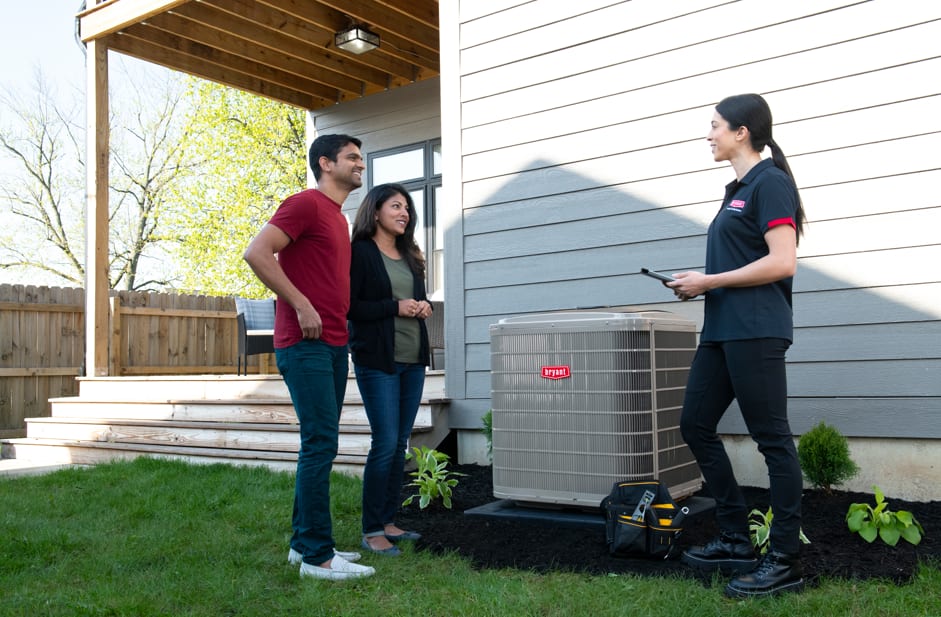
How do energy efficient HVAC systems work?
Energy efficient HVAC systems use advanced technology like variable-speed motors and inverter compressors to adjust output based on real-time needs rather than cycling fully on or off. This precision can help reduce unnecessary energy use, maintain more consistent temperatures, and improve humidity management, depending on the system and controls.
Why Upgrade to an Energy Efficient HVAC System?
Upgrading to an energy efficient HVAC system can reduce energy use and may lower operating costs over time, depending on the system's efficiency, installation, climate, energy rates, and how the system is operated.
Lower Operational Costs
High-efficiency units are designed to use less energy to provide a given amount of heating or cooling. Modern systems with high SEER2 (Seasonal Energy Efficiency Ratio), EER2 (Energy Efficiency Ratio), HSPF2 (Heating Seasonal Performance Factor) and AFUE (Annual Fuel Utilization Efficiency) ratings can use less energy than lower-rated equipment under comparable test conditions. Actual energy savings over the lifespan of the HVAC system depend on factors such as equipment sizing, installation, climate, operating conditions, energy prices, and the efficiency of the system.
Enhanced Indoor Comfort and Health
Energy efficient systems can provide precise control over temperature and humidity. Features like variable-speed airflow can reduce temperature fluctuations and support more consistent indoor comfort. Some systems can also improve humidity management when properly matched with compatible controls and equipment.
Commitment to Sustainability
Choosing an energy efficient HVAC system can reduce the energy required to heat and cool a home, which may also reduce associated emissions depending on the home's energy source. These systems may also use newer refrigerants like R-454B, actively reducing your home's overall carbon footprint.
What Technologies Make an HVAC System Energy Efficient?
Bryant's energy-efficient HVAC equipment can combine efficiency ratings with technologies that adjust system operation to changing heating and cooling demand. The following technologies can contribute to energy-efficient operation:
- Variable-Speed Motors: Unlike traditional "on/off" systems, variable-speed motors adjust airflow incrementally. This technology can help maintain more consistent temperatures while allowing the system to operate at lower output when full capacity is not required.. Learn more about inverter HVAC systems such as Bryant's Evolution™ Extreme Variable Speed Air Conditioner (191VAN) and Evolution™ Extreme Variable Speed Heat Pump (293VAN).
- Smart Thermostat Integration: Intelligent controls enable automated scheduling and remote access, which can help homeowners manage heating and cooling operation based on occupancy and preferences.
- Zoning Capabilities: Energy efficient systems often support zoning, which allows you to direct air only to occupied rooms, although actual energy savings depend on the home's design, zoning setup, equipment, and how the zones are operated. Learn more about HVAC zoning systems.
Bryant Energy Efficiency Examples
Bryant offers equipment with a range of published efficiency ratings. For example, the Evolution™ Extreme Variable Speed Air Conditioner (191VAN) offers up to 21 SEER2 and up to 12 EER2, while the Evolution™ 98 Variable-Speed Modulating Gas Furnace 987M offers up to 98.5% AFUE.
| HVAC Efficiency Rating | What It Measures | Example of a Higher-Efficiency Bryant Rating |
| SEER2 | Seasonal cooling efficiency for air conditioners and heat pumps | Evolution™ Extreme 191VAN: up to 21 SEER2 |
| EER2 | Cooling efficiency under specific test conditions | Evolution™ Extreme 191VAN: up to 12 EER2 |
| HSPF2 | Seasonal heating efficiency for heat pumps | Varies by Bryant heat pump model and system combination |
| AFUE | How efficiently a furnace converts fuel into usable heat over a heating season | Evolution™ 98 987M: up to 98.5% AFUE |
These ratings should be compared within the same metric and under the applicable testing conditions. A higher rating generally indicates greater efficiency for that metric, but it does not by itself predict a home's actual energy costs.
What Is Considered an Energy Efficient HVAC System?
There is no single SEER2, EER2, HSPF2, or AFUE number that defines every HVAC system as "energy efficient." Efficiency depends on equipment type, system size, geographic region, and applicable standards or certification criteria.
For example, ENERGY STAR currently specifies a minimum 95% AFUE for qualifying gas furnaces in the U.S. South and 97% AFUE in the U.S. North. For residential split-system heat pumps, ENERGY STAR criteria include minimum ratings of 15.2 SEER2, 11.0 EER2, and 7.8 HSPF2.
When comparing HVAC systems, homeowners should look at the applicable efficiency rating for the equipment type and compare complete, compatible system combinations rather than evaluating one component in isolation.
Connect With A Bryant Dealer On Energy Efficient HVAC Systems
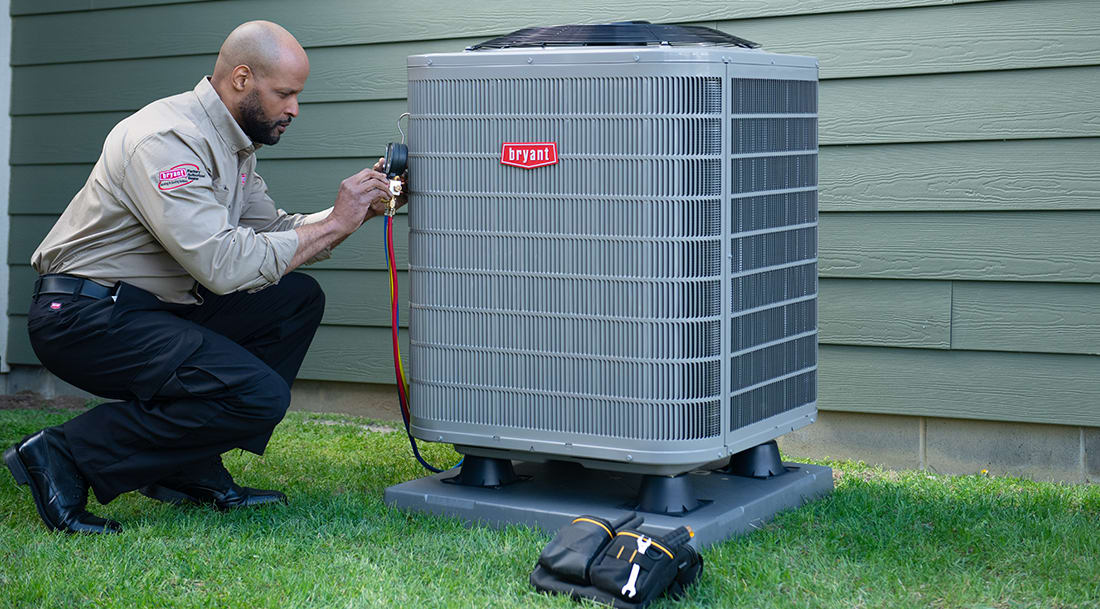
Connecting with your local Bryant dealer for HVAC installation is an important step in selecting and installing an energy efficient system.. Dealers are trained to conduct professional load calculations based on your home’s specific size, insulation, and climate to help determine the appropriate equipment capacity and system configuration This personalized consultation ensures you select a properly sized system with high efficiency ratings, securing your long-term energy savings and overall comfort.
A properly sized and installed HVAC system can help the equipment operate as designed. Your Bryant dealer can also compare available efficiency ratings, compatible equipment combinations, installation requirements, and potential incentives when providing an HVAC cost estimate for your home.
Energy Efficient HVAC System FAQs
While savings vary based on usage and climate, upgrading from an older, lower-SEER2 unit to a high-efficiency model can reduce cooling costs by up to 20% to 50% in some cases.
Yes, many modern energy efficient HVAC systems, including ductless mini splits, are designed to be retrofitted into older properties without extensive renovation.
Efficiency is measured by ratings such as SEER2 and EER2 for cooling) and HSPF2 and AFUE for heating. Generally, a SEER2 rating of 18 or higher, an HSPF2 of 18 or higher, and an AFUE of 97% or higher indicates a highly energy efficient system.
They can be, despite a higher upfront cost. The return on investment can come from lower monthly energy bills, longer system lifespan, and potential local utility rebates.
About The Expert Reviewer: Michelle Notaro is a Product Manager for Residential Air Conditioners at Bryant, helping guide the direction of residential cooling products. She considers changing homeowner priorities, emerging market developments, and regulatory requirements to support air conditioning solutions that address today's comfort and efficiency expectations.
Learn More About HVAC
- Discover what is HVAC
- Explore HVAC installation
- Read our guide on HVAC replacement
- Learn the importance of HVAC maintenance
- Get help with HVAC repair
- Check out our HVAC pricing guide


