About The Author: Travis Baugh is a Digital Brand Marketing Manager for Bryant, where he creates clear, helpful content to guide homeowners through heating, cooling, and indoor air quality decisions. His goal is to empower readers with the knowledge they need to choose the right comfort solutions for their home—confidently and comfortably.
Split AC Unit Guide
By Travis Baugh
A split AC unit (or split system air conditioner) is a residential cooling system that separates its components into an indoor air handler and an outdoor compressor. Connected by refrigerant lines, this design delivers efficient, quiet, and even cooling throughout your home.
For homeowners seeking long-term comfort and efficiency, our advanced HVAC systems offer unparalleled technology and energy savings. By moving the noisy components outside, a split system provides a whisper-quiet home environment while seamlessly integrating with smart home controls. This guide explores the benefits, key components, and expert tips on choosing the right split air conditioner for your home.
How Split System Air Conditioning Works
A split system air conditioner works by using refrigerant to absorb heat from inside your home and release it outdoors. This continuous thermodynamic cycle ensures a steady flow of cool, comfortable air.
David Fowler, owner of Family Heating and Air in Pensacola, Florida, breaks down how a split system works in simple terms.
“You have one unit inside and one unit outside,” Fowler said. “The two are connected and heat is transferred from either inside to outside or outside to inside.”
Here is the step-by-step cooling process for an air conditioner:
- Heat Absorption: The indoor unit pulls warm air from your rooms and passes it over an evaporator coil filled with AC refrigerant. The refrigerant absorbs the heat, instantly cooling the air, which is then circulated back into your home.
- Heat Transfer: The heated refrigerant travels through lines to the outdoor unit.
- Heat Release: The outdoor compressor pressurizes the refrigerant, increasing its temperature. It then flows through the condenser coil, releasing the trapped heat into the outside air and returning the refrigerant to a liquid state.
- Repeat Cycle: The cooled liquid refrigerant returns indoors to repeat the process, maintaining a steady, comfortable temperature.
Learn more in our guide on how an AC works.
Key Components of a Split AC System
A split AC system consists of five main components: the outdoor condenser, the compressor, the indoor evaporator coil, the air handler, and the refrigerant. Together, these parts facilitate the transfer of heat to keep your home comfortable.
- Condenser (outdoor unit): Releases absorbed heat outdoors. It houses the compressor and condenser coil.
- Compressor: The is the heart of the system. It pressurizes the refrigerant gas, which helps facilitate heat transfer from the indoor to the outdoor unit.
- Evaporator coil: Located inside (often in an air handler or furnace), it absorbs heat from indoor air.
- Refrigerant : The chemical fluid that circulates between units, carrying heat out of your home.
- Air handler: Circulates the conditioned air through your ductwork and into your living spaces.
5 Major Benefits of Split AC Units
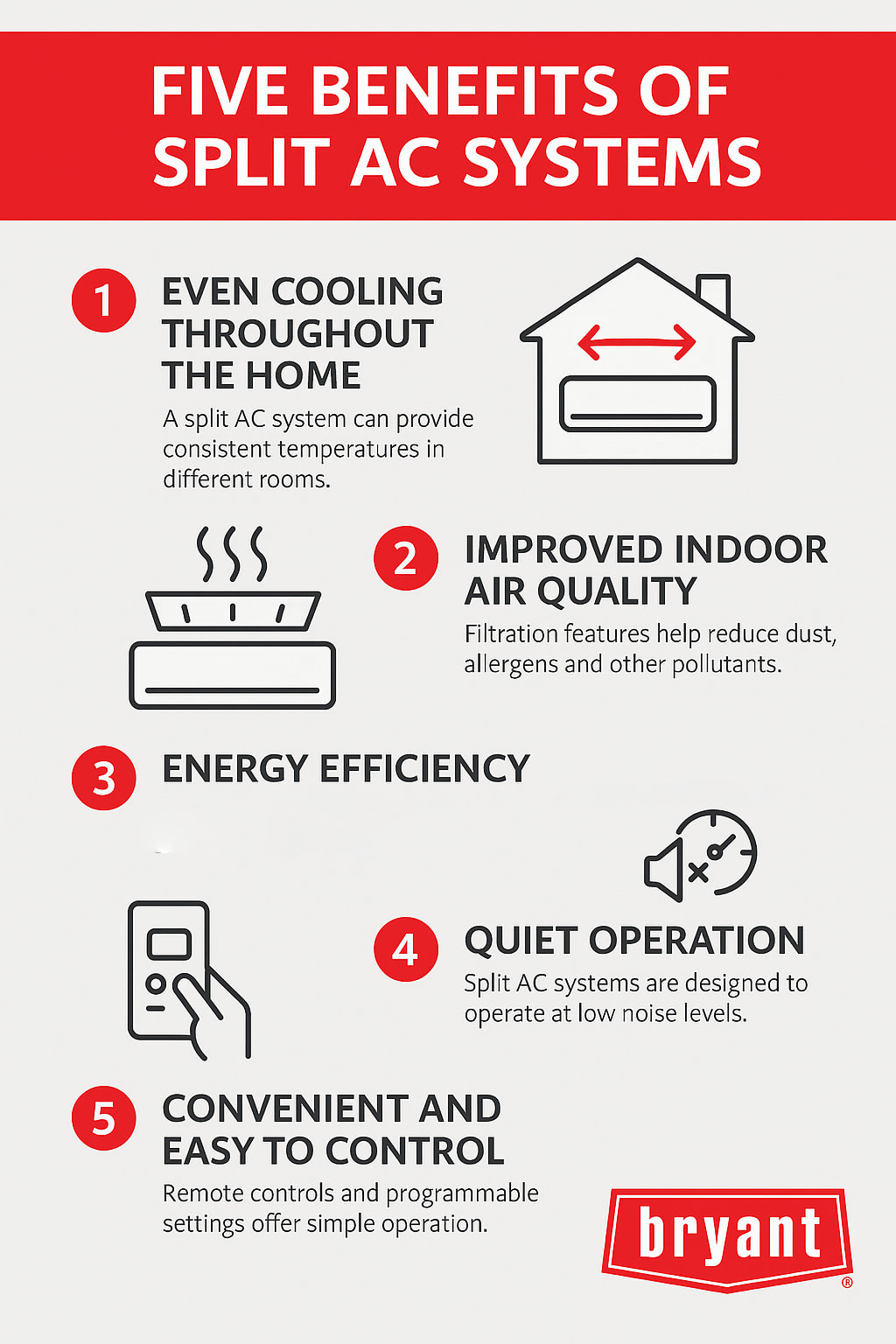
Split AC units offer significant advantages over window units, including even home cooling, superior energy efficiency, advanced air filtration, quiet operation, and smart home compatibility.
1. Even Cooling Throughout the Home Consistent, Even Cooling
Unlike window units that only cool a single room, split air conditioning systems use ducts to distribute cool air evenly, eliminating hot spots and ensuring every corner of your home is comfortable.
2. Enhanced Indoor Air Quality
Many split systems feature advanced filtration that traps dust, allergens, and pollutants. Regular air filter replacement helps ensure cleaner, healthier air for your family.
3. Superior Energy Efficiency
Modern split AC units are designed to minimize energy waste. High SEER2 (Seasonal Energy Efficiency Ratio) and EER2 (Energy Efficiency Ratio) ratings mean these units deliver powerful cooling while consuming less electricity, helping lower your monthly cooling bills.
4. Quiet Operation
Because the noisy components (compressor and condenser) are located outside, the indoor operation is quiet as a whisper. This allows you to enjoy a peaceful home environment without disruptive mechanical sounds.
5. Smart Control & Convenience
Control your entire home's climate from a single thermostat. Paired with smart thermostats, you can adjust temperatures from your phone, optimizing comfort and savings automatically.
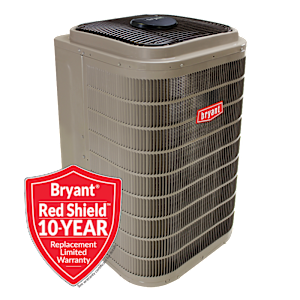
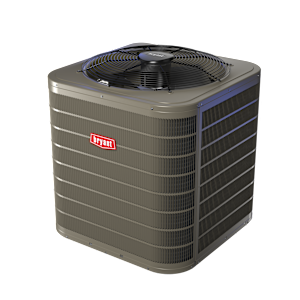
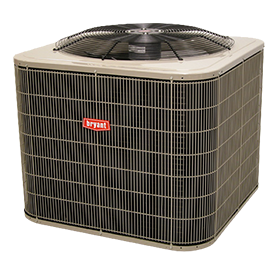
| Category | BEST – Evolution™ System | BETTER – Preferred™ Series | GOOD – Legacy™ Line |
| Energy Management | Extreme variable-speed operation. Our highest efficiency model makes adjustments and decisions each second to deliver comfort with much higher efficiency than standard or two-stage models. | Two-stage operation automatically chooses between low and high stages to maintain more consistent temperatures. Single-stage operation switches on each time the temperature rises above the thermostat set point. | Single-stage operation switches on each time the temperature rises above the thermostat set point. |
| Durability | Protection features galvanized steel cabinets, baked-on powder paint and louvered coil guard. | DuraGuard™ Plus Protection features galvanized steel cabinets, baked-on powder paint and louvered coil guard. | DuraGuard Protection features galvanized steel cabinets, baked-on powder paint. |
| Humidity Management | Perfect Humidity Technology™. This feature leverages multi-stage systems to maximize humidity removal without over-cooling. | Enhanced Humidity Management provides enhanced humidity removal during cooling operation. | Basic humidity management provides basic humidity removal during cooling operation. |
How to Choose the Right Split AC Unit
Choosing the right split AC unit requires evaluating your home's square footage, desired cooling capacity (BTUs), targeted energy efficiency ratings, and preferred noise levels.
- Home Size & Layout: Larger homes require higher tonnage (cooling capacity) to maintain comfort. Insulation quality and ceiling height also play a role. Your local Bryant dealer can help you find the right air conditioner size for your home.
- Cooling Capacity (BTUs): An undersized unit won't cool effectively, while an oversized one will cycle on and off too frequently. Your local dealer can calculate the exact size you need. “It’s important to think about the efficiency of the unit,” Fowler said. “That can go a long way in impacting your energy bill.” Learn more popular AC sizes: 2 ton, 3 ton, 4 ton, and 5 ton.
- Energy Efficiency Ratings: Look for high SEER2 ratings to maximize long-term savings.
- Noise Levels: If outdoor noise is a concern, check the decibel (dB) rating of the central air conditioner. Quiet models typically run between 50–60 dB.
Split HVAC System Installation and Maintenance
Proper installation and routine maintenance are essential to maximizing the 12–15 year lifespan of your split AC system. The indoor unit is typically placed in a basement, attic, or closet, while the outdoor unit sits in a ventilated area. Professional AC installation ensures refrigerant lines are sealed and ductwork is optimized.
To keep your split AC unit running efficiently:
- Replace air filters regularly.
- Clear debris (leaves, dirt) from the outdoor unit.
- Schedule annual AC maintenance with a professional technician.
“It’s kind of like a car,” Samantha Houchin, owner of The Weather Changers in Denver, Colorado, said. “You have to get oil changes to help the engine run. It's the same thing with heating and cooling. doing routine maintenance, make sure that the system runs the way that it's supposed to.”

Connect With A Bryant Dealer on Split Air Conditioners
At Bryant, we offer a wide range of types of air conditioners that provide exceptional energy efficiency, quiet operation, and improved air quality. Our reliable and innovative cooling solutions are designed to meet the unique needs of every homeowner. Contact your local Bryant dealer today to discover the best air conditioner for your home or to schedule an AC replacement appointment.
Compare Bryant Air Conditioners
A Bryant air conditioner offers reliable performance, energy efficiency, and advanced cooling technology to keep your home comfortable year-round. With high SEER2 ratings, Bryant units provide cost-effective operation, reducing energy bills while delivering powerful cooling. Their durable construction ensures long-lasting performance, and quiet operation enhances home comfort. Plus, Bryant’s smart thermostat compatibility and industry-leading warranties make it a trusted choice for homeowners seeking efficient, dependable cooling solutions.
FAQs
Split systems use high-efficiency compressors and require professional installation with refrigerant piping and wiring, which adds to the overall cost.
Common issues include refrigerant leaks, dirty filters, or faulty sensors that affect cooling performance. Regular AC maintenance helps prevent these problems.
A well-maintained split AC system can typically last 12–15 years on average, depending on usage, maintenance, and local climate.
Split systems have higher installation costs and energy bills than window or portable air conditioners.
A split AC unit has two main components: an indoor air handler and an outdoor condenser connected by refrigerant lines. This design offers quiet operation and efficient cooling for homes.
A split AC has separate indoor and outdoor components, whereas a packaged unit houses all components (compressor, condenser, and evaporator) in a single outdoor cabinet. Split systems are generally more efficient and quieter for residential use.
Yes, split AC units can be highly efficient, especially variable-speed units with high SEER2 ratings. Their design minimizes energy loss associated with ductwork (if well-maintained) and allows for zoning, which can further reduce energy consumption.
Installation costs vary based on home size, unit efficiency, and existing ductwork. While the upfront investment is higher than portable or window units, the long-term energy savings and increased home value can often make it a cost-effective choice.
No, installation requires handling refrigerant, electrical wiring, and specialized tools. It should always be performed by a licensed HVAC professional to ensure safety, efficiency, and warranty compliance.
Yes, many modern split AC systems feature advanced filtration that helps capture dust, pollutants, and allergens, helping you breathe cleaner air indoors.
Learn More About Air Conditioners
- Get in the know on air conditioning service
- Find out what is an inverter air conditioner
- Find out how long do AC units last?
- Learn how to clean air conditioners
- Discover the difference in a heat pump vs air conditioner


