About The Author: Travis Baugh is a Digital Brand Marketing Manager for Bryant, where he creates clear, helpful content to guide homeowners through heating, cooling, and indoor air quality decisions. His goal is to empower readers with the knowledge they need to choose the right comfort solutions for their home—confidently and comfortably.
Step-by-Step AC Installation Process
By Travis Baugh
Professional AC installation involves site assessment, proper system sizing, electrical work, refrigerant handling, and final testing. For whole-home central air systems, hiring a licensed HVAC technician — such as a Bryant Factory Authorized Dealer — is strongly recommended to ensure safe operation, code compliance, and long-term efficiency.
Installing a new air conditioner is one of the most impactful upgrades a homeowner can make for comfort, energy efficiency, and home value. This guide covers everything to expect during AC installation — from evaluating cooling needs and selecting the right system size, to understanding timelines, permits, ductwork considerations, and final testing.
While smaller window units can often be installed as a DIY project with basic tools and attention to safety, whole-home central air systems are far more complex. Proper sizing, refrigerant charging, electrical work, airflow balancing, and code compliance all directly impact performance and safe, reliable operation. Working with your local Bryant dealer helps ensure the system is installed correctly and delivers reliable comfort for years to come.
What Is AC Installation?
AC installation is the professional process of evaluating a home's cooling needs, selecting and sizing the appropriate equipment, installing the indoor and outdoor components, connecting electrical and refrigerant lines, and testing the completed system. A typical central AC replacement can take about 4 to 8 hours, although projects involving ductwork modifications, electrical upgrades, or other changes may extend into a second day. **
Bryant's air conditioner installation process centers on three stages: Site Assessment and Planning, Precision Installation, and Testing and Optimization. This approach helps a Bryant Factory Authorized Dealer evaluate the home, install the system according to manufacturer requirements, and verify that it is operating properly before completing the job.
How to Install an Air Conditioner
Installing a whole-home air conditioning system involves careful planning, proper sizing, electrical work, refrigerant handling, and system testing. While the exact steps vary depending on whether you're installing a ductless mini-split or a traditional ducted central AC system, the overall process follows a structured sequence to ensure safe operation and long-term efficiency.
How to Install a Central Ducted AC System
Central AC installation is complex and should be performed by a qualified HVAC professional. The steps below apply to replacing or upgrading an existing ducted system:
- Remove the old unit: The existing air conditioner and related components are safely disconnected and removed. A Bryant Factory Authorized Dealer follows applicable refrigerant-recovery requirements when removing equipment. EPA regulations require technicians who service equipment in a way that could release refrigerant to be Section 608 certified.
- Prepare the outdoor site: A stable, level pad is installed or adjusted to support the new condenser. The area is cleared to ensure proper airflow and drainage. Bryant Factory Authorized Dealers evaluate equipment placement as part of the installation process, including access for future service.
- Install the new indoor unit: The indoor evaporator coil or air handler is installed within the existing ductwork system. Connections are sealed to prevent air leaks and efficiency loss. Bryant dealers assess existing ductwork and make necessary connections or modifications to support proper system airflow.
- Run refrigerant lines: New refrigerant lines are routed between the indoor and outdoor units. Line sets are insulated and secured to protect against damage and energy loss. Bryant Factory Authorized Dealers connect refrigerant piping according to Bryant equipment requirements and applicable codes.
- Set up electrical connections: All electrical work is completed, including the disconnect box, breaker panel connections, and thermostat wiring. All work must meet local building codes. Bryant technicians verify the electrical setup is appropriate for the selected equipment and complete connections according to manufacturer specifications and local requirements.
- Remove air and moisture: The system is vacuumed to eliminate air and moisture from the refrigerant lines — a critical step for proper system operation and refrigerant-circuit integrity. Bryant installation procedures include evacuating the refrigerant circuit before final charging.
- Turn on and test: Refrigerant charge is finalized, airflow is balanced, and the system is tested to confirm proper operation, temperature control, and overall performance. As part of Bryant's Testing and Optimization stage, the dealer verifies refrigerant levels, airflow, thermostat operation, and system performance before completing the installation.
Ductless AC Systems
Ductless mini-split installation is best suited for homes without existing ductwork, room additions, or targeted zone cooling. The process typically takes one to two days, depending on the system and installation requirements. The process follows these steps:
- Prepare: Evaluate the room layout, determine proper system sizing, and choose mounting locations for both the indoor and outdoor units. The installer also verifies electrical capacity and identifies the best path for refrigerant lines.
- Mount indoor unit: The indoor air handler is securely mounted to an interior wall, positioned to allow proper airflow and drainage. A mounting bracket is leveled and anchored to support the unit’s weight.
- Drill holes for lines and wiring: A small hole is drilled through the exterior wall to run the refrigerant lines, condensate drain, and electrical wiring. Proper placement ensures minimal visual impact and safe routing.
- Install outdoor unit: The outdoor condenser is placed on a level pad or mounting brackets. Adequate clearance is maintained around the unit for airflow and service access.
- Connect lines: Refrigerant lines, electrical wiring, and the condensate drain are connected between the indoor and outdoor units. Connections must be sealed and tightened to manufacturer specifications.
- Seal wall: The wall penetration is sealed to prevent air leaks, moisture intrusion, and pest entry. This step also improves overall energy efficiency.
- Test: The system is vacuumed to remove air and moisture, refrigerant levels are verified, and the unit is powered on to confirm proper cooling performance.
What Factors Should I Consider Before Installing an Air Conditioner?
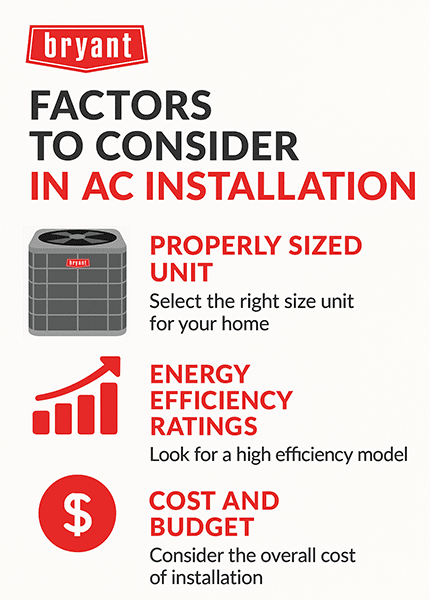
Before scheduling AC installation, homeowners should evaluate system sizing, efficiency, installation requirements, local permit obligations, and the specialized tools and skills involved.
Safety
Before beginning AC installation, a qualified technician should follow appropriate electrical and refrigerant-safety procedures. Working around sharp metal components, heavy equipment, high-voltage electrical connections, and refrigerant requires specialized training and equipment.
Local Permits
Many municipalities require permits for installing or replacing a central air conditioning system. In some areas, homeowners may pull their own permits; in others, a licensed HVAC contractor must handle permitting and inspections. Checking local building codes before scheduling installation helps avoid fines, project delays, or complications with home insurance coverage.
Specialty Tools and Skills
Installing a whole-home AC system requires specialized tools — including vacuum pumps, refrigerant recovery equipment, manifold gauges, brazing equipment, and other equipment used to prepare and test the system. The work also demands technical expertise to size the system correctly and ensure airtight, leak-free connections. Additionally, old units and refrigerants must be handled and recovered in compliance with environmental regulations
High-Risk Steps
Certain parts of the AC installation process carry significant risk, particularly when working with high-voltage electrical connections and pressurized refrigerant lines. Mistakes can lead to system damage, reduced efficiency, or serious injury. For the safest and most reliable results, hiring a qualified HVAC professional is strongly recommended.
Cost of AC Installation
AC installation typically costs between $3,000 and $15,000, including installation, depending on the system size, efficiency rating, and installation complexity. Bryant currently publishes this range for central air conditioner installation and notes that pricing varies based on equipment size, efficiency, and installation requirements.
Several variables affect the final investment:
- System type and efficiency: Higher-efficiency, variable-speed systems carry a higher upfront price but may reduce energy consumption over time.
- Installation complexity: Replacing old refrigerant lines, upgrading electrical panels, or modifying ductwork will increase total cost.
- Labor and regional rates: Local labor costs, permit requirements, and regional climate demands all influence pricing.
- Home size: A new air conditioner for a 2,000-sq-ft home typically falls within the $3,000–$15,000 range, depending on efficiency ratings and ductwork needs.
While it may be tempting to focus solely on upfront cost, proper sizing, quality installation, and warranty protection are critical to ensuring long-term performance and efficiency. Learn more about air conditioner price.
Why Professional AC Installation Matters
Professional installation is critical to the safe operation, performance, and reliability of a cooling system. An improperly installed AC unit can reduce efficiency, affect comfort, and create safety risks.
Mike Lea, co-owner of Lea Heating & Air Conditioning in East Dundee, Illinois, emphasizes that AC installation should always be performed by a professional HVAC technician for the homeowner’s safety.
“We have technicians with NATE certification who complete extensive schooling to learn the safety requirements for installing air conditioners,” Lea said. “If a unit isn’t installed properly, its longevity and efficiency can be severely compromised. Technicians also ensure the unit is correctly sized, the electrical setup can handle it, and the installation complies with local building codes.”
NATE-certified technicians bring a level of precision and accountability that protects homeowners from costly errors — and ensures the system performs as designed from day one.
What To Expect During Bryant AC Installation
Partnering with a local Bryant dealer ensures your air conditioner installation is professionally evaluated and installed with attention to system sizing, efficiency, safety, and code requirements — setting the foundation for reliable comfort, year after year.
Bryant's three-stage installation approach — Site Assessment and Planning, Precision Installation, and Testing and Optimization — provides a simple way to understand what homeowners can expect from a professional installation.
The central air conditioner installation process through a Bryant dealer is rigorous and transparent, designed to minimize disruption while maximizing performance. Most Bryant AC installations are completed within one to two consecutive days, depending on the scope of the project and any required system modifications.
- Site Assessment and Planning: Your dealer evaluates your insulation, ductwork, home layout, and cooling requirements to determine the appropriate equipment and installation approach.
- Precision Installation: Your Bryant Factory Authorized Dealer installs the equipment and completes required ductwork, refrigerant, electrical, and thermostat connections according to manufacturer requirements and applicable codes.
- Testing and Optimization: Your Bryant dealer doesn't install and walk away. The technician verifies refrigerant levels, airflow, thermostat operation, and overall system performance before completing the installation.
This three-stage approach is designed to help ensure that the equipment selected for your home is properly installed and operating as intended.

Why Choose Bryant For Your Air Conditioner Installation?
Bryant has been a trusted name in home comfort since 1904. Every installation is backed by a nationwide network of Factory Authorized Dealers, industry-leading warranties, and a 100% Satisfaction Guarantee.
Factory Authorized Dealers
Bryant Factory Authorized Dealers are more than installers — they are professionals who meet Bryant's standards for training, licensing, insurance, and service. Earning the Factory Authorized designation requires comprehensive training and ongoing performance standards. Every qualifying installation is backed by a 100% Satisfaction Guarantee: if a homeowner is dissatisfied with Bryant equipment within the first year of installation, the dealer will correct the issue or refund the purchase price.
“Each Bryant Factory Authorized Dealer is thoroughly evaluated and held to a high standard,” Melissa Frause, owner of Bob’s Heating and Air Conditioning in Woodinville, WA, said. “We’ve been recognized by Bryant as having the knowledge and experience to sell, install, and maintain the best heating and cooling systems for homeowners.”
Solutions For Every Budget
Bryant offers a tiered product lineup to match a range of comfort needs and financial priorities:
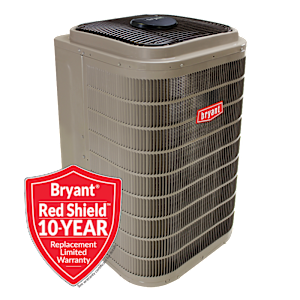
- Evolution™ System: Variable-speed, intelligent cooling for advanced efficiency and comfort.
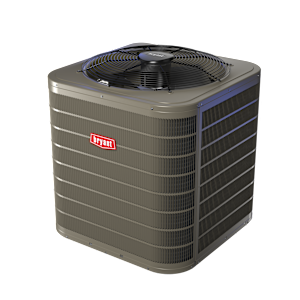
- Preferred™ Series: Reliable two-stage and single-stage options designed for consistent comfort.
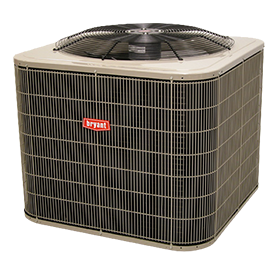
- Legacy™ Line: Straightforward, dependable single-stage cooling options.
An HVAC Professional Near You, No Matter Where You Live
Bryant's nationwide dealer network means a qualified, Factory Authorized Dealer is available in many communities across the country. Find your local Bryant dealer to schedule an AC installation assessment today.
Compare Bryant Air Conditioners
A Bryant air conditioner offers reliable performance, energy efficiency, and advanced cooling technology to keep your home comfortable year-round. With high SEER2 ratings, Bryant units provide cost-effective operation, helping reduce energy bills while delivering powerful cooling. Their durable construction ensures long-lasting performance, and quiet operation enhances home comfort. Plus, Bryant’s smart thermostat compatibility and industry-leading warranties make it a trusted choice for homeowners seeking efficient, dependable cooling solutions.
AC Installation FAQs
The cost to install an AC system can range from $3,000 to $15,000, depending on the type, size, and home requirements. Learn more about central AC price.
Installing AC is expensive because it involves equipment, labor, ductwork or electrical upgrades, and ensuring proper efficiency and safety.
The average lifespan of an AC unit is typically 10–15 years, though proper AC maintenance can help extend its life.
The average installed cost of a new air conditioner for a 2,000-sq-ft home can range from $3,000 to $15,000, depending on system efficiency, ductwork, and installation complexity. Bryant dealers can provide precise estimates based on your home and comfort needs.
Most standard AC installations can be completed in one day (8–10 hours). However, if extensive ductwork modification or electrical upgrades are required, the process may take 2–3 days.
Yes, Bryant offers comprehensive limited warranties on parts. Additionally, installations performed by Bryant Factory Authorized Dealers come with a 100% Satisfaction Guarantee for the first year.
No. DIY installation of a whole-home central AC system is not recommended. The process requires specialized tools, technical knowledge, refrigerant handling credentials, and local permit compliance. Improper installation can reduce efficiency and void manufacturer warranties.
In most municipalities, yes. Central AC installation typically requires a permit, and in many areas, the work must be performed or overseen by a licensed HVAC contractor. Always verify local building codes before beginning any installation project.
Learn More About Air Conditioners
- Learn how does air conditioning work
- Find out what is an inverter air conditioner
- Discover the factors in choosing the best air conditioner
- Undersand what size air conditioner you need
- Find out how long do AC units last?
- Discover the difference in a heat pump vs air conditioner


