About The Author: Travis Baugh is a Digital Brand Marketing Manager for Bryant, where he creates clear, helpful content to guide homeowners through heating, cooling, and indoor air quality decisions. His goal is to empower readers with the knowledge they need to choose the right comfort solutions for their home—confidently and comfortably.
What is the Best Humidity Level for Sleeping?
By Travis Baugh
The best humidity level for sleeping is between 30% and 50% relative humidity (RH). This ideal range helps keep your airways comfortable, prevents skin and sinus irritation, and promotes a stable, reliable bedroom environment for a more restful night's sleep.
While a high-quality mattress is essential, the invisible environment of your bedroom plays an equally critical role in how well you rest. Achieving the ideal humidity for sleep helps your body recover effectively, ensuring you wake up feeling revitalized rather than dehydrated or groggy. For homeowners seeking long-term comfort, investing in a balanced indoor climate is an investment in your daily health and well-being.
How Does Humidity Affect Sleep Quality?
Humidity impacts sleep quality by regulating your body's ability to manage temperature and retaining necessary moisture in your skin and respiratory system. When the air in your bedroom is not balanced, it disrupts the deep, restorative stages of sleep your body craves.
- High Humidity (Above 50%): When humidity is too high, sweat evaporates slowly, making you feel warm and sticky. This discomfort can lead to restlessness, frequent awakenings, and even snoring. High moisture levels can also encourage the growth of dust mites and other allergens, potentially causing nighttime congestion and reducing your indoor air quality.
- Low Humidity (Below 30%): When humidity is too low, the dry air pulls moisture from your skin and airways. This can cause a dry, scratchy throat, irritated nasal passages, and itchy skin, disrupting your ability to fall and stay asleep.
Balanced humidity supports your body’s natural sleep cycle, which includes light, deep, and REM sleep stages. By maintaining an optimal RH, you help your body cool itself efficiently, paving the way for deeper, more restorative sleep and enhanced daytime energy.
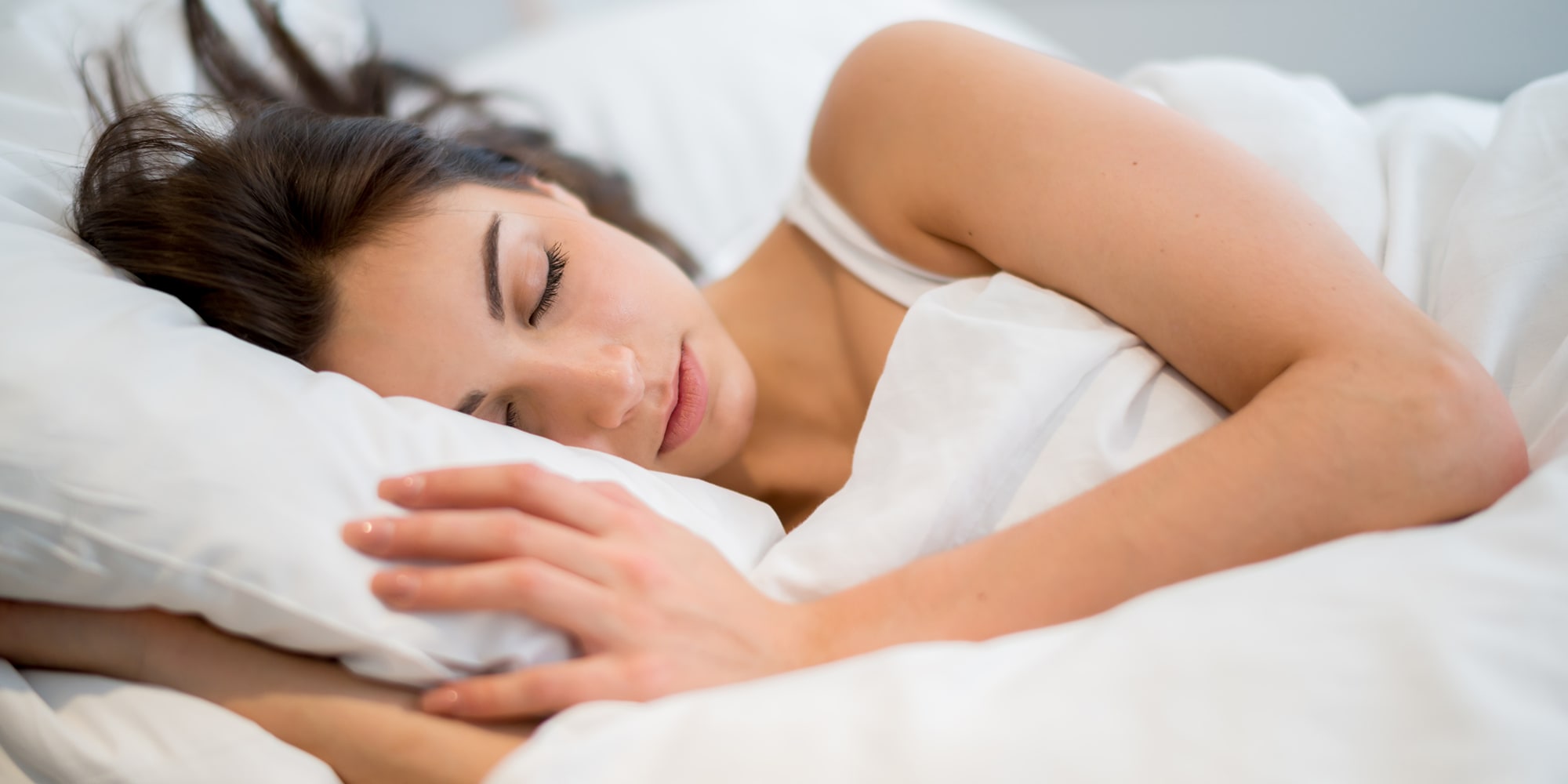
Why is a 30-50% Humidity Level Ideal for Sleep?
A relative humidity range of 30% to 50% is ideal for sleep because it maximizes physical comfort while minimizing health risks and protecting your home's interior. Most experts agree that hovering around 40% to 45% RH is the ultimate sweet spot.
This precise balance reduces static electricity and prevents the dry air that spreads viruses, without tipping into the damp conditions that damage homes. Beyond better sleep, staying within this range protects your long-term investment in your home:
- HVAC Efficiency: Balanced air reduces the strain on your heating and cooling systems.
- Home Preservation: Prevents wood floors and furniture from cracking (due to dryness) or warping (due to dampness).
- Electronics Protection: Reduces the risk of damage from static discharge or condensation.
It's important to remember that seasonal changes drastically affect indoor humidity. Colder winter air is naturally drier, which can pull your home's RH below 30%. In contrast, humid summer air can raise indoor RH above 50%. Adjusting with a whole-home humidifier in winter and a dehumidifier in summer is key to maintaining the best humidity level for sleeping year-round.
How Can You Maintain Optimal Humidity for Sleeping?
To maintain the best humidity level for sleeping, you should consistently aim for a range between 30% and 50% RH in your bedroom. You can achieve this by monitoring your air, utilizing smart home integration, and performing routine maintenance.
Here are four key steps to achieve this:
- Measure Accurately: Use a dedicated hygrometer or a Bryant smart thermostat with humidity monitoring to get real-time RH readings. This data allows you to make precise adjustments.
- Use a Humidifier or Dehumidifier: In dry winter months, a Bryant whole-home humidifier adds necessary moisture to the air. During humid summers, a Bryant whole-home dehumidifier efficiently removes excess moisture to eliminate that sticky feeling.
- Ensure Proper Ventilation: Good airflow is critical for balancing temperature and moisture. Use kitchen and bathroom exhaust fans to remove steam and ensure your HVAC system's return vents are clear for effective air circulation.
- Perform Regular HVAC Maintenance: A clean air filter and properly sealed ducts support consistent airflow. Scheduling professional tune-ups ensures your equipment runs quietly and efficiently, which is especially important for light sleepers.
Bryant Solutions for Whole-Home Humidity Control
Bryant offers an advanced portfolio of whole-home humidifiers and dehumidifiers engineered to automatically maintain a 30% to 50% RH balance in every season. Achieving the best humidity level for sleeping is simple when you leverage the latest in HVAC technology.
- For Dry Winters: In dry seasons, our whole-home humidifiers add a fine water vapor into your home's airstream, soothing dry skin and irritated throats that can disrupt sleep.
- For Humid Summers: During humid months, our dehumidifiers draw excess moisture from the air, making your home feel cooler and more comfortable without needing to lower the thermostat —helping to reduce energy bills.
When paired with our smart thermostats, these systems can automatically monitor and adjust humidity levels, providing effortless smart home integration. By managing humidity, you also breathe cleaner air by reducing the conditions that allow allergens like dust mites to thrive.
Connect With A Bryant Dealer
Transforming your bedroom into a sanctuary for sleep requires the right technology and expertise. A local Bryant dealer can evaluate your home's unique needs and recommend a system that delivers reliable, long-term comfort.
Schedule an appointment today.
Humidity Level For Sleeping FAQs
The ideal humidity level for sleep is typically between 30% and 50%. This range helps keep your airways clear, prevents dry skin, and supports overall comfort throughout the night.
Using a humidifier can help maintain ideal moisture levels.
Signs of excess humidity include a damp or musty smell, condensation on windows, clammy bedding, or visible mold and mildew. These conditions can make the room feel stuffy and interfere with comfortable sleep.
Yes, low humidity can lead to dry throat, itchy skin, and nasal irritation, making it harder to fall or stay asleep. It can also worsen allergy or sinus symptoms overnight.
Proper humidity can help promote easier breathing, reduce snoring, and prevent dryness that can disrupt rest. Too much or too little moisture in the air can cause discomfort, congestion, or restless sleep.
Neither extreme is ideal. Sleeping in air with balanced humidity supports a more comfortable and consistent indoor environment.
Modern, advanced whole-home humidifiers are highly energy-efficient. In fact, properly humidified air feels warmer, which can allow you to lower your thermostat and actually reduce winter heating bills.
Learn More About Humidifiers
- Explore Bryant humidifiers
- Learn what does a humidifier do?
- Find out what humidity should my house be at?
- Discover humidifier benefits
- Discover whole house humidifier types
- Explore the factors of whole house humidifier cost


