



About The Author: Travis Baugh is a Digital Brand Marketing Manager for Bryant, where he creates clear, helpful content to guide homeowners through heating, cooling, and indoor air quality decisions. His goal is to empower readers with the knowledge they need to choose the right comfort solutions for their home—confidently and comfortably.
Your Guide To Understanding Air Conditioning Systems
By Travis Baugh
An air conditioning system is a home climate solution designed to cool indoor air by removing heat and humidity, ensuring a comfortable living environment. Whether you are upgrading an outdated unit or installing a system in a new home, understanding how these systems function is the first step toward long-term comfort and energy efficiency.
In this guide, we provide expert insights into modern air conditioning technology, helping you choose the right system and navigate AC installation and AC maintenance with confidence.
How Air Conditioning Systems Work
At its core, an air conditioning system works by using a refrigeration cycle to transfer heat from inside your home to the outdoors. It doesn't just "add" cold air; it subtracts heat.
The 4-Step Cooling Cycle
The process relies on four critical components: the compressor, condenser, expansion valve, and evaporator coil.
- Compression: The cycle begins outdoors, where the compressor pressurizes AC refrigerant gas, raising its temperature.
- Condensation: This hot, high-pressure gas moves to the condenser coil (also outdoors). Here, it releases heat into the outside air and transforms into a liquid.
- Expansion: The liquid refrigerant flows toward the house and passes through an expansion valve. This valve reduces pressure, turning the liquid into a cold, low-pressure gas.
- Evaporation: Inside your home, this cold gas runs through the evaporator coil. As warm indoor air blows over the coil, the refrigerant absorbs the heat. The resulting cool air is circulated back into your rooms by a blower fan.
Throughout this continuous loop, the air conditioner lowers indoor temperatures and removes excess moisture. For a deeper dive into the physics of cooling, read more about how does air conditioning work.
Benefits of Installing An Air Conditioning System
Investing in a modern air conditioner offers more than just cool air; it provides a comprehensive solution for a healthier, more efficient home.
Precise Temperature Control
Advanced systems, particularly split AC units, allow you to maintain a consistent atmosphere regardless of the heat outside. This reliability is crucial for long-term comfort, ensuring your home remains a sanctuary even during extreme summer spikes.
Improved Air Quality and Health
Breathe cleaner air with a system designed to filter out pollutants.
- Filtration: Standard filters capture dust, pollen, and pet dander, significantly improving indoor air quality.
- Circulation: Bryant’s innovative variable-speed motors and multi-stage compressors optimize airflow, preventing stagnant air pockets and ensuring fresh, filtered air reaches every corner of your home.
- Humidity Control: High humidity can lead to mold growth and discomfort. Bryant's Evolution™ Series systems feature advanced humidity control technology to keep moisture levels in the optimal range.
Protection for Your Home and Electronics
Heat is the enemy of electronics. An efficient AC system regulates ambient temperature, extending the lifespan of sensitive devices like computers, gaming consoles, and smart home hubs by preventing overheating.
Types of Air Conditioning Systems
Choosing the right system depends on your home’s layout, your energy goals, and your existing infrastructure.
Central Air Conditioning Systems
Best for: Cooling entire homes with existing ductwork.
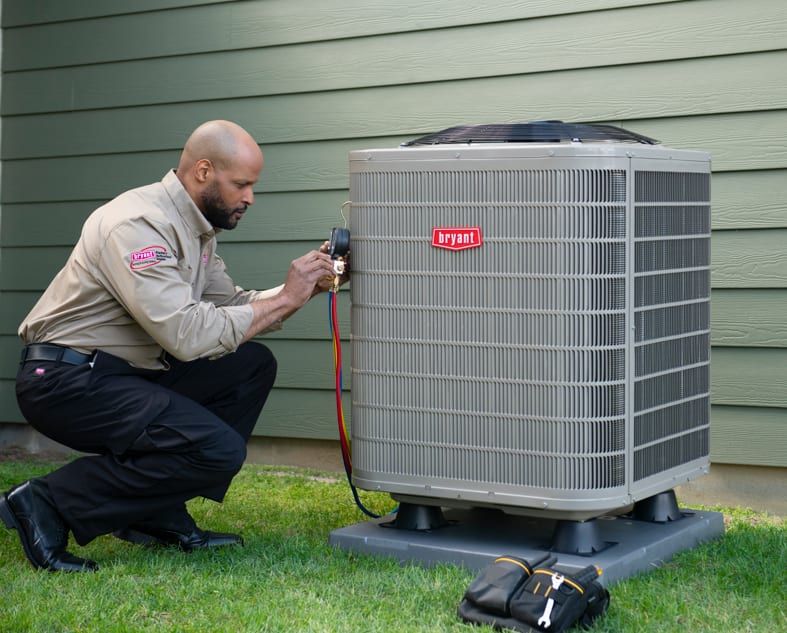
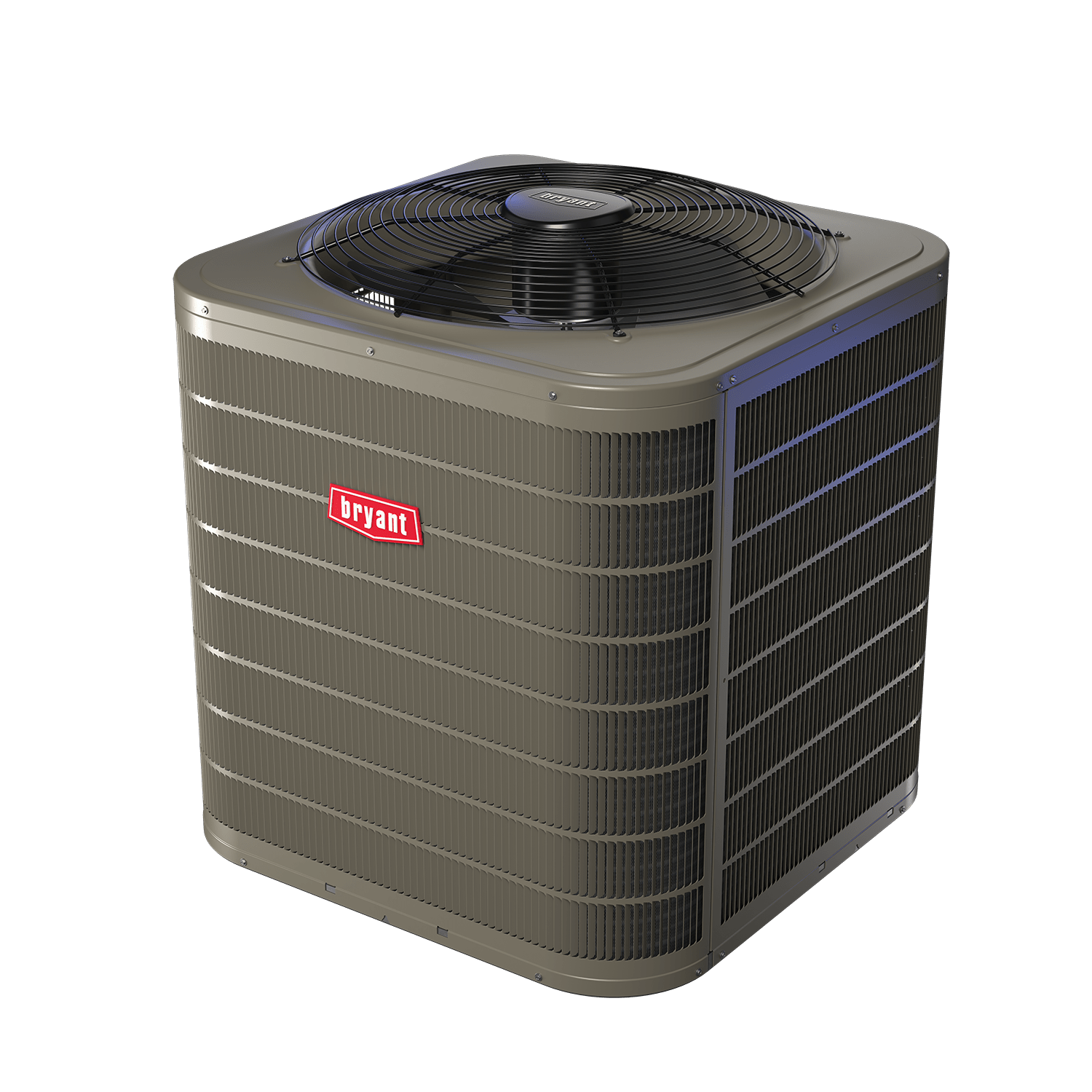
Central AC is the gold standard for whole-home comfort. It pairs an outdoor unit with an indoor unit (such as a fan coil or furnace) to distribute cool air through ducts. It offers seamless integration and consistent temperatures across large spaces. Learn more about what is central air conditioning.
Ductless Mini Split Systems
Best for: Homes without ducts, room additions, or targeted zoning.
Ductless mini split systems offer flexible, energy-efficient cooling. An outdoor compressor connects to indoor air-handling units mounted in specific rooms. This allows for "zoning," where you only cool the rooms you are using—an excellent strategy for reducing energy bills. Read more on what is a mini split.
Packaged Systems
Best for: Homes with limited indoor space.
Packaged products are all-in-one solutions where the compressor, condenser, and evaporator are housed in a single metal cabinet, usually placed on a roof or a concrete slab. They are compact, efficient, and capable of providing both heating and cooling.
Connect With A Bryant Dealer To Find The AC System Right For you
Ready to invest in comfort? Bryant offers a portfolio of innovative, reliable, and sustainable solutions designed around your needs. Whether you need a high-efficiency central system or a versatile ductless unit, our experts are here to help. Schedule an appointment with your local Bryant dealer today to find the AC system right for you.
Learn More About Air Conditioners
- Learn about types of air conditioners
- Get in the know on air conditioning service
- Explore and AC replacement
- Understand and AC tune ups
- Discover the factors in choosing what size air conditioner you need
- Get help with an AC not working
- Find out how long do AC units last?