About The Author: Travis Baugh is a Digital Brand Marketing Manager for Bryant, where he creates clear, helpful content to guide homeowners through heating, cooling, and indoor air quality decisions. His goal is to empower readers with the knowledge they need to choose the right comfort solutions for their home—confidently and comfortably.
Do Air Purifiers Work And Are They Worth It?
By Travis Baugh
Yes, high-quality air purifiers work efficiently to improve indoor air quality. By capturing up to 99% of airborne pollutants—including dust, pollen, pet dander, viruses, and smoke—they transform your home into a healthier environment. For homeowners concerned with allergies, respiratory health, or environmental pollution, air purifiers are a proven, worthwhile investment.
This guide will explore the key considerations to determine if an air purifier is right for you and provide evidence of their effectiveness, helping you make a confident decision for a healthier home.
Are Air Purifiers Worth the Investment? 7 Key Considerations
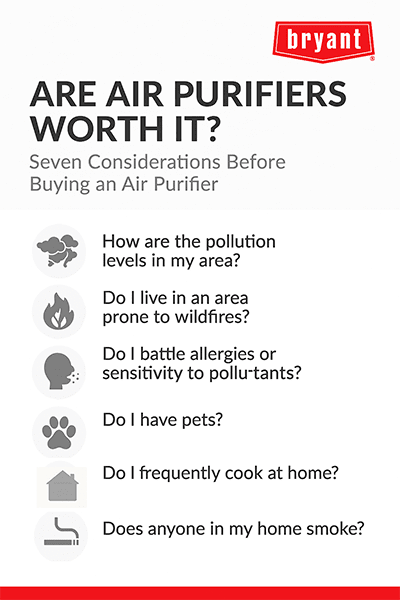
Before deciding to purchase an air purifier, it's crucial to assess your specific needs. Answering these questions will help you understand if the benefits of an air purifier align with your home environment and lifestyle.
1. What Are the Pollution Levels in My Area?
If you live in an area with high outdoor pollution from traffic or industry, an air purifier can significantly improve your indoor air. These pollutants can easily enter your home, triggering respiratory issues. A quality air purifier traps these particles, leading to cleaner, healthier air and providing relief from symptoms like coughing and sneezing.
2. Do I Live in an Area Prone to Wildfires?
For those in areas affected by wildfires, an air purifier is an essential tool. It can filter out fine smoke particles, which are extremely harmful to respiratory health. Continuous filtration creates a safer indoor environment for you and your family. Learn more about air purifiers for wildfire smoke.
3. Do I Have Allergies or Sensitivity to Pollutants?
A whole-home air purifier can provide significant relief for individuals with allergies. It filters out common allergens like dust mites, pet dander, pollen, and mold spores that accumulate in your home. By integrating with your HVAC system, it ensures clean air is circulated throughout every room. Discover the best air purifier for allergies.
4. Do I Own Pets?
Pets are a wonderful part of the family, but they also introduce dander, fur, and odors into the air. An air purifier is a smart investment for pet owners, as it captures these airborne particles, helping to reduce allergy symptoms and improve overall air freshness.
5. Do I Cook at Home Frequently?
Frequent cooking, especially frying or grilling, releases smoke, grease, and strong odors that can linger and reduce air quality. An air purifier helps capture these particles and eliminate unwanted cooking smells, complementing your kitchen's ventilation system for a fresher home.

6. Does Anyone in My Home Smoke?
Cigarette smoke contains thousands of harmful chemicals that remain in the air long after smoking has stopped. An air purifier equipped with an activated carbon filter, like Bryant's Carbon Air Purifier with UV iis highly effective at capturing smoke particles and removing associated odors and volatile organic compounds (VOCs).. Learn more about do air purifiers help with smell.
7. Is the Investment Worth the Cost for Me?
After asking yourself the above questions, you can weigh the benefits of air purifiers versus the cost. While there is an upfront investment and ongoing maintenance (like filter replacements), the value of continuous, whole-home air filtration can be substantial for those who need it most.
Connect With A Bryant Dealer On Air Purifiers
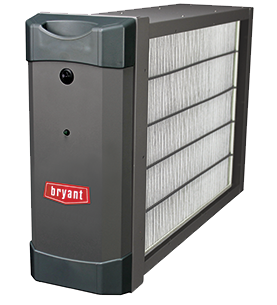
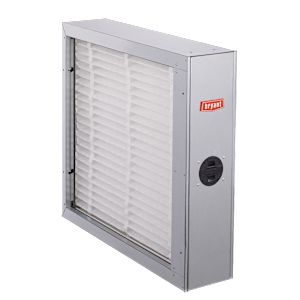
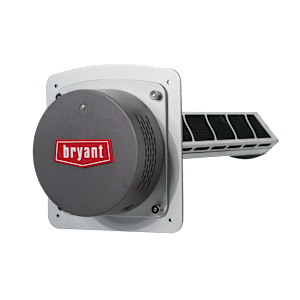
At Bryant, we offer a range of high-quality air purifiers designed to effectively remove allergens, improve respiratory health, and eliminate odors and harmful gases. Our air purifiers are equipped with advanced filtration systems and innovative technologies to ensure clean and fresh air in your home. Schedule an appointment with your local Bryant dealer to discuss whether a whole-home air purifier is a worthwhile investment for your home and get it installed by a trusted expert.
Compare Bryant Air Purifiers
Choose a Bryant air purifier for superior indoor air quality and a healthier home environment. With advanced filtration technology, Bryant air purifiers effectively capture dust, allergens, pet dander, and airborne particles, helping to reduce asthma and allergy symptoms. Their quiet operation and energy-efficient design make them an excellent choice for maintaining clean, fresh air year-round. Easy to integrate with Bryant heating and cooling systems, these air purifiers ensure optimal comfort and cleaner air for your family.
Do Air Purifiers Work FAQs
Yes, air purifiers can help make a difference by removing airborne particles like dust, pollen, pet dander, and smoke, which can help improve indoor air quality.
Air purifiers are effective when equipped with HEPA filters and used correctly, especially in enclosed spaces, helping reduce airborne pollutants and allergens.
A negative of air purifiers is ongoing filter replacement costs to keep the air purifier running effectively.
Common signs include stale odors, visible dust buildup, humidity imbalance, or increased allergy-like irritation. A whole-home air purifier can help reduce airborne particles and improve comfort.
Learn More
- Explore air purifier for mold options
- Learn all about what does an air purifier do
- Find out how to choose an air purifier for dust
- Read our guide on the best air purifier for allergies
- Learn the importance of MERV rating


